
Heritage Series — Meski · Dubai · Sharjah
The Queen of Sheba:
The Woman Who Was Never Named
She ruled the richest kingdom on earth. Three sacred texts speak of her. Millions carry her name — بلقيس, Bilqis, Balkis, Makeda. And yet the oldest of those texts — the one that made her immortal — never once wrote it down.
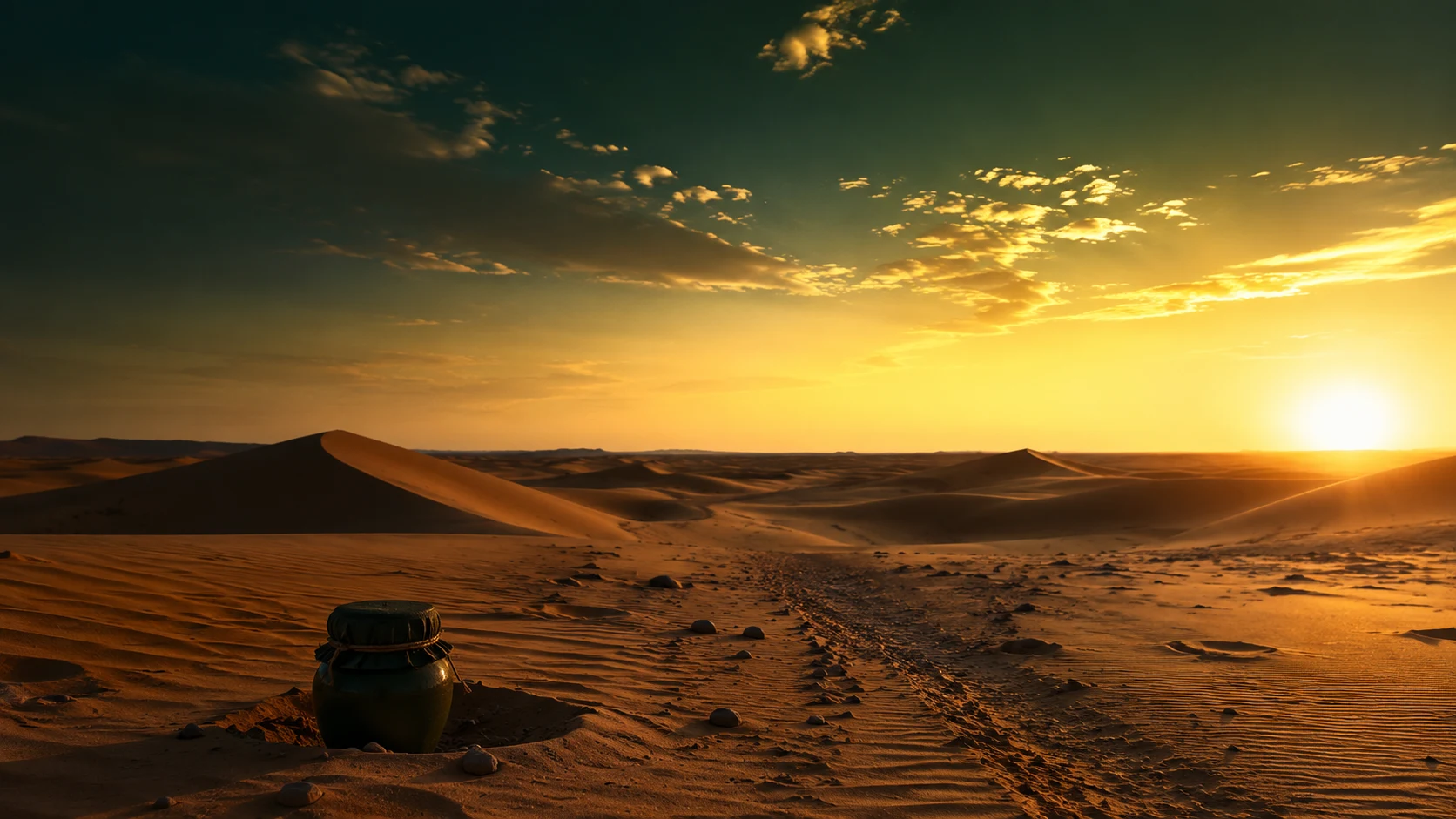
Three thousand years ago, somewhere in the mountains of what we now call Yemen, a woman sat on a throne described as magnificent even by the standards of kings who had seen everything. Her kingdom — سبأ, Saba, Sheba — controlled the most lucrative trade routes on earth. Gold moved through her territory. Frankincense. Myrrh. Spices that changed the course of civilisations. And honey — a dark, dense, extraordinary honey from trees that still grow in those same mountains today, still producing the same nectar that the ancient world called priceless. Her story is in the Bible. In the Quran. In Ethiopian royal chronicles. Everyone knows her. No one, it turns out, knows her name.
A Kingdom Built on What the World Could Not Live Without
To understand who the Queen of Sheba was, you first have to understand where she ruled. The Kingdom of Saba — identified by modern archaeology as centred around the ancient city of Marib in present-day Yemen — was not merely a prosperous state. It was the control point for something the ancient world depended on with an intensity we can barely imagine today: incense.
Frankincense and myrrh grew almost exclusively in the territories controlled by Saba and its neighbours. Every gram that reached Egypt, Greece, Persia, or Israel passed through Sabaean hands. Among those caravans, gold. Jewels. Exotic animals. Textiles. And, sealed in ceramic jars protected from the desert heat, something else — the honey of the Sidr tree. عسل السدر. Dark, dense, extraordinarily aromatic — produced by bees feeding exclusively on the blossoms of a tree that flowers for a few weeks each year and then closes again, as if guarding what it gives.
3,000
Years since the Kingdom of Saba controlled the world’s most valuable trade routes — through the same mountains where عسل السدر is still harvested today
She Brought Gold to a King Who Already Had Everything
The story of her visit to King Solomon — سليمان — appears in the Hebrew Bible, in the Quran, and in the Ethiopian Kebra Nagast. In each version, the same core narrative holds: a queen of extraordinary intelligence hears of a king of extraordinary wisdom, and decides she must test him herself.
She does not arrive quietly. She comes at the head of a camel caravan bearing gold, jewels, and spices — a diplomatic mission from one superpower to another, a display of wealth calculated to communicate exactly what Saba was and what it was worth.
What she carried was a message encoded in cargo. Gold said: we have wealth beyond counting. Spices said: we control what you cannot live without. And the honey — if the Sabaean merchants brought what their mountain beekeepers produced — said something more intimate: taste this, and understand what grows in our land that grows nowhere else on earth.
She arrived with a caravan of gold and spices. What she carried in sealed ceramic jars, protected from the desert heat, was something the ancient world had no synthetic substitute for. It still does not.
The Land That Still Produces It
Here is what makes this story more than mythology: the geography has not moved. The mountains of Yemen where شجرة السدر — Ziziphus spina-christi — grows in the wild are the same mountains that formed the heartland of Saba. Marib sits in the Sarawat mountain range. The same soil. The same altitude. The same brief flowering season.
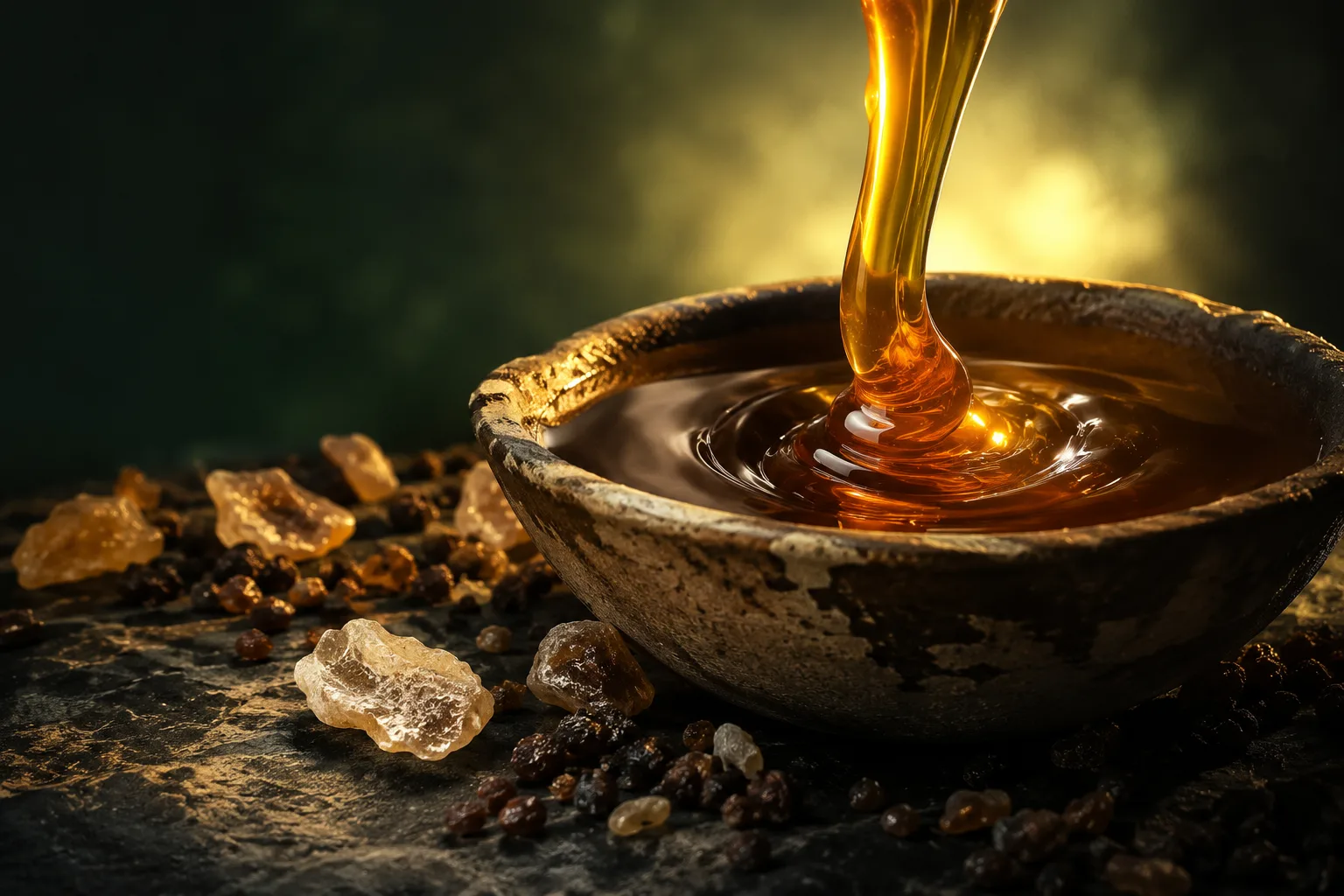
And the same tree grows today in the Hatta mountains on the border between Dubai and Oman, 105 kilometres from the city that was not yet a city when Saba was already an empire. The honey from those Hatta trees received recognition at the London Honey Awards in 2022. Three thousand years of history, tasted by a panel of judges in London, who did not need to know the story to understand that something in the jar was worth their full attention.
Her Name: A Mystery That Three Religions Share
The Queen of Sheba is one of the most famous women in human history. She appears in three sacred texts and has been painted, sculpted, filmed, and written about for three millennia. And yet the oldest of those texts — the ones that made her a figure of global significance — never once record her name.
The Bible calls her simply “the Queen of Sheba.” The Quran describes her in detail — her wisdom, her throne, her people, her conversion — and never names her. It is the Islamic commentators, writing centuries after the Quran’s revelation, who give her the name we know: بلقيس — Bilqis in classical Arabic, Balqees in the Gulf dialect. Al-Hassan Al-Basri identifies her as Bilqis bint Sharahil. Ibn Kathir records the name. But neither found it in the Quran. They found it in earlier traditions, in the accumulated memory of a civilisation that remembered her long before anyone thought to write her down.
For the full account of where the name Bilqis comes from — read our Arabic companion article.
Questions About the Queen of Sheba
The Queen of Sheba ruled the ancient kingdom of Saba — سبأ — believed by modern archaeologists to have been centred around Marib in present-day Yemen. The kingdom controlled the frankincense and myrrh trade routes that connected South Arabia to the Mediterranean, making it one of the wealthiest states of the ancient world. Her visit to King Solomon is recorded in the Hebrew Bible, the Quran, and Ethiopian tradition.
The Kingdom of Saba occupied the same mountains of Yemen where عسل السدر — Sidr honey — has been produced for thousands of years. The Sabaean caravans that carried frankincense, gold, and spices passed through the same valleys where wild Sidr trees flower briefly each year. The same honey is still harvested in those mountains today — and from the Sidr trees of Hatta, at the border of the UAE and Oman, where the same tree grows in the same type of mountain terrain.
The name Bilqis or Balqees does not appear in the Quran, which describes her without naming her. The name comes from Islamic scholarly tradition — Al-Hassan Al-Basri and Ibn Kathir among others identify her as Bilqis bint Sharahil in their commentaries. Some linguists trace the name to ancient South Arabian roots meaning “sovereign” or “the one who possesses.” Our Arabic article on the name Bilqis explores this in detail.
More than most people realise. The founder of the UAE, Sheikh Zayed bin Sultan Al Nahyan, is reportedly descended from families that migrated from the Marib region — the ancient capital of Saba — to what is now the UAE. He also personally financed the reconstruction of the Marib Dam in 1984. The Sidr tree, which produces the honey most closely associated with the heritage of Saba, grows today in the Hatta mountains on the border of Dubai and Oman — the same species, the same terrain, an unbroken botanical line between ancient Saba and modern Emirates.
According to the biblical account, she arrived with gold, precious stones, and spices in extraordinary quantities. The Islamic narrative in the Quran describes her as sending gifts to Solomon as a diplomatic test — to determine whether he was a political king or a true prophet. Solomon refused her gifts, which in the Quranic account demonstrated the superiority of divine purpose over material wealth.
Because its prestige was never invented by marketing. The Sidr tree — شجرة السدر, Ziziphus spina-christi — is mentioned in the Quran, documented in ancient Egyptian medical texts, and has been prized along Arabian trade routes for three millennia. Its honey is genuinely rare — the tree blooms briefly, in specific mountain terrain, with bees that cannot be mass-managed. When buyers in Dubai or Abu Dhabi pay premium prices for authentic عسل السدر, they are not paying for a brand. They are paying for something that was already considered priceless before the word “brand” existed.
The Same Honey. The Same Mountains.
The Sidr trees of Hatta — 105 kilometres from Dubai, on the border the Emirates shares with Oman — produce a honey that received recognition at the London Honey Awards in 2022. The same species. The same ancient terrain. Three thousand years of history in a jar that fits in your hand.
Explore the range