
A complete, evidence-based guide to what cricketers should eat and drink before, during and after a match — including the honest role of honey, dates, bananas and sports drinks across T20, ODI and Test formats.
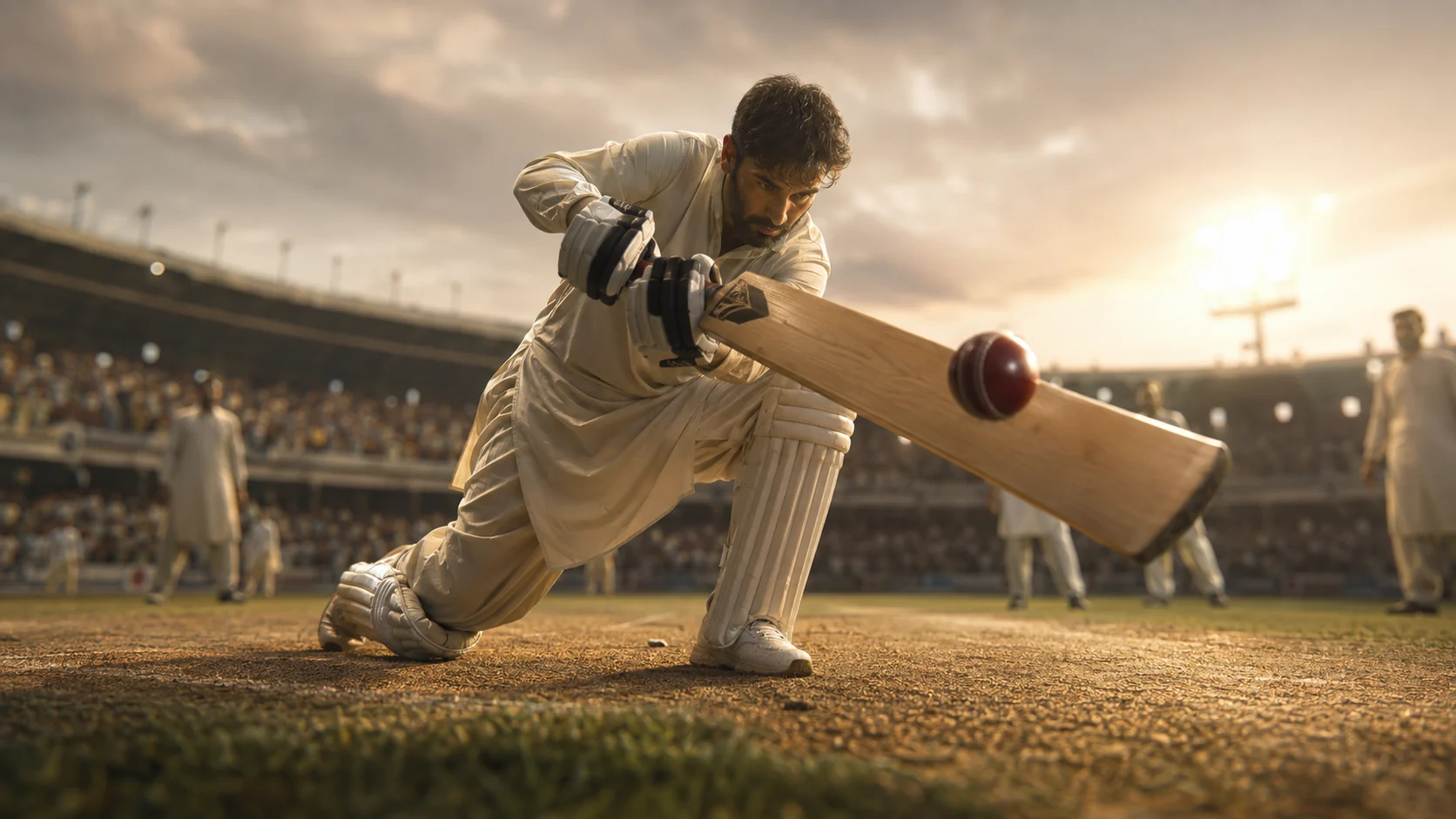
What should cricketers eat during a match? The short answer is that carbohydrate-rich foods — real food or formulated sports products — are the central need. Honey and dates can both contribute useful carbohydrates. Neither replaces a complete match-day nutrition plan. The rest of this guide explains why, how and when.
Why Is Cricket Nutrition Different from Football Nutrition?
Football, rugby and basketball share a relatively continuous physical rhythm. Players work hard, rest briefly, repeat. The demands — though variable — follow a broadly predictable pattern across ninety minutes.
Cricket is different in almost every respect. Depending on your role and the format, you may:
- Bat for two hours without leaving the crease.
- Bowl six balls, walk back thirty metres, wait two minutes, bowl again — for twenty consecutive overs across a morning session.
- Field in the deep for six hours across a Test day, largely stationary but occasionally sprinting full speed.
- Sit padded up in a dressing room for four hours, then face the first ball under immediate pressure.
Research on the physical demands of cricket (published through sources including the Journal of Strength and Conditioning Research and the International Journal of Cricket Science) confirms that different playing positions place very different loads on the body. Fast bowlers show higher heart rates and anaerobic demands during their spells. Batters face sustained concentration demands with intermittent physical bursts. Fielders may cover five to eight kilometres across a day, mostly at low intensity but punctuated by explosive movements.
A study examining core temperatures in elite cricket players during Australian summer conditions (published in PMC, 2019) found that significant fluid losses occurred under match conditions, particularly for fielders, increasing the risk of heat-related illness.
The consequence of this variety is that there is no single cricket nutrition protocol that fits all players, all formats and all conditions. What follows is a set of principles and practical examples to help cricketers think clearly about their individual needs.
What Should a Cricketer Eat Before a Match?
The pre-match meal is probably the most important nutritional decision of the day. Food eaten at this stage determines whether your glycogen stores — the muscles’ primary fuel reservoir — are well stocked before play begins.
Established sports nutrition guidance (including the International Society of Sports Nutrition position stand on nutrient timing, and guidance from Better Health Victoria based on Burke & Deakin’s Clinical Sports Nutrition) recommends:
- A carbohydrate-rich meal three to four hours before the start of play.
- A lighter carbohydrate snack one to two hours before, if the interval permits.
- Around 400–500 ml of fluid in the two to four hours before play to begin the match in a hydrated state.
Suitable pre-match meals include oats or porridge, rice, pasta, bread with moderate protein (eggs, chicken, fish), and fresh fruit. The meal should be relatively low in fat and fibre to reduce the risk of digestive discomfort during play.
What Should Cricketers Eat During Breaks?
Cricket’s structure provides natural feeding opportunities that most other team sports do not offer. This is both an advantage and a responsibility.
In T20 cricket, the only formal break is the innings change. Drinks come onto the field roughly every ten overs. The window to eat is very brief — a small snack, easily digested, is the realistic option.
In ODI matches, each innings runs approximately three hours. Innings breaks offer a genuine meal opportunity. Drinks breaks occur every ten overs and allow something small.
In Test cricket, the day is organised around three formal sessions separated by lunch (usually forty minutes) and tea (usually twenty minutes). These are real meals. Tea typically offers lighter options — sandwiches, fruit, yoghurt and snacks.
The practical priority during breaks is:
- Replace fluids first. Rehydrate before considering solid food.
- Consume easily digested carbohydrates. Not heavy proteins or fried foods during a short break.
- Avoid excessive fibre or fat during brief stoppages. These slow digestion and can cause discomfort when you return to the field.
- At longer breaks (lunch in Test cricket), a more complete meal is appropriate — moderate carbohydrates, moderate protein, vegetables.
During drinks intervals on the field
You have only one or two minutes to eat and drink. This is where small, portable snacks earn their place: a date or two, a piece of banana, a gel, a small drink. Nothing that requires chewing at length or that risks digestive discomfort.
Is Honey Good for Cricket Players?
Honey is primarily a source of carbohydrates. It contains glucose and fructose in approximately equal proportions, with glucose providing more immediate energy and fructose absorbed through a different intestinal pathway. This dual-sugar profile is the same mechanism behind many commercially formulated sports drinks and gels.
A systematic review published in PMC (2019, Honey Supplementation and Exercise) found that honey may perform comparably to commercial carbohydrate sources in some exercise settings. The evidence suggests it may support performance when used as part of a structured fuelling strategy, rather than as a standalone intervention.
A doctoral thesis from the University of White Rose (Peter Mitchell, 2020) examined the physiological and performance effects of honey across multiple studies and found measurable increases in blood glucose — suggesting useful carbohydrate delivery — though results were variable depending on concentration, timing and exercise type.
A more recent review published in The Conversation (2024) noted that honey used before and during football training did not outperform a carbohydrate-matched commercial sports drink — and that, in that specific study, neither intervention improved performance over water alone. The authors observed this might reflect the limited feeding windows available in team sport settings.
What does this mean in practice? Honey provides genuine, useful carbohydrates. Whether those carbohydrates arrive from honey, a date, a banana or a sports gel is largely a secondary question. The primary question is whether you are consuming enough carbohydrate, at the right moments, in a concentration your digestive system can handle during physical effort.
Important
Honey does not prevent exhaustion, sharpen concentration automatically, replace electrolytes lost through sweat, or outperform a properly formulated sports nutrition product. What it can do is deliver carbohydrate in a form many players find palatable and easy to carry. This article does not constitute dietary or medical advice.
Can Honey Provide Quick Energy During Cricket?
Yes — with qualifications that matter.
Honey’s glucose component enters the bloodstream relatively quickly, raising blood sugar and making fuel available for working muscles. The fructose component is absorbed more slowly through a different gut transporter. The combined effect may sustain carbohydrate delivery over a longer window than pure glucose alone.
Concentration matters. A solution containing more than approximately eight to ten percent carbohydrate can slow gastric emptying and increase the risk of digestive discomfort during physical activity. A spoonful of honey stirred into water produces a relatively mild concentration. Taking honey directly from a sachet or spoon in volume risks being too concentrated for comfortable digestion mid-match.
Timing matters. If a cricketer is waiting to bat for four hours, a small carbohydrate snack including honey may help maintain blood sugar during that wait. Honey in a practical form — a small sachet, diluted in water, or as part of a food — can work in those circumstances.
Used sensibly, honey is a legitimate carbohydrate source with a reasonable evidence base. Used carelessly, it is simply sugar without the broader nutritional context a match demands.
Are Dates a Practical Cricket Snack?
Dates have been eaten before physical effort in the Gulf, the Levant and North Africa for centuries. The modern sports nutrition question is whether that tradition reflects something physiologically useful — and the answer, with nuance, is yes.
A single Medjool date (approximately 24 grams) contains around 18 grams of carbohydrate, of which roughly 16 grams are natural sugars (glucose and fructose). Their glycaemic index, measured by the University of Sydney Glycaemic Index Research Service, averages around 54 — placing them in the low-to-medium range. Their glycaemic load for a five-date serving is approximately 9, indicating a moderate effect on blood sugar.
For cricketers, dates offer several genuine advantages:
- They are shelf-stable at room temperature for weeks (though Medjool dates prefer refrigeration for longer storage).
- They are naturally portable and require no packaging beyond a small bag or container.
- They contain small amounts of potassium (around 167 mg per Medjool date) — relevant though not sufficient as a sole electrolyte source.
- They provide fibre alongside sugar, which moderates absorption slightly — helpful for sustained energy.
Their limitation as a mid-match snack is precisely that fibre. In small quantities — two or three dates at a drinks break — this is unlikely to cause discomfort. In larger quantities on a hot day after significant fluid loss, some players may find dates harder to digest than a sports gel or diluted honey solution.
Electrolyte reminder
Dates are not a source of sodium or other electrolytes in meaningful quantities. They cannot replace what sweat removes. A cricketer eating only dates and drinking only water in the Gulf heat will still require sodium replenishment — whether from food across the day or from an appropriate sports drink.
Honey, Dates, Banana or Sports Drink: Which Is Most Practical?
There is no single winner in this comparison. The right choice depends on the match format, the heat, what a player can comfortably digest, and what is practically available. The table below is a general guide — not a medical or performance prescription.
Comparison Table: Natural Foods vs. Sports Drinks for Cricket
| Option | Carbohydrate per serving | Speed of availability | Electrolytes? | Portability | Digestibility during play | Practical format |
|---|---|---|---|---|---|---|
| Honey (1 tablespoon, ~21g) | ~17g (glucose + fructose) | Moderate–fast | Negligible | Good (sachet), messy (jar) | Good when diluted; may irritate concentrated | Pre-match, breaks; dilute in water |
| Dates (3 Medjool dates, ~72g) | ~54g total; ~48g available | Moderate (fibre slows) | Small potassium | Excellent | Good in small quantities | Pre-match, short breaks |
| Banana (1 medium, ~120g) | ~25–27g | Moderate | Good potassium | Good (fragile in kit bags) | Very good | Pre-match, lunch break |
| Sports drink (500ml typical) | ~30–35g (6–8% solution) | Fast (liquid form) | Sodium + potassium formulated | Excellent | Excellent; formulated for exercise | During play; drinks breaks; hot conditions |
| Energy gel (1 sachet) | ~22–25g | Fast | Some sodium in formulations | Excellent | Needs water alongside; variable tolerance | During drinks breaks, T20 |
| White bread sandwich | ~30–40g (2 slices) | Moderate | Some sodium from bread | Good (wrapped) | Good; easy to eat quickly | Lunch or tea break |
A rare, single-origin honey carries genuine provenance, craftsmanship and flavour worth appreciating thoughtfully. But the body does not read the label while you are running between wickets. It reads glucose. The appreciation of fine honey belongs at the breakfast table, at leisure, with good bread and conversation — not measured against the urgency of a drinks break on a forty-degree afternoon.
Does Nutrition Change Between T20, ODI and Test Cricket?
Considerably. The format shapes the duration of physical effort, the number of feeding opportunities, the digestive recovery time between sessions, and the cumulative dehydration risk.
Format Nutrition Table
| Format | Typical duration | Main nutrition challenge | Practical food approach | Hydration consideration |
|---|---|---|---|---|
| T20 | 3–4 hours total | High-intensity bursts; very limited eating time | Strong pre-match meal; small snacks during innings break; prioritise liquid carbohydrates if eating time is insufficient | Pre-hydration critical; sports drink useful for combined carbohydrate and electrolyte delivery |
| ODI | 7–8 hours (two innings) | Sustained effort across both innings; maintaining energy over a full day | Pre-match meal; innings break allows a genuine meal; dates/banana/sandwich useful at drinks breaks during fielding | Fluid losses accumulate; sodium replacement increasingly important in hot conditions |
| Test (each day) | 6–7 hours of play per day, up to 5 days | Multi-day energy management; glycogen recovery overnight; cumulative dehydration | Structured meals at lunch and tea; evening meal focused on carbohydrate replenishment and protein for muscle repair | Daily rehydration essential; electrolyte balance becomes critical especially in warm climates |
| Recreational / club cricket | Variable (3–8 hours) | Often under-fuelled; food safety if not properly chilled; variable fitness levels | Pre-match meal; bring a prepared snack box; do not rely on ground facilities | Water access may be irregular; bring enough fluid; in hot conditions, include an electrolyte source |
Recreational cricketers are frequently less physically conditioned than professionals, may stand in the field for longer relative to their fitness levels, and often lack the support infrastructure — team nutrition, physiotherapists, cooling protocols — that professional squads take for granted. Self-sufficiency matters more at club level, not less.
Is Honey Water Useful or Mainly an Internet Trend?
Honey water — honey dissolved in water, sometimes with lemon or other additions — has circulated widely as a natural alternative to commercial sports drinks. The claim deserves honest examination.
What honey water contains: primarily water and the carbohydrates in honey — glucose, fructose and small amounts of other sugars. Honey itself also contains trace amounts of minerals, organic acids, enzymes and antioxidant compounds, though these are present in quantities that would require considerable daily honey intake to be nutritionally significant.
What it may provide: when dissolved at an appropriate concentration (approximately four to eight percent carbohydrate — roughly one to one and a half teaspoons of honey per 250 ml of water), it may deliver carbohydrates at a rate useful during moderate physical effort.
What it lacks: sodium. This is the central limitation. During sustained exercise — particularly in heat — the body loses sodium through sweat. Sodium loss drives thirst, governs fluid retention and, in significant quantities, impairs muscle function. A formulated sports drink contains sodium (and typically potassium) in proportions designed specifically to replace sweat losses. Honey water contains essentially none.
In the Honey Supplementation and Exercise systematic review (PMC, 2019), the authors specifically noted that when honey was provided in team sport settings where feeding windows were limited, the evidence for performance benefits over water alone was mixed.
Concentration and digestion also matter. A solution that is too sweet — more than ten percent carbohydrate — slows gastric emptying and can cause nausea or discomfort during exercise. Honey water prepared correctly (not too sweet, not too concentrated) is unlikely to cause this. Honey water prepared instinctively — a large spoonful in a small cup — may.
Cricket in UAE or Qatar Heat
Playing cricket in the Gulf introduces a layer of complexity that most standard cricket nutrition guides — written for English or Australian conditions — do not fully address.
Summer temperatures in Dubai, Abu Dhabi or Doha regularly exceed 40°C, with humidity that can make the effective felt temperature considerably higher. A research paper from the British Journal of Sports Medicine (2015, Consensus recommendations on training and competing in the heat, co-authored through Aspetar in Doha) established that exercise-heat acclimatisation is essential for athletes competing in such environments. It also confirmed that dehydration significantly elevates core temperature, and that replacing 150 percent of body mass losses with electrolyte-containing fluids after exercise is recommended when urgent rehydration is needed.
For cricketers in the Gulf, this creates several specific challenges:
Temperature and sun exposure. Players in the field spend hours in direct sunlight. Core temperature rises with physical exertion and with ambient heat simultaneously. This places particular demands on fielders, who may not be moving intensely enough to generate cooling through air movement but are losing fluid continuously through sweating and respiration.
Fluid access. Drinks breaks in professional cricket are regulated. Recreational players at club level in the UAE or Qatar may have irregular access to water. Bringing your own sufficient supply is not optional — it is essential. The PSL’s experience in Abu Dhabi, as reported by ESPNcricinfo, saw teams specifically incorporating coconut water alongside standard hydration strategies to maintain electrolyte balance in extreme heat.
Food storage and safety. Dates and bananas are naturally robust in heat and require no refrigeration for short periods. Sandwiches, dairy products, yoghurt or chicken can spoil quickly at 40°C. Recreational players should use a proper cool box with ice packs, and should avoid any food that has been left in direct sunlight or unrefrigerated for more than an hour or two.
Sticky foods. Honey in Gulf heat becomes genuinely problematic to manage. A jar is sticky, heavy and impractical in a kit bag in 40°C temperatures. Individual honey sachets are a more practical alternative if honey is preferred. Dates, however, manage the heat naturally.
Electrolyte needs. In normal temperate conditions, water and carbohydrate foods may be sufficient for most recreational cricketers. In Gulf heat, sodium losses through sweat can become significant even within a single session. Consider including a proper electrolyte drink or electrolyte tablet dissolved in water alongside plain water — not instead of it. Do not rely on honey water alone as your hydration strategy in high heat.
Water: 1.5–2 litres per player, chilled
The non-negotiable foundation of every match day. More in hot weather. Keep cold throughout.
One sports drink (500 ml) with sodium
For use during the match when sweat losses are accumulating, particularly in the second session.
Four to six dates in a sealed bag
Portable carbohydrate that handles heat naturally. Consume one or two at drinks breaks.
One or two bananas
Carbohydrate and potassium. Easy to eat quickly at the innings break or at lunch.
A simple sandwich, sealed and chilled
Not mayonnaise-heavy. Moderate protein and carbohydrate for the formal break. Check it has remained cold before eating.
A small ice pack or frozen water bottle
For cooling the neck or wrists during breaks. Not a nutrition item, but directly relevant to managing heat stress.
Heat illness warning
If you experience dizziness, confusion, stopped sweating or a very rapid heart rate, the appropriate response is never more carbohydrate. Move immediately to shade, take fluids and seek medical assistance. Do not delay.
What Should a Cricketer Eat After the Match?
Recovery nutrition is often neglected, particularly at recreational level where the post-match discussion moves quickly to the journey home. This is a missed opportunity.
Sports nutrition research (including the International Society of Sports Nutrition position stand on nutrient timing and the systematic review in PMC, 2023) consistently supports consuming carbohydrates and protein in the period following exercise to:
- Replenish depleted muscle glycogen stores, ideally beginning within thirty to sixty minutes of finishing play.
- Support muscle repair, particularly relevant for fast bowlers who place high mechanical loads on their bodies.
- Restore fluid and electrolyte balance following the day’s sweat losses.
For most recreational cricketers, this does not require a specialised product. A meal containing carbohydrates and protein within an hour or two of finishing play — rice with grilled chicken, pasta, eggs on toast — achieves the same goal.
Rehydration should continue after the match. If you weigh yourself before and after a match day, a significant loss (more than one to two percent of body weight) suggests inadequate fluid replacement during play. Replace this gradually over the following hours with water and, where needed, something that also contains sodium — not simply plain water in rapid volume.
Honey has a reasonable basis as a post-exercise carbohydrate. A 2024 study in Frontiers in Physiology found that a honey-sweetened beverage may have contributed to reduced markers of muscle soreness and supported recovery performance in strength-trained participants, though the authors appropriately noted the need for further research before drawing firm conclusions. This is an area of genuine scientific interest — not proven certainty, but not dismissible either.
A Simple Match-Day Cricket Snack Box
The following is a general practical example for a recreational or club cricketer preparing a snack box for a full-day match. It is not a personalised performance plan. Individual needs vary by body weight, fitness level, playing role, temperature and health conditions. Those with specific health concerns or performance goals should consult a qualified sports dietitian.
- Dates (4–6 Medjool or equivalent): portable carbohydrate source; consume one or two at drinks breaks during fielding or while waiting to bat.
- One or two bananas: carbohydrate with potassium; easy to eat quickly; good at the innings break or at lunch.
- A simple sandwich: white or wholegrain bread with chicken, tuna, eggs or cheese; suitable for the lunch or tea interval rather than the brief drinks break.
- Yoghurt (small pot, safely chilled): protein and carbohydrate; particularly useful as a recovery snack after play. Only include if reliably refrigerated — do not eat warm yoghurt that has been sitting in the sun.
- One honey sachet or small measured portion: can be stirred into water at a drinks break (approximately one level teaspoon per 250 ml) or spread on bread at a formal interval.
- Water (at least 1.5 litres): the non-negotiable foundation of every match day. More in hot weather.
- One sports drink or electrolyte tablet dissolved in water: particularly important during the second half of a long match, in heat, or if food intake has been low.
The goal of this box is not culinary ambition. It is reliable, practical fuel prepared in advance so that when the drinks break arrives and there are forty-five seconds before you need to return to the field, the right food is already in your hand.
Frequently Asked Questions About Cricket Nutrition
Honey can be a useful carbohydrate source for cricketers. It contains glucose and fructose in roughly equal parts, which together may help maintain blood sugar during a long match. Research suggests it may perform comparably to commercial sports carbohydrates in some contexts. However, it does not replace electrolytes, does not automatically outperform a properly formulated sports drink, and works best when used as part of a complete match-day nutrition strategy rather than as a single solution.
During a long match, cricketers should focus on carbohydrate-rich, easy-to-digest options at breaks: dates, bananas, sandwiches, sports drinks and gels are all practical. At formal lunch and tea intervals in Test cricket, a more complete meal with moderate protein and carbohydrate is appropriate. Hydration — ideally including sodium from food or a sports drink — is as important as solid food.
Yes, in modest quantities. Two to four dates at a drinks break or before a session provide practical carbohydrate, a small amount of potassium, and no significant digestive risk. Their fibre content moderates sugar absorption slightly, which is useful for sustained energy. They are shelf-stable and portable, making them ideal for club and amateur cricketers. They are not a complete hydration or electrolyte solution.
During the brief drinks breaks that occur during play (typically every ten overs), cricketers have only one to two minutes to eat and drink. The most practical options are fluids (water, sports drink), a date or two, a piece of banana, or a small energy gel. Solid foods requiring prolonged chewing or carrying a high fat or fibre load are generally avoided during play.
Honey dissolved in water at an appropriate concentration (roughly one to two teaspoons per 250–300 ml) can provide useful carbohydrates during moderate physical effort and is unlikely to cause digestive problems in that form. Its limitation is the absence of sodium, which is lost through sweat and becomes increasingly important in longer matches and hot conditions. Honey water is a reasonable option when a commercial sports drink is unavailable or unpreferred, but it is not a complete replacement for an electrolyte-containing drink in high-heat cricket.
If you are opening the batting, your pre-match meal three to four hours earlier is your primary fuel. If you are batting lower in the order and have been waiting, a small snack — two dates, a piece of banana, or a slice of bread — one to two hours before your likely turn may help maintain blood sugar. Avoid large meals immediately before batting, as these can cause discomfort during the physical effort of running between wickets.
Fast bowling places high anaerobic and mechanical demands on the body — particularly during spells. Fast bowlers should ensure their pre-match carbohydrate intake is solid, use drinks breaks to consume small amounts of easily digested carbohydrate (liquid carbohydrates or small snacks), and pay particular attention to post-match recovery nutrition including both carbohydrate and protein. In hot conditions, fluid and sodium replenishment is a priority even between bowling spells.
The most important strategy is pre-hydration — beginning the match already well hydrated. During play, regular fluid intake at every drinks break is essential. In Gulf or subcontinent heat, an electrolyte drink or sodium-containing foods should accompany water to prevent dangerous over-dilution from water alone. Shade during drinks breaks, cooling towels or neck wraps, and appropriately light meals that do not burden digestion all contribute. Carbohydrate intake should continue through the day via small, easily consumed snacks at each break.
In T20 cricket, eating time is minimal. The most practical snack is one that provides carbohydrate quickly in a form requiring minimal chewing and no preparation: two or three dates, a banana half, a sports gel with water, or a measured honey diluted in a sports bottle. The innings break is the only real feeding window, so a slightly larger snack or mini-meal — bread with chicken, a banana, a yoghurt — is appropriate then.
Within thirty to sixty minutes of finishing, aim for a meal or snack combining carbohydrates and protein: rice with chicken or fish, eggs on toast, pasta, or a protein shake with a banana. Continue drinking water — with some sodium from food if sweat losses were significant — over the following hours. A small amount of honey may be included in post-match food as a carbohydrate source; some early research suggests it may support recovery, though this area is still developing scientifically. The most important thing is to eat something soon rather than wait until much later in the evening.
Sources and References
- Nutrition X / Derbyshire CCC: Carbohydrates and Cricket — What Are the Need-to-Knows? nutritionx.co.uk (consulted 2026)
- Burke L, Deakin V, Mineham M (2021). Clinical Sports Nutrition, 6th ed. McGraw-Hill, Sydney.
- Kerksick et al. (2017). International Society of Sports Nutrition position stand: Nutrient timing. Journal of the International Society of Sports Nutrition. PMC5596471.
- Maughan RJ et al. (2018). IOC consensus statement: dietary supplements and the high-performance athlete. British Journal of Sports Medicine.
- Racinais S et al. (2015). Consensus recommendations on training and competing in the heat. British Journal of Sports Medicine. PMC4602249.
- Mitchell P (2020). The Physiological and Performance Effects of Honey Consumption in Sport and Exercise Settings. University of White Rose doctoral thesis.
- Yusof A (2018). Effects of honey on exercise performance and health components: A systematic review. Science & Sports. Elsevier BV.
- PMC (2019). Honey Supplementation and Exercise: A Systematic Review. PMC6683082.
- Frontiers in Physiology (2024). Effect of a honey-sweetened beverage on muscle soreness and recovery. doi:10.3389/fphys.2024.1426872.
- University of Sydney Glycaemic Index Research Service / glycemicindex.com: Dates entry.
- Goswami A & Kumar P (2019). Energy system demands in sub-continental cricket. Asian Journal of Exercise Science, 14(2).
- PMC (2019). Core Temperature Responses in Elite Cricket Players during Australian Summer Conditions. PMC6315969.
- Better Health Victoria: Sporting performance and food. betterhealth.vic.gov.au.
- PMC (2023). Athletes’ nutritional demands: a narrative review. PMC10848936.
- Springer (2025). Nutritional Strategies to Improve Post-exercise Recovery. doi:10.1007/s40279-025-02213-6.
- ESPNcricinfo: Coconut water, ice collars — how the PSL plans to beat the Abu Dhabi heat. cricinfo.com.
Editorial disclaimer
This article is written for general educational and informational purposes. It does not constitute personalised medical, nutritional or sports performance advice. Cricketers with specific health conditions, performance goals or dietary requirements should consult a qualified sports dietitian or medical professional. Food safety guidance (particularly regarding chilled foods in hot conditions) should always be followed.
Cricket has always been a patient game. It rewards preparation, composure and the willingness to think ahead — qualities that describe good nutrition just as well as they describe a careful innings. Whether you are opening the batting at Lord’s, fielding at cover point in Dubai at midday, or carrying your kit bag to a club match on a warm Saturday afternoon, the principles are the same: eat before the need arrives, drink before the thirst tells you to, and carry the right things in the right bag.
The dates and the honey are not there to impress anyone. They are there because they work, because they have always been carried on long journeys through heat, and because the body — running, concentrating, enduring — knows only one question when food arrives: can I use this now?
Prepare well. Play with confidence. Recover wisely.
Discover the Raw Honeys of The House of Meski
If honey earned its place in your match-day kit, it is worth knowing where it comes from. At The House of Meski, every honey is single-origin, raw and traceable — from the Arabian Peninsula and beyond. Appreciated best at the breakfast table, in good company, long after the final over.