
Discover nutrient-rich foods that naturally support energy, concentration and physical performance — rooted in both modern nutrition science and centuries of Gulf culinary wisdom.
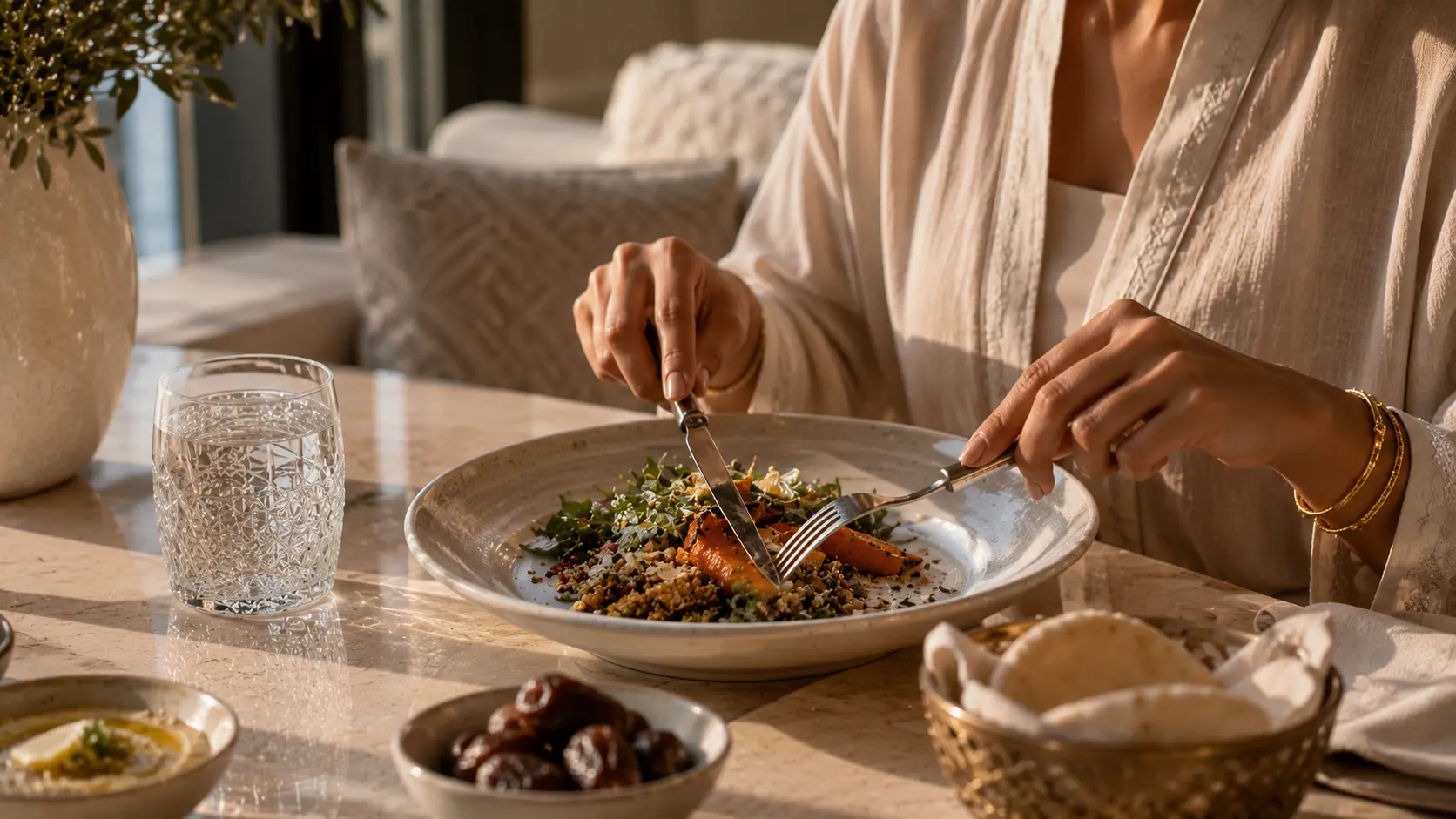
The foods you choose each day are the architecture of your energy, attention and stamina. From dates revered across the Arabian Peninsula to cold-pressed olive oil from ancient groves, this guide explores the finest natural foods that boost energy — drawing on contemporary nutritional research and the time-honoured wisdom of Gulf culinary heritage.
Why What You Eat Defines How You Feel
There is a quiet wisdom embedded in traditional Gulf hospitality — the offering of dates and raw honey at the start of a meal, long before modern nutrition had words for glycaemic index or sustained energy release. For centuries, the people of the Arabian Peninsula understood intuitively what science now confirms: the foods you choose are not merely fuel. They are the architecture of your attention, your stamina, and your sense of aliveness throughout the day.
In a world saturated with caffeine shots, energy drinks and ultra-processed snacks promising instant vitality, the most powerful answer to daily fatigue remains remarkably simple — and it begins in the kitchen. This guide explores the finest natural foods that support lasting energy, sharper concentration and genuine physical performance, drawing on both contemporary nutritional research and the time-honoured wisdom of the region’s culinary heritage.
Why Nutrition Is Your Best Energy Source
The Role of Macronutrients in Daily Energy
Your body runs on three primary macronutrients: carbohydrates, proteins and fats. Each plays a distinct and irreplaceable role in energy metabolism. Complex carbohydrates — found in whole grains, legumes and certain fruits — break down gradually, providing a slow, steady stream of glucose to fuel both the brain and the muscles. Proteins, obtained from eggs, fish, nuts and legumes, support cellular repair and neurotransmitter synthesis, sustaining both physical performance and mental clarity. Healthy fats, particularly the unsaturated varieties found in olive oil, avocados and oily fish, serve as a dense and durable energy reserve, releasing calories steadily and supporting the absorption of fat-soluble vitamins.
The key is not the abundance of any single macronutrient, but the intelligent balance between all three at each meal. Research consistently shows that meals combining lean protein, fibre-rich carbohydrates and quality fats produce the most stable energy curves throughout the day — without the peaks and troughs that leave you reaching for a second coffee by mid-morning.
Why Processed Foods Undermine Your Vitality
Ultra-processed foods — those engineered for maximum palatability through refined sugars, artificial additives and stripped-down carbohydrates — offer the illusion of energy. A sugar spike arrives fast and departs just as quickly, leaving behind a familiar crash: the heavy eyelids, the dulled concentration, the craving for more. Beyond the immediate slump, diets high in processed foods are associated with chronic low-grade inflammation, which is itself a significant driver of persistent fatigue. The body’s energy systems function most efficiently when fed whole, minimally processed ingredients — a principle as old as the souks of the Gulf and as current as the latest peer-reviewed literature.
Fruits That Naturally Increase Energy
Bananas, Dates and Apples: Nature’s Own Fuel
Few foods illustrate the elegance of natural energy as eloquently as the date palm. Revered across the Arabian Peninsula for millennia, dates (Phoenix dactylifera) are a rare combination of fast-releasing natural sugars — fructose and glucose — and dietary fibre, which moderates the pace of absorption and prevents an abrupt energy crash. Rich in potassium, magnesium, B vitamins and copper, dates have sustained desert travellers, traders and scholars for thousands of years. Modern nutritional analysis confirms what tradition long observed: dates provide readily available energy alongside meaningful micronutrient support, including B6 and folate, which contribute to normal energy-yielding metabolism.
Bananas share a similarly admirable nutritional profile — their fibre content slows the digestion of natural sugars, while their potassium supports muscle function and their modest vitamin B6 content contributes to neurotransmitter production. Apples, rich in flavonoid antioxidants, offer a gentler, longer-lasting energy contribution alongside meaningful fibre that feeds the gut microbiome — itself an emerging factor in overall vitality and mood stability.
Citrus and Berries: Vitamin C and Antioxidant Power
Oranges, kiwis, lemons and grapefruits are among the richest dietary sources of vitamin C — a micronutrient whose role in energy metabolism is frequently underestimated. Vitamin C is essential to the synthesis of carnitine, a molecule that transports fatty acids into the mitochondria for conversion into energy. Without adequate vitamin C, this process is compromised, and fatigue may follow. Berries — whether blueberries, pomegranate arils or the wild varieties found across the mountainous regions of the Arab world — offer concentrated anthocyanins and polyphenols that protect cells from oxidative stress and support sustained cognitive performance.
Dates — Phoenix dactylifera
Cultivated for over 5,000 years, dates from the Gulf’s palm groves provide natural sugars, fibre, potassium, magnesium and B vitamins. They remain the gold standard for immediate yet sustained natural energy — honoured in tradition and validated by modern nutrition science.
Raw Sidr Honey — Highland Monofloral
Harvested from the Ziziphus spina-christi tree in the highlands of Yemen and Oman, Sidr honey retains natural enzymes, trace minerals, amino acids and antioxidant compounds lost during commercial processing. Its dual glucose-fructose structure supports both immediate and sustained fuel release.
Extra-Virgin Olive Oil — Cold-Pressed
Cold-pressed from the first harvest, premium extra-virgin olive oil delivers monounsaturated fats, vitamin E and a remarkable density of polyphenols — antioxidant compounds associated with reduced inflammation and improved cardiovascular efficiency. A cornerstone of both Mediterranean and Arab culinary heritage.
Protein and Healthy Fats for Lasting Energy
Nuts, Seeds and Legumes
A small handful of almonds, walnuts or pumpkin seeds is one of the most efficient energy-sustaining snacks available. These foods combine protein, healthy unsaturated fats, magnesium and vitamin E in a compact, portable form — a combination that moderates blood sugar, supports muscle function and contributes to lasting satiety. Legumes — lentils, chickpeas, broad beans — are equally remarkable: slow-digesting, protein-dense and rich in iron and folate, they form the backbone of traditional Gulf and Levantine cuisine for reasons that go well beyond taste. Their fibre feeds beneficial gut bacteria, while their iron content supports oxygen transport in the blood — a fundamental mechanism of physical energy.
Eggs, Fatty Fish and Olive Oil
Eggs are among the most nutritionally complete whole foods available, delivering high-quality protein, B12, choline and healthy fats in a single, versatile package. They digest slowly and sustain energy well into the late morning when consumed at breakfast. Fatty fish — salmon, sardines, mackerel — provide omega-3 fatty acids (EPA and DHA), which support brain function, mood stability and cognitive performance. These healthy fats are calorie-dense in the most useful sense: they provide sustained fuel without blood sugar volatility.
Extra-virgin olive oil deserves a place of particular honour in any conversation about energy-sustaining nutrition. Cold-pressed from the first harvest, premium olive oil delivers monounsaturated fats, vitamin E and a remarkable density of polyphenols — antioxidant compounds associated with reduced inflammation and improved cardiovascular efficiency. In the culinary traditions of the Mediterranean and the broader Arab world, cold-pressed olive oil has always been more than a cooking medium: it is a daily act of nourishment, a bridge between the land and the table.
Vitamins and Minerals That Fight Fatigue
B Vitamins, Iron, Magnesium and Zinc
The B-vitamin family — B1 (thiamine), B2 (riboflavin), B3 (niacin), B5 (pantothenic acid), B6, B9 (folate) and B12 — plays a central and well-documented role in converting food into cellular energy. A 2020 narrative review published in Nutrients (PMC7019700) confirmed the biochemical necessity of these micronutrients across energy production, cognitive function and the management of both physical and mental fatigue. Deficiencies in any of them — particularly B12, which is found almost exclusively in animal products — can manifest as persistent tiredness, poor concentration and low mood.
Iron is equally critical: it is the core component of haemoglobin, the protein responsible for transporting oxygen through the bloodstream to muscles and organs. Low iron levels — even subclinical deficiency — can result in noticeable fatigue and reduced physical capacity. Magnesium participates in over 300 enzymatic reactions in the body, including those governing energy metabolism; it is found abundantly in leafy green vegetables, whole grains, nuts and — notably — in raw honey. Zinc supports immune function and cellular energy production, with good dietary sources including pumpkin seeds, legumes and animal proteins.
Vitamin D and Its Role in Energy Metabolism
Vitamin D, synthesised primarily through sun exposure and found in fatty fish, eggs and fortified foods, has long been associated with bone health. Emerging research now suggests it also plays a meaningful role in energy metabolism and in the management of fatigue — particularly relevant for those living and working in air-conditioned environments, where sun exposure may be limited despite the Gulf’s abundant sunlight. Ensuring adequate vitamin D status is one of the quieter but consequential dimensions of sustained daily vitality.
| Nutrient | Key Food Sources | Role in Energy |
|---|---|---|
| B Vitamins (B1–B12) | Eggs, fish, legumes, whole grains, raw honey | Converts food into cellular energy; supports cognitive function |
| Iron | Red meat, lentils, spinach, pumpkin seeds | Oxygen transport via haemoglobin; prevents fatigue |
| Magnesium | Leafy greens, nuts, whole grains, raw honey | 300+ enzymatic reactions; governs energy metabolism |
| Vitamin C | Citrus, kiwi, pomegranate, berries | Carnitine synthesis; fatty acid transport to mitochondria |
| Vitamin D | Fatty fish, eggs, fortified foods, sunlight | Emerging role in energy metabolism and fatigue management |
| Zinc | Pumpkin seeds, legumes, animal proteins | Immune function and cellular energy production |
Daily Habits That Support Natural Energy
Meal Timing and Hydration
The rhythm of eating matters as much as the content of the meals themselves. Eating smaller, more frequent meals — rather than two or three large ones — helps maintain stable blood glucose and prevents the mid-afternoon energy slump that is almost universal in sedentary lifestyles. Starting the day with a balanced breakfast that combines protein, fibre and quality fat sets the metabolic tone for hours ahead.
Hydration is the most underrated pillar of sustained energy. Water does not provide calories, but it is essential to virtually every energy-producing process in the body — from nutrient transport to temperature regulation to cellular respiration. Even mild dehydration — as little as 1–2% of body weight — can impair concentration, increase the perception of effort during physical activity and trigger fatigue. The Academy of Nutrition and Dietetics recommends approximately 3.7 litres of total water intake per day for men and 2.7 litres for women, including water from all food and beverage sources. In the warm climate of the Gulf, these needs are often higher.
Movement, Sleep and Mindful Eating
No dietary strategy operates in isolation. Regular physical movement — even a brisk 30-minute walk each day — improves mitochondrial efficiency, meaning the body becomes more adept at producing energy from the same inputs. Quality sleep of 7–9 hours allows for hormonal restoration, glycogen replenishment in the muscles, and the consolidation of learning and memory — all of which directly influence how energetic and focused you feel the following day.
Mindful eating — the practice of slowing down, chewing thoroughly and attending to hunger and satiety signals — also has a measurable impact on energy. Eating at pace, without distraction, improves digestion and nutrient absorption, and reduces the tendency to overeat in ways that divert blood flow to digestion and away from the brain and muscles. These are not abstract wellness concepts; they are physiological realities with practical consequences for how you move through your day.
Start with a balanced breakfast
Combine protein (eggs, labneh), fibre-rich carbohydrates (oats, whole grain bread) and a healthy fat (olive oil, nut butter) to stabilise blood glucose for the entire morning.
Hydrate before you feel thirsty
Begin with a full glass of water upon waking. In the Gulf climate, aim to exceed standard daily recommendations. Thirst is a late signal — consistent hydration is proactive energy management.
Choose a natural mid-afternoon snack
Two to three dates paired with a small handful of almonds or walnuts delivers natural sugars, fibre, healthy fats and minerals — sustaining energy without the crash of a processed alternative.
Prioritise 7–9 hours of quality sleep
No nutritional strategy substitutes for adequate sleep. Hormonal restoration, glycogen replenishment and cognitive consolidation all happen during rest — making sleep the foundation of every other energy habit.
Staying Energized Without Excess Sugar
Natural Sweeteners and Smarter Choices
One of the most effective shifts you can make toward sustained daily energy is replacing refined sugar with natural, whole-food alternatives that deliver sweetness alongside nutritional complexity. Raw honey is perhaps the most distinguished example. Unlike refined white sugar — which delivers pure glucose and nothing more — raw honey contains a unique dual-carbohydrate structure: glucose for immediate energy and fructose for a slower, more sustained release. Beyond its carbohydrate profile, raw honey at its finest — particularly monofloral varieties such as Yemeni Do’ani Sidr or Omani Sidr — retains natural enzymes, trace minerals, amino acids and antioxidant compounds that are eliminated by the heating and filtration processes applied to commercial honey.
Research in sports nutrition has demonstrated that raw honey performs comparably to commercial carbohydrate gels as a pre- and post-exercise fuel source — with the meaningful added benefit of its naturally occurring antioxidant compounds, which may help moderate exercise-induced oxidative stress. A teaspoon of high-quality raw honey dissolved in warm water, taken in the morning or before physical activity, is one of the most time-honoured energy practices in the Arab world — and one that modern nutritional science continues to affirm.
Dates, as discussed earlier, offer a similarly intelligent sweetness. Two or three dates make an ideal pre-workout snack or mid-afternoon energy choice — providing natural sugars, fibre, potassium and B vitamins in one of nature’s most elegantly balanced packages. The breaking of the Ramadan fast with dates and water is not merely a spiritual tradition: it is a nutritionally precise act, designed to gently restore blood glucose and essential minerals after a long day of fasting.
A note on raw honey and refined sugar
Raw honey is a more nutritionally complex alternative to refined sugar, providing a dual-release carbohydrate structure alongside trace minerals and natural enzymes. It remains a concentrated source of natural sugars and should be enjoyed in thoughtful quantities as part of a balanced, varied diet. The observations in this article are nutritional in nature and do not constitute medical advice.
Heritage & Provenance
Meski sources raw honey and olive oil from regions whose culinary traditions predate modern nutrition science by millennia — Yemen, Oman, the Emirates and Morocco. Origin and traceability are non-negotiable.
Minimal Processing
Cold-extraction and careful temperature management preserve the natural enzymes, polyphenols and micronutrients that make premium raw honey and extra-virgin olive oil genuinely nourishing — not merely sweet or oily.
Expertise & Transparency
Every product in the Meski range is selected with the same scrutiny applied in this guide: provenance, harvest method, sensory quality and nutritional integrity — because the finest ingredients deserve to be understood as deeply as they are enjoyed.
Natural Energy Starts with Exceptional Ingredients
From the highland Sidr honey of Yemen and Oman to cold-pressed Moroccan olive oil, Meski curates the finest natural ingredients that have powered Gulf vitality for centuries. Explore our raw honey collection — and begin your day with intention.
Frequently Asked Questions About Natural Energy Foods
There is no single best food — sustained energy is the result of a balanced diet. However, if one combination stands above others, it is the pairing of complex carbohydrates with quality protein and healthy fat at every meal: think a handful of dates with a small portion of nuts, or oats with almond butter and fresh fruit. This trio produces the most stable energy curves throughout the day.
Raw honey offers a more complex energy profile than refined sugar. Its dual glucose-fructose structure supports both immediate and sustained fuel release, and it retains naturally occurring enzymes and trace minerals absent from refined sugar. That said, it remains a concentrated source of natural sugars and should be consumed in thoughtful quantities as part of a balanced diet.
Significantly. Even mild dehydration — as little as 1–2% of body weight — has been shown to impair cognitive performance, increase fatigue and reduce physical endurance. Consistent hydration throughout the day, beginning with a glass of water in the morning, is one of the most accessible and impactful energy strategies available — particularly important in the warm climate of the Gulf.
In most cases, yes. A varied, whole-food diet rich in vegetables, fruits, quality proteins, healthy fats and whole grains covers the majority of nutritional needs associated with energy and vitality. Supplementation may be warranted in specific cases of diagnosed deficiency — particularly B12, iron or vitamin D — but this should always be guided by a qualified healthcare professional.
Final Thoughts: Lasting Energy Is Built, Not Bought
Lasting energy is not found in a can, a capsule or a shortcut. It is built, meal by meal, habit by habit, from the finest ingredients the natural world offers — many of which have graced the tables of the Gulf for centuries before nutritional science arrived to explain why. Dates from the palm groves of the Arabian Peninsula. Raw honey drawn from highland flowers in Yemen and Oman. Cold-pressed olive oil from ancient groves. Leafy greens, whole grains, clean proteins and the daily rhythm of movement, rest and nourishment.
These are not luxury choices. They are foundational ones — and the distance between feeling depleted and feeling genuinely alive is, more often than not, simply a matter of returning to them.
At Meski Dates Factory, we believe that the finest natural ingredients deserve to be understood as deeply as they are enjoyed. Whether you begin your day with a spoonful of raw Sidr honey in warm water or reach for a handful of premium dates before your afternoon walk, every mindful choice is a small act of care — for your body, and for the extraordinary natural heritage that made these foods what they are.