
We began with honey. Then every jar started opening a door: to a beekeeper, a tree, a village, a memory, a table, a country. At some point, a store was no longer large enough for what MESKI had become.
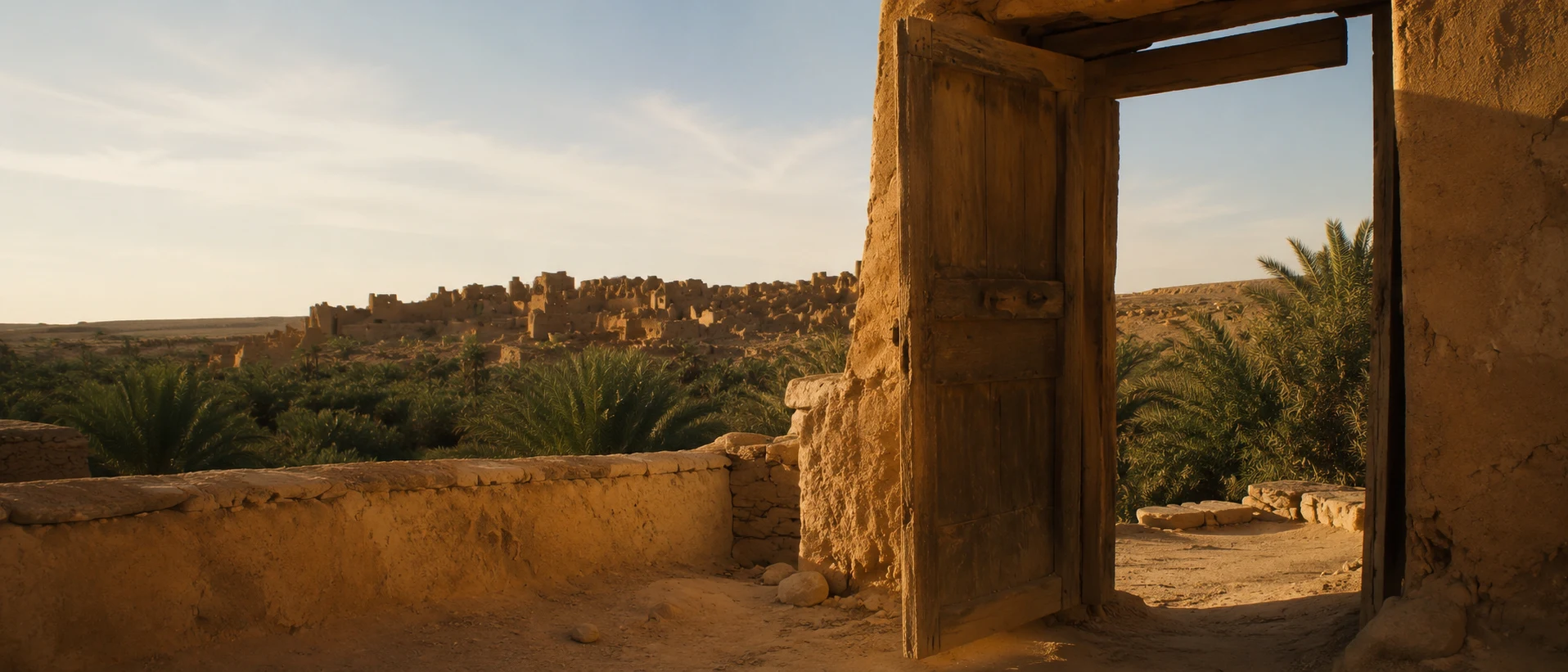
In the beginning, the idea seemed much simpler. Find remarkable honey. Know where it came from. Work with people we trusted. Offer it properly. That was enough to build a store. It was not enough to explain what happened next. The more we asked where something came from, the further the answer took us. A jar led to a beekeeper. The beekeeper led to a flowering season. The season led to a mountain, a valley, a village, a way of receiving guests, a food we had never tasted, or sometimes a memory we had carried for years without knowing where to put it. Slowly, MESKI stopped behaving like a store. So we stopped asking it to be one.
We Thought We Were Building a Store
There was nothing complicated about the first ambition.
I loved honey.
I wanted to understand why some harvests stayed in my memory and others did not. Why two jars both called Sidr could taste different. Why the honey I discovered close to a beekeeper felt different from something chosen anonymously from a catalogue.
So I travelled, asked questions, tasted, compared, made mistakes, learned, and kept meeting people who knew their land better than I ever could.
That could still have become a normal business.
A good one, perhaps.
Find the product. Explain its quality. Put it on a shelf. Sell it.
But something kept getting in the way.
The story.
Every time I tried to understand a product properly, the product became smaller and the world around it became larger.
A Sidr honey was no longer simply Sidr honey.
Which Sidr?
Which valley?
Which flowering?
Which beekeeper?
What happened with the rain that year?
What else was flowering nearby?
What did people in that place call the tree?
How did they eat the honey?
What did they serve beside it?
Once you begin asking those questions seriously, a product page becomes a very small room.
Then Every Jar Started Carrying a Story
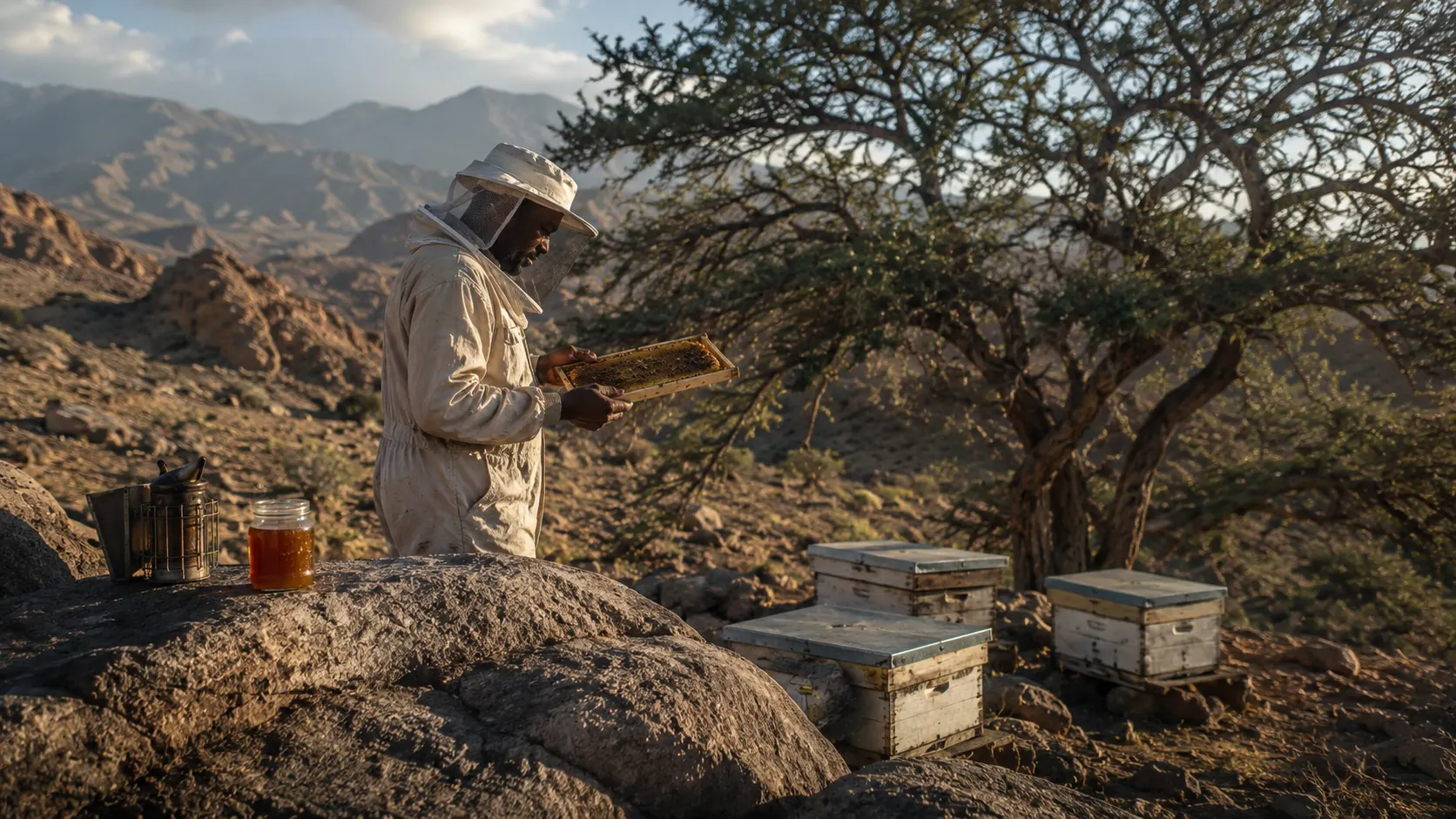
At some point, we stopped seeing a jar as the end of the story.
It became the beginning of one.
Omani honey led me back to a beekeeper near Nizwa, then beyond the jar toward the Hajar Mountains, the aflaj, Jabal Akhdar, Dhofar and frankincense. Honey from Hatta led into another side of the Emirates, far from the image many visitors keep of Dubai. Moroccan honey kept pulling me back toward the Ziz, the oasis, the shrubs I knew as Nbeg, and questions about the land where my own story began.
That is why we built the Honey Atlas.
Not because honey needed another ranking.
Because origin needed space.
A honey should be allowed to point beyond itself.
To the plant.
To the climate.
To the person who harvested it.
To the questions we still cannot answer.
I like a beautiful jar. Of course I do. Presentation matters.
But if we polish the glass until the land disappears, we have lost the most interesting part.
Honey taught us this first.
Then the same idea began spreading into everything else.
“At some point, we stopped seeing a jar as the end of the story. It became the beginning of one.”
Meski Was Never Just a Name
This is where I need to go further back.
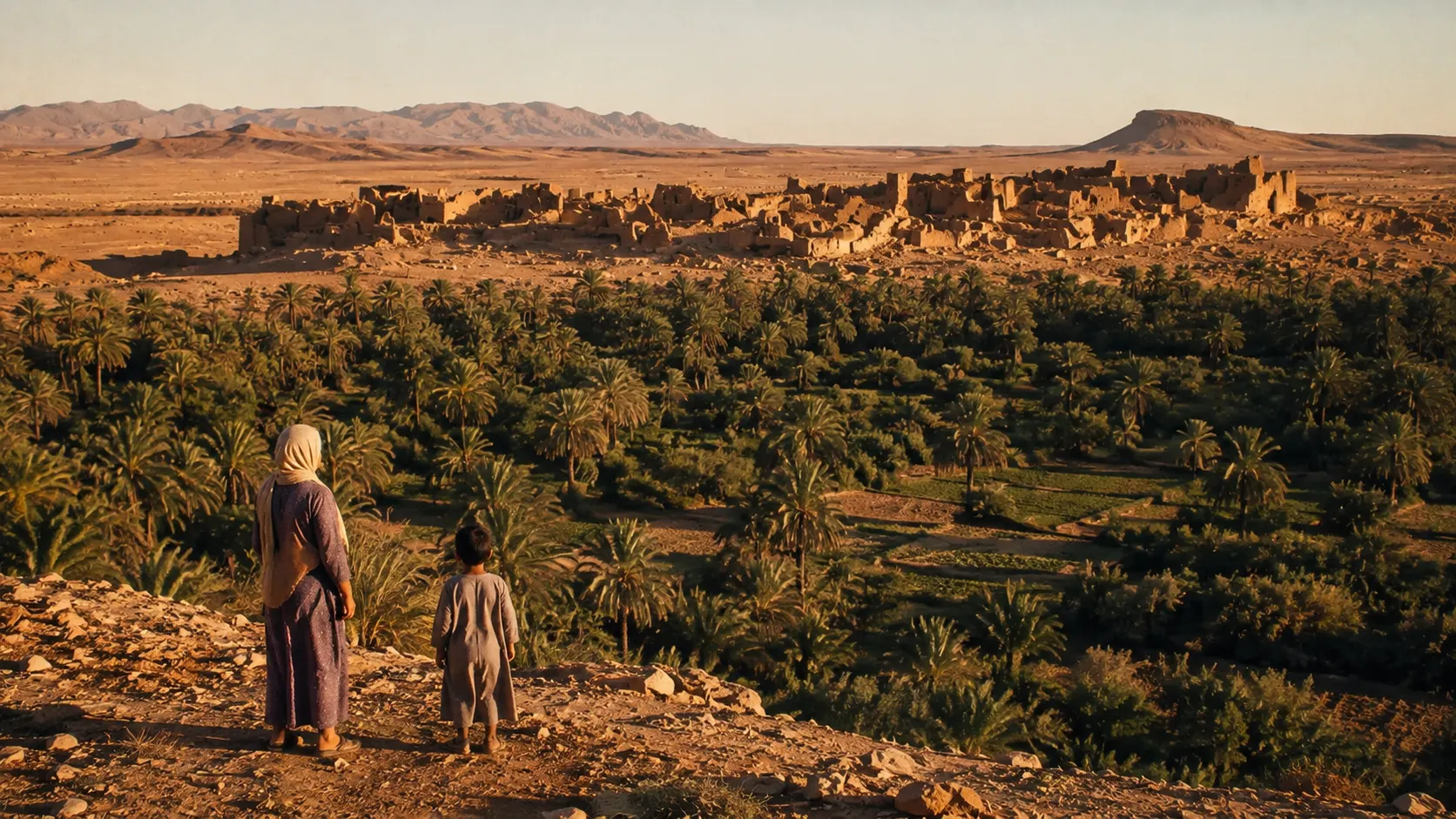
Before MESKI was written on a jar, Meski was already a place.
Ksar Meski.
The Ziz.
The oasis.
The house.
The palms.
The family.
The small things that did not look important because they happened every day.
A name can identify a brand.
For me, Meski had to carry something further than that.
It had to carry continuity.
Not the fantasy of freezing the past exactly as it was. I do not want to go backwards. I do not think every old habit was better simply because it was old.
Continuity means something else.
It means deciding that certain gestures, stories, words and ways of welcoming people are still worth passing forward.
Some of those memories now have their own place inside The Fortress of Memories. I created it because not everything worth preserving belongs in a product description.
A grandmother’s place in a small salon does not need a price.
The sound of a diesel pump lifting cold water from a well does not need a checkout button.
A door that was once left open because people knew they were welcome does not need to become a marketing concept.
Sometimes the most respectful thing we can do with a memory is simply give it somewhere to remain.
A Gesture Can Travel Further Than an Object
Culture is often discussed through large things.
Architecture.
Clothing.
Festivals.
Historical dates.
But much of what I remember was smaller.
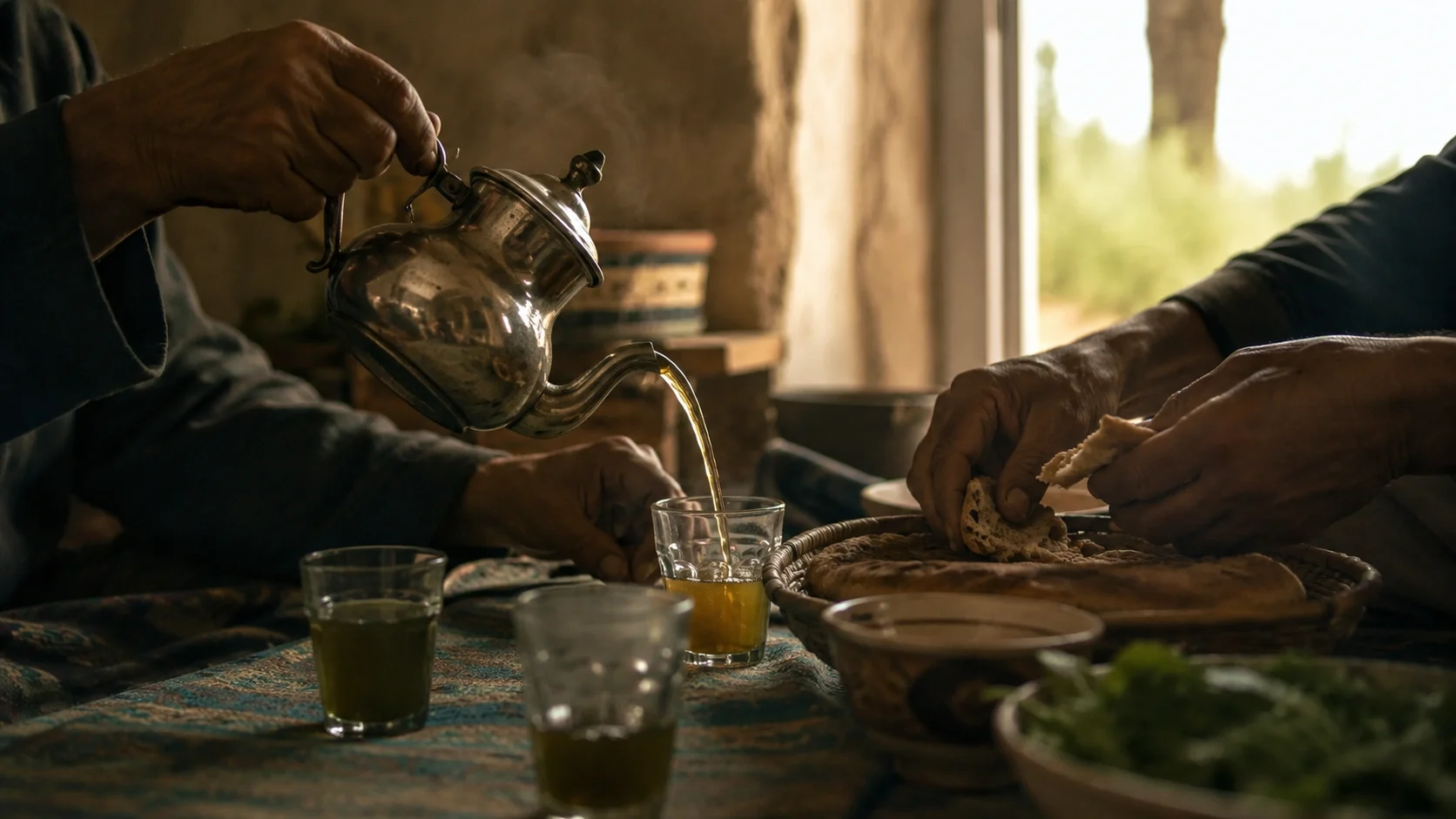
The way tea was poured.
The way bread was placed within reach of everyone.
The way hands were washed before eating.
The way a dish sat in the middle instead of belonging to one person.
The instinct to offer something to a guest before asking how long they intended to stay.
These are not museum pieces.
They are gestures.
And gestures survive only if somebody keeps doing them.
This is one reason The Meski Kitchen belongs inside the same house as honey.
Food is not a distraction from MESKI.
It is one of the oldest ways culture travels.
A recipe can move from a grandmother to a child.
A method can survive without ever having been written down.
A person can taste something thirty years later and suddenly recover a room, a voice, an afternoon.
Sometimes an object disappears and the gesture remains.
Sometimes the gesture disappears first.
That second loss worries me more.
Honey Opened the Door, but We Did Not Want to Stop There
Honey gave us permission to travel differently.
Not simply to arrive somewhere and ask what there was to buy.
To ask what grows here.
What flowers now?
What do people call it?
What changed from last year?
What do you eat with it?
What should I see if I leave the main road?
That is how a beekeeper can become a guide to a country without ever intending to be one.
In Oman, a conversation about Sidr and Samar opened questions about Nizwa, the mountains, water, agriculture and frankincense.
In Hatta, honey helped me see the Emirates through stone, trees and seasons instead of only through cities.
And once you begin travelling this way, it becomes artificial to say: we only write about honey.
What if the beekeeper tells you about a local dish?
What if the road to the apiary passes through a village whose architecture makes you stop?
What if a plant leads into a story about water?
What if a conversation around honey teaches you more about hospitality than about nectar?
Do we ignore those things because they are not products?
I did not want to.
That is why The Meski Journal became wider than a honey blog.
The honey remains one of our strongest threads.
But a thread is useful because it connects things.
Why a House?
Because a store has a very clear job.
It presents what is available and helps you choose.
There is nothing wrong with that.
MESKI does that too.
But a house can hold contradictions that a store finds inconvenient.
You can enter a house for one reason and stay for another.
You can come for honey and leave thinking about an oasis.
You can arrive through a search about Sidr and end up reading about a grandmother.
You can open a page about Oman and discover a question you want to ask an Omani friend.
You can read a food memory without being asked to purchase the ingredients.
A house has rooms.
Not every room performs the same function.
That is exactly what we needed.
The shop can remain the shop.
The Honey Atlas can map origin and terroir.
The Journal can investigate, travel and ask questions.
The Fortress of Memories can protect things too personal to turn into commerce.
The Kitchen can keep food, gestures and new encounters moving between people.
They do not have to compete.
They are rooms in the same house.
“A store needs shelves. A house needs doors.”
Not Everything We Preserve Will Be for Sale
This matters to me enough to say it plainly.
Not every story on MESKI should lead to a product.
Not every tradition needs a commercial reason to be documented.
Not every memory needs to become content designed to convert somebody.
If every road eventually has to arrive at “Buy Now,” then we have not built a house.
We have built a catalogue with long introductions.
I want the freedom to publish an article because something deserves to be understood.
A plant.
A disappearing gesture.
A tradition somebody explained to us.
A meal shared with people who expected nothing in return.
A place I visited and realised I had misunderstood.
A place I have not visited yet, but want to understand carefully through people who know it.
And sometimes a personal memory that has almost nothing to do with business.
This separation is important.
Commerce can help support the house.
It should not be allowed to own every room inside it.
Some things are here simply because I do not want them to disappear.
Sharing Is Part of Preserving
There is another reason for building this way.
I do not believe preservation means locking culture behind glass.
A tradition remains alive when people understand it, use it, question it, adapt it carefully, and pass it to somebody else.
That also means MESKI cannot be a one-way conversation.
I can tell you what I remember from Meski.
An Omani can tell me I have missed the honey from a village I have never heard of.
An Emirati can explain a local gesture that disappears if nobody records it.
A Moroccan from another region can correct the way I understood a plant name.
A reader can ask a question that exposes a gap in an article we thought was finished.
I like that.
It makes the house less polished.
It also makes it more alive.
The goal is not to become the person who already knows everything.
I have travelled enough to know how impossible that would be.
The goal is to keep the door open long enough for knowledge to move in both directions.
A House Is Never Finished
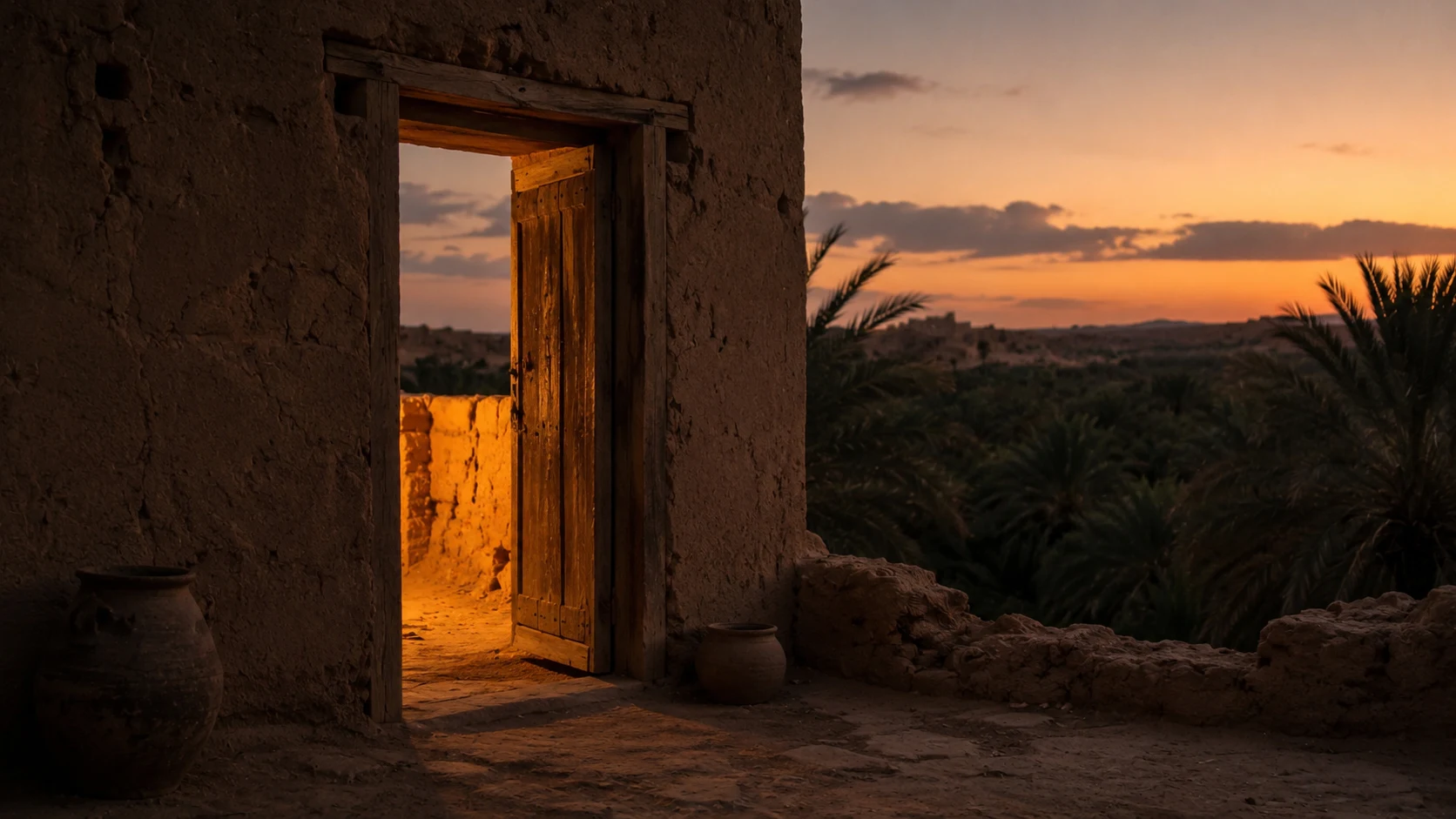
I do not know what every room of The House of Meski will look like in five years.
I am comfortable with that.
There are still honeys I have never tasted.
Places I have not visited.
Memories I have not written.
Recipes I have forgotten until somebody in the family says one sentence and brings them back.
People we have not met yet.
Questions readers have not asked yet.
Perhaps that is another reason a house suits us better than a store.
A store is expected to be complete when it opens.
A house keeps changing with the people who enter it.
MESKI began with honey.
I hope honey always remains part of its heart.
But the house is now large enough for the land behind the honey, the people beside it, the meals around it, the journeys it started, and the memories that existed long before the first jar carried our name.
That is the house I want to keep building.
Meskaoui
About The House of Meski
Because honey became only one part of a wider project. The House of Meski includes a shop, but also the Honey Atlas, The Meski Journal, The Fortress of Memories and The Meski Kitchen. Each has a different role: commerce, terroir, investigation, personal memory, food and cultural transmission.
Ksar Meski is the family and memory landscape from which the name carries its deepest meaning for Meskaoui. The oasis, the Ziz, family life and ordinary gestures became the foundation for a wider idea of continuity: preserving and sharing culture without pretending that the past must remain frozen.
The Fortress of Memories is MESKI’s personal memory space dedicated to Ksar Meski, family stories, the oasis and fragments of everyday life. It exists separately from the shop because not every memory or tradition needs to lead to something for sale.
Because following honey to its origin naturally leads to wider questions about landscapes, plants, people, agriculture, hospitality and food. The Journal follows those connections instead of forcing every subject back into a product page.
The Honey Atlas is organised around origins, terroirs, floral sources and honey profiles. The Meski Journal is wider: it can investigate a plant, tell a travel story, document a tradition, explore a country or follow a cultural question that may have no product attached to it.
The Meski Kitchen gathers family food, inherited gestures, recipes, ingredients and new culinary memories discovered while travelling or sharing tables with others. Its subject is not only cooking, but what food carries between people.
No. The shop helps support the wider house, but some articles, memories and cultural pages exist simply because the subject deserves to be preserved, understood or shared. MESKI deliberately leaves room for stories with no commercial destination.
Explore the rooms of the House
Follow the honey back to its landscape, enter the memories of Ksar Meski, continue through the Kitchen, or simply wander through the Journal.
Continue Through the House
- The Fortress of Memories – Ksar Meski, family memory and the fragments that deserve a place of their own.
- The Honey Atlas – origins, flowers, landscapes and terroirs behind remarkable honeys.
- The Meski Kitchen – food, gestures, family recipes and new memories around the table.
- The Meski Journal – honey, culture, travel, history, traditions and the questions that keep opening new doors.