
Culture & Traditions
Queen Arwa of Yemen
Queen Arwa belongs to those rulers whose names deserve to be recovered: she truly governed, endured and left a political legacy.
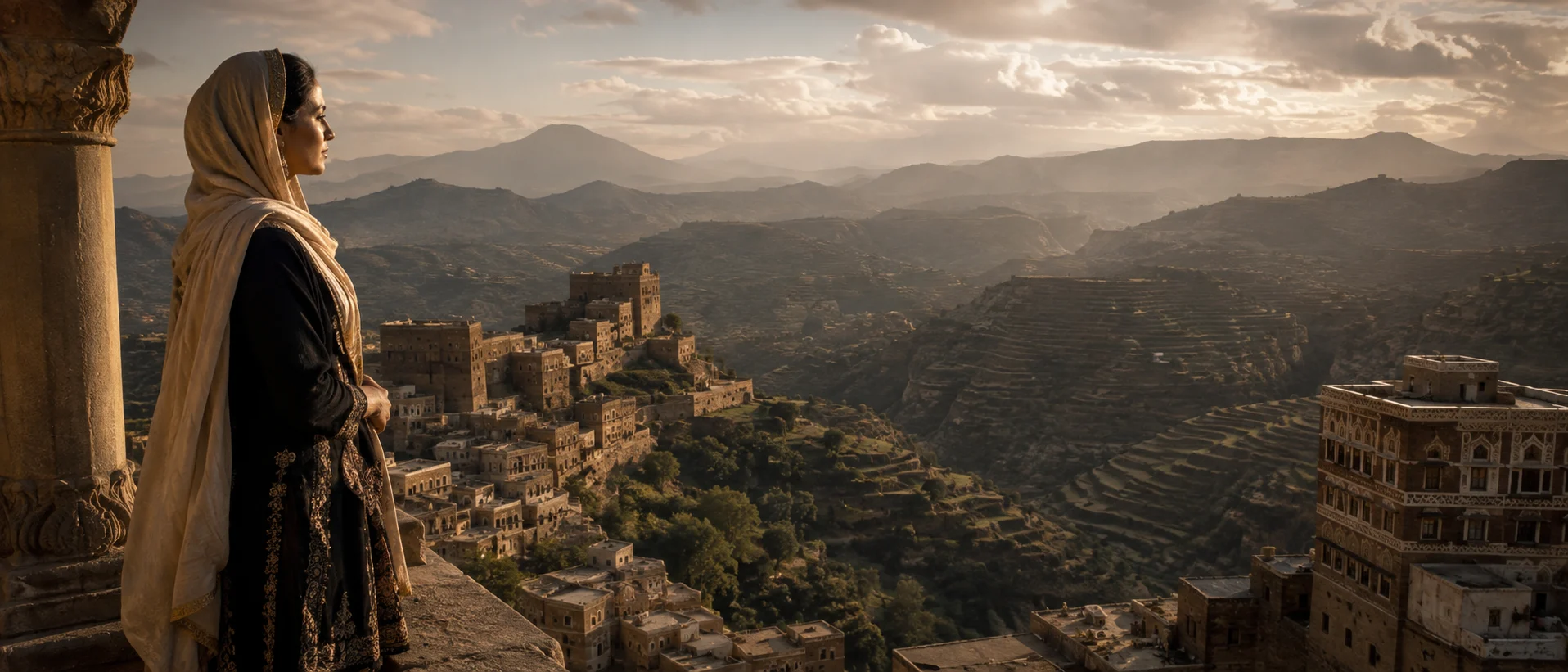
Some names remain in history with a strange kind of discretion.
They are not completely forgotten, yet they do not circulate as widely as they deserve.
Queen Arwa of Yemen is one of those names.
When people speak of powerful women in Arab history, the same few figures are often repeated. Arwa is different because her importance does not depend on legend. She exercised real political authority.
A Yemeni ruler of consequence
Arwa belongs to the medieval history of Yemen. Her name is tied to actual government, not merely to a symbolic role.
That matters.
Stories about women in history often move between erasure and romanticisation. Arwa asks us to return to something more concrete.
She ruled. She mattered. She endured.
Yemen was never a secondary landscape
To understand Arwa, we also have to understand Yemen differently.
Its history is ancient, layered and politically complex. Mountains, cities, scholarship, commerce and deeply rooted structures of authority gave the region an extraordinary density.
Arwa rose within that world.
A queen of government
What makes her story compelling is precisely that she cannot be reduced to a decorative queen. Her importance lies in administration, legitimacy, strategy and continuity.
There is something powerful in that.
Many societies preserve stories of extraordinary women. Fewer preserve the memory of a woman who actually held the centre of political authority for years.
Some names become famous because they are repeated. Others become great because they carried the weight of an age.
Meskaoui
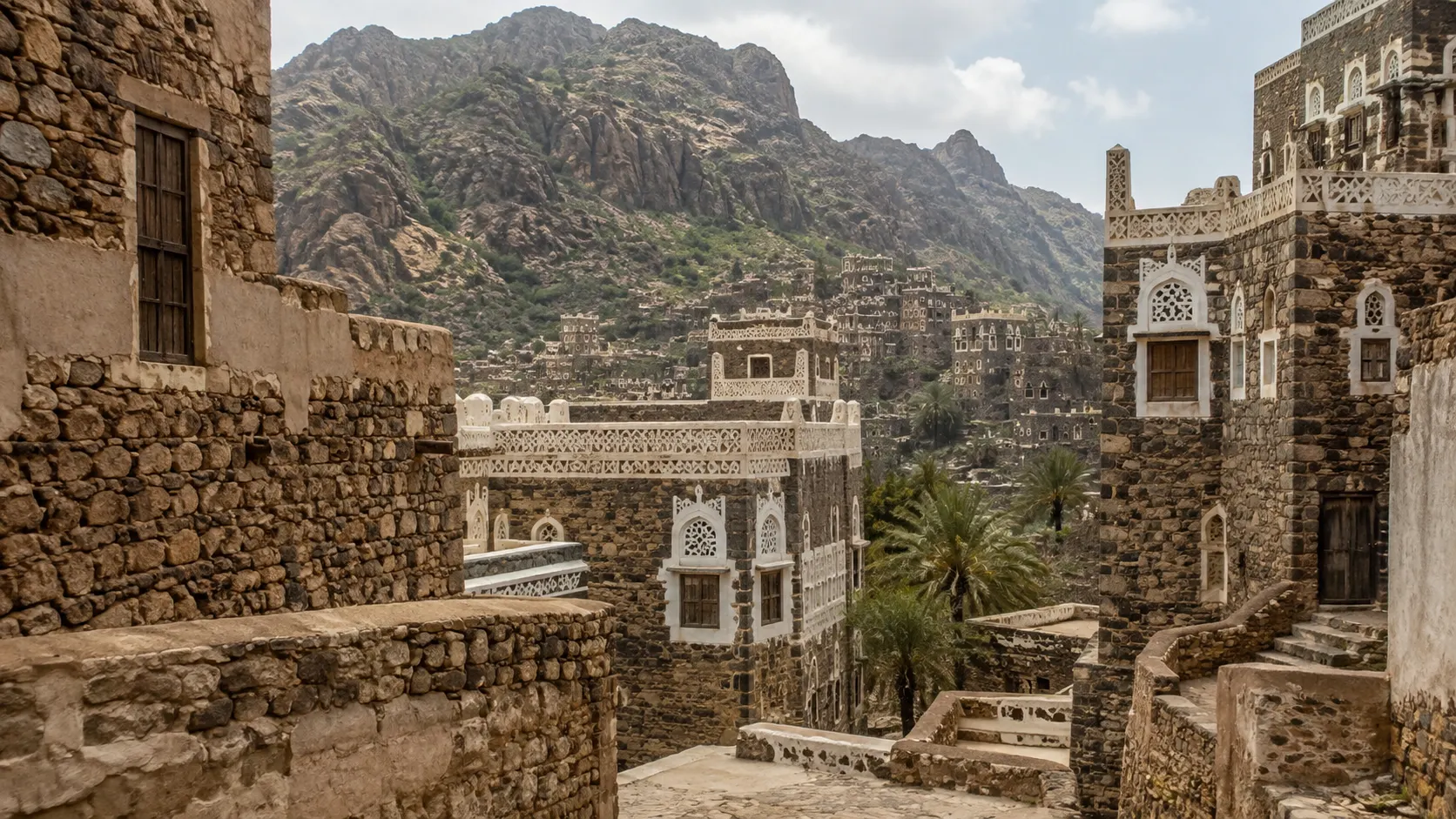
Authority and memory
Arwa also forces us to look differently at Arab historical memory.
Female authority was not absent. It was often transmitted less clearly, placed behind more spectacular figures or reduced to anecdotes.
Her life shows that Yemen possessed a political history sophisticated enough to accommodate a woman at the centre of rule.
Why her name matters now
Because it expands our understanding of the Arab world. It complicates simple narratives. It shows that the region’s history contains figures more varied and more powerful than the usual summaries suggest.
It also allows Yemen to be seen as more than the tragedies of the present.
Returning to Arwa does not deny contemporary suffering. It reminds us that the country also carries an old political, intellectual and cultural inheritance.
A ruler to return to the story
There is no need to remake Arwa into a modern icon created for our expectations.
It is enough to return her to her rightful place.
A serious place.
That of a Yemeni sovereign who governed in a world where rule demanded intelligence, legitimacy, strategy and a fine understanding of political balance.
If her name is still not known widely enough, then perhaps the answer is not simply to regret the forgetting.
It is to repair it.
Queen Arwa and Medieval Yemen
Queen Arwa belongs to documented medieval Yemeni history. Her importance comes from the fact that she exercised real political authority rather than surviving only as a legendary or symbolic figure.
No. They belong to completely different historical contexts. The Queen of Sheba is connected to the ancient kingdom of Saba, while Queen Arwa belongs to medieval Yemeni political history many centuries later.
Her life provides a clear example of a woman occupying sustained political authority. That makes her useful for moving beyond the idea that powerful women in Arab history existed only in legend.
The significance lies in government, legitimacy and continuity. Her story is not only about an unusual individual; it is about how authority could be exercised and maintained within a complex Yemeni political world.
Her story restores historical depth to a country often viewed mainly through contemporary crises. Medieval Yemen also carried political institutions, scholarship, cities and long traditions of regional influence.
More Stories from Yemen & Arabia
Move from a medieval Yemeni ruler to older Saba, the honey landscapes of Arabia and the travellers who crossed them.