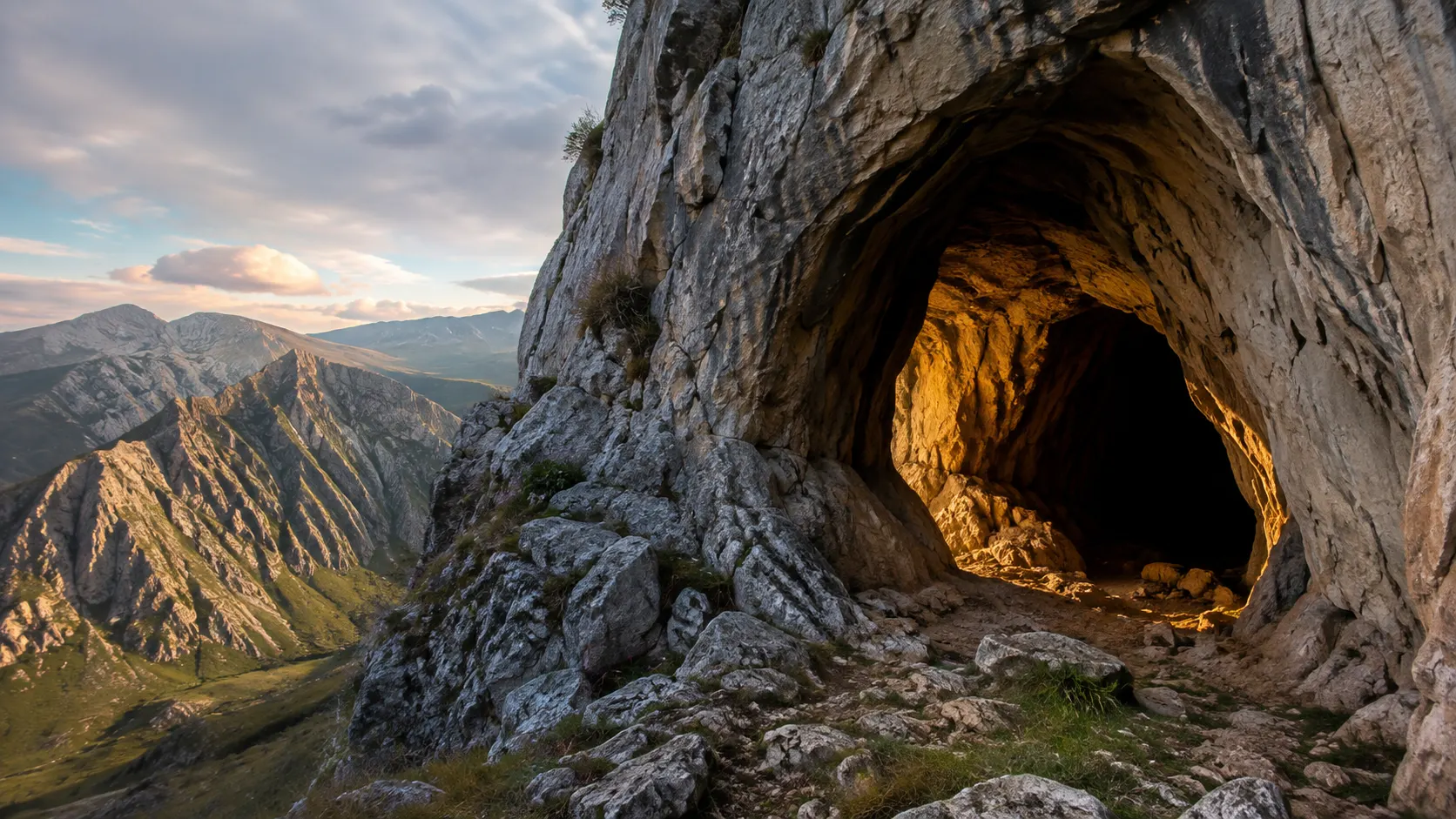
Turkey · Rize Province · Anzer Plateau
Elvish
Honey
عسل الجان التركي
An alpine meadow honey from a plateau so guarded, outside hives are not allowed on it.
High in Turkey’s Kaçkar Mountains, above where forest gives way to alpine meadow, several hundred endemic wildflowers give a honey so tightly controlled that even Turkish beekeepers from outside the valley cannot bring their hives onto the plateau.
Terroir
Anzer, a plateau and nothing else
Anzer is not a plant or a tree — it’s a place. The Anzer Yaylası is a U-shaped alpine valley in Rize Province’s İkizdere district, reached by climbing roughly 30 kilometres inland from the Black Sea coast into the Kaçkar Mountains, between 1,750 and 3,150 metres.
Above the treeline, where forest can no longer grow, several hundred flowering plant species take over — many found nowhere else — giving bees a floral range no single valley elsewhere in this Atlas can match.
| Location | Anzer Plateau, İkizdere district, Rize Province, Turkey |
| Altitude | 1,750–3,150 m, above the treeline |
| Floral source | Multifloral alpine meadow — several hundred species, many endemic |
| Bloom | Brief alpine summer |
| Harvest | Early August, a window of 45–60 days |
“Above the last tree on the Kaçkar slopes, a few hundred flowers get exactly one short summer to matter.“
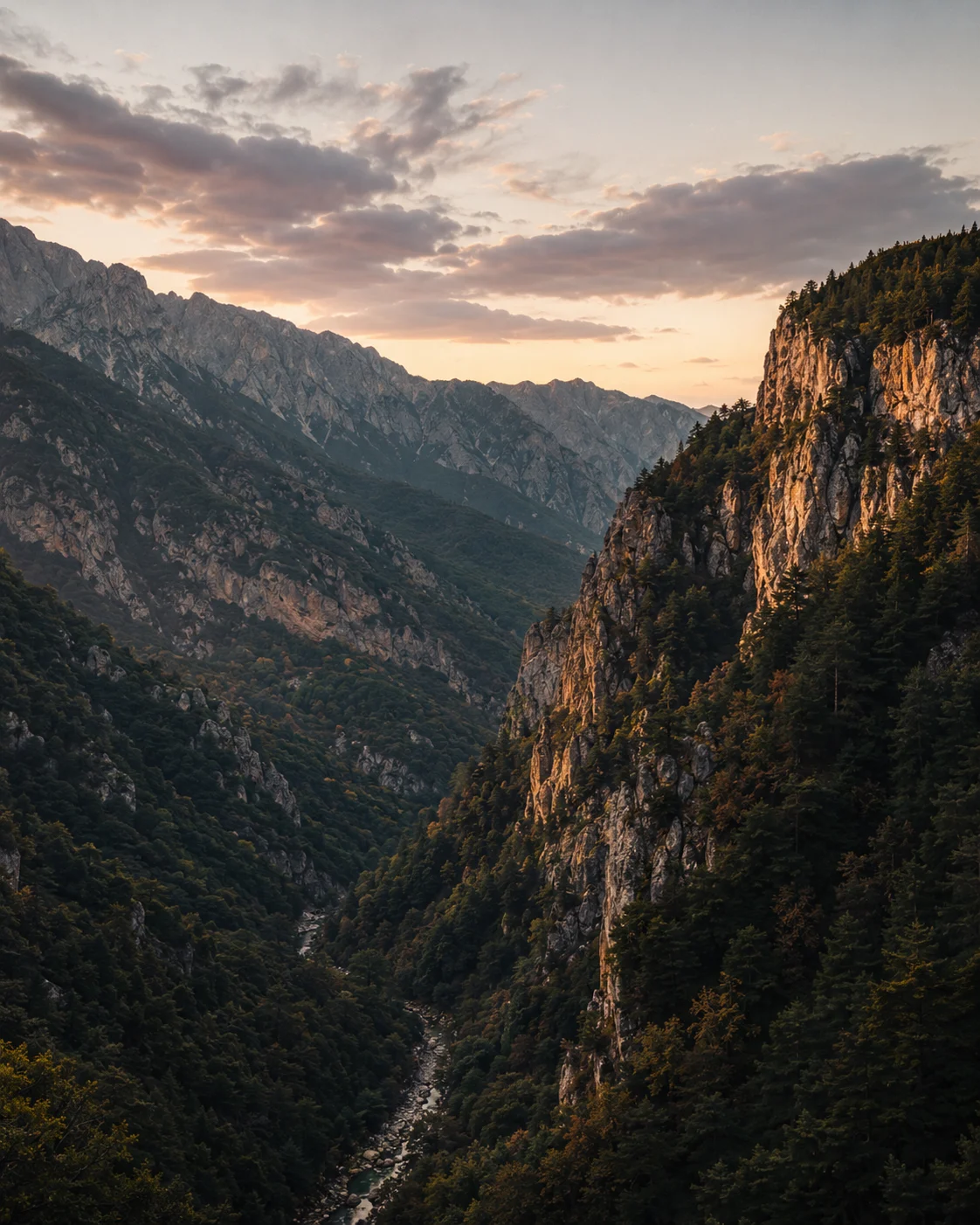 Anzer Plateau · Kaçkar Mountains
A necessary clarification
Not to be confused with ‘mad honey’
Turkey’s Black Sea region is also home to a different, darker honey — deli bal, or ‘mad honey’ — made specifically from purple rhododendron nectar and containing a natural toxin. It is not what this fiche describes. Genuine Anzer honey is lab-tested specifically to exclude rhododendron pollen; this is a multifloral alpine meadow honey, not the toxic variety sometimes marketed under a similar mystique.
Tradition
A valley that closed its own gates
Villagers collected honey here for generations using traditional wooden hives, mostly for household use and local trade — long before Anzer honey carried any reputation beyond Turkey’s Black Sea communities.
As demand and imitation grew, the local cooperative moved to protect what made the honey genuine: outside apiaries are now prohibited from the plateau entirely, and every certified batch is tested and numbered before sale.
Generations
A valley’s own honey
Local villagers kept traditional wooden hives on the plateau’s edges, gathering honey mainly for household use long before it drew outside attention.
Growing demand
A reputation, and imitators
As Anzer honey’s fame and price grew, honey from elsewhere increasingly appeared on shelves falsely marketed under its name.
Recent decades
A closed plateau, a lab test
The local cooperative closed the plateau to outside hives and introduced laboratory certification — pollen analysis, purity testing, numbered traceable jars.
Today
Still gathered by the same short window
The plateau still gives its honey in one narrow window each August, verified before it ever leaves the valley.
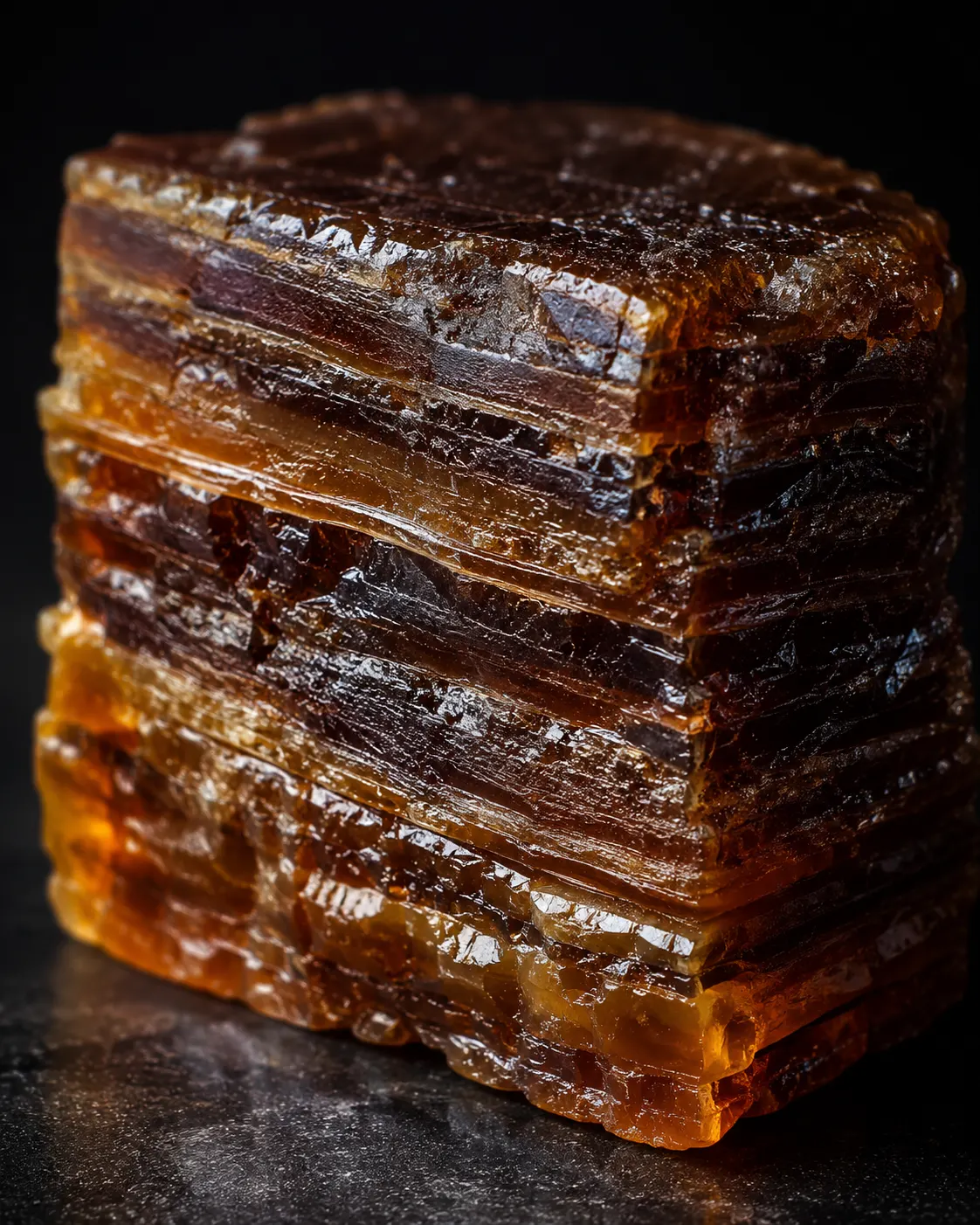 Alpine wildflowers · Anzer Plateau
“You cannot borrow this plateau for a season. Its own beekeepers barely get more than that.”
— The House of Meski
Rarity
A short season, a closed gate, and a lab test
Between the brief alpine bloom, the ban on outside hives, and mandatory certification before sale, genuine Anzer honey clears more hurdles than almost anything else in this Atlas before it ever reaches a jar labelled with its name.
Why it cannot scale
Even a beekeeper born in the valley cannot simply decide to produce more of it. The plateau, the season and the cooperative all set the limit together.
Beekeeping
A Caucasian bee built for this altitude
Hives on Anzer’s slopes typically house the Caucasian Grey Bee, whose unusually long tongue reaches nectar in alpine flowers other honeybee subspecies cannot easily access — an advantage suited to exactly this kind of high, flower-dense meadow.
The practice
Extraction follows standard modern equipment — smoker, uncapping knife, extractor — the honey never heated beyond what a hive naturally reaches, before it goes to laboratory testing.
Sensory reading
Complex by sheer floral number, not by any one flower
Texture
Thick and smooth, slow to crystallise — its high diastase activity, verified in testing, points to minimal processing rather than any particular flavour trait.
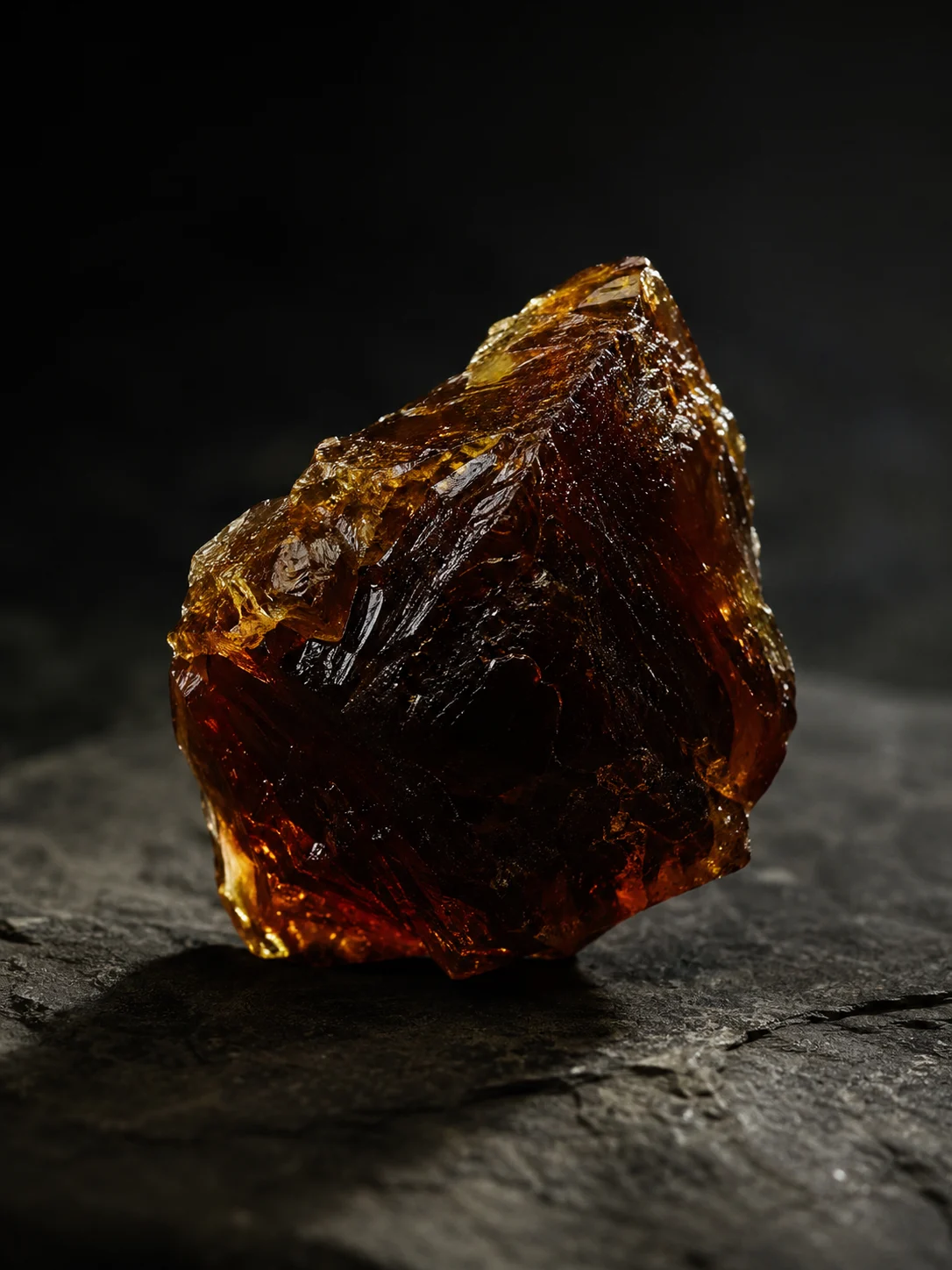
Harvest notebook
From the field — a plateau that shuts its own gate
By the time hives reach the Anzer plateau each summer, the window is already closing — alpine flowers this high bloom fast and finish faster.
Every jar that leaves the valley under the Anzer name has already been through a laboratory, checked against a list of what it should and should not contain.
It is a honey defined as much by what the cooperative refuses to allow — outside hives, unverified pollen, honey from elsewhere — as by anything the bees themselves contribute.
Pairings
How to serve it
Rich and complex — best appreciated with a light hand.
Meski rating
An editorial reading, not a certification
Six criteria of the House, judged in tasting. This rating describes the appellation, is revised for each lot presented, and replaces no analysis or certificate.
Provenance
The Meski Confidence Chain
Rare honey is one of the most counterfeited foods in the world, and Sidr is no exception. Confidence does not come from a single certificate — it comes from a chain that stays continuous, from bloom to jar.
Read: How to read a rare honeyAnalysis describes the sample received by the laboratory. It does not automatically prove that every jar sold under the same name comes from that sample. A continuous chain does.
Continue the Atlas
An origin is never an island
Compare not to name a winner, but to understand what place, season and craft shift in the cup.