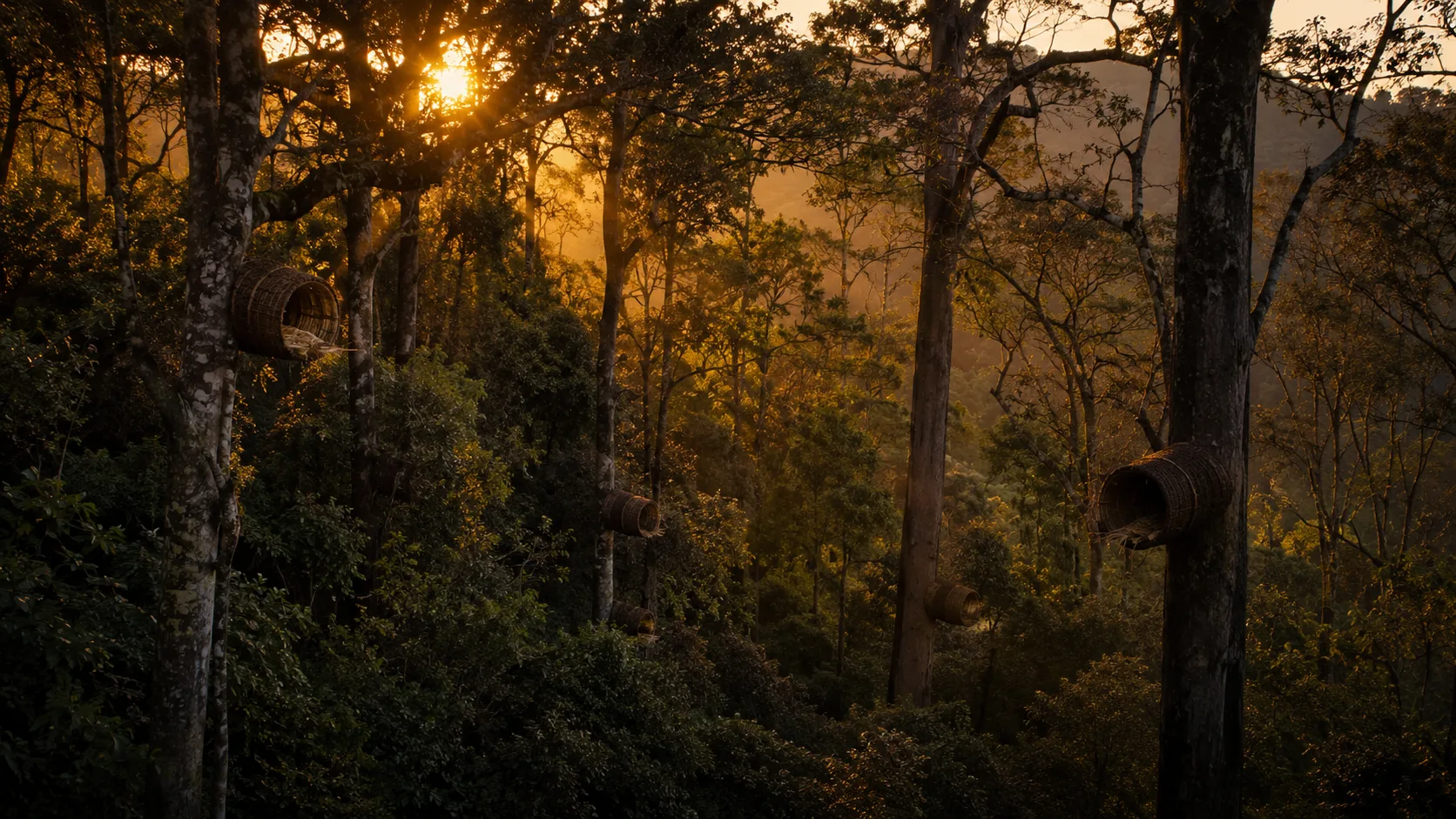
Ethiopia · Guji Highlands · Oromia
Bore
Honey
عسل بوري الإثيوبي
Two honeys from one forest, and a tradition sung about as much as it’s harvested.
At 3,000 metres in Ethiopia’s Guji highlands, the village of Bore holds festivals, ceremonies and songs dedicated to beekeeping — and a seven-month rainy season generous enough to give two entirely different honeys from the same forest.
Terroir
Wate village, 3,000 metres up
Bore district sits high in Ethiopia’s Guji highlands, Oromia region, home to the Guji people, for whom cattle farming and beekeeping have long gone hand in hand.
The area’s long rainy season — around seven months of the year — supports a rich forest understorey, giving bees access to a wide range of flowering trees across an extended season most honeys elsewhere would never get.
| Location | Wate village, Bore district, Guji highlands, Oromia, Ethiopia |
| Altitude | Around 3,000 metres |
| Rainy season | Roughly seven months of the year |
| Traditional hive | Gagura — a local hive design |
| Cooperative | Guji Bore Beekeepers’ association, around 30 members |
“In Bore, a wedding song and a beekeeping season can be talking about the same thing.“
 Guji highlands · Bore district
Tradition
Honey woven into everyday life
In Bore, honey is not a specialty product set apart from daily life — it is daily life. Festivals, initiation rites and songs are dedicated to beekeeping, and the honey itself flavours food, sweetens mead (locally boka), and serves as a household remedy.
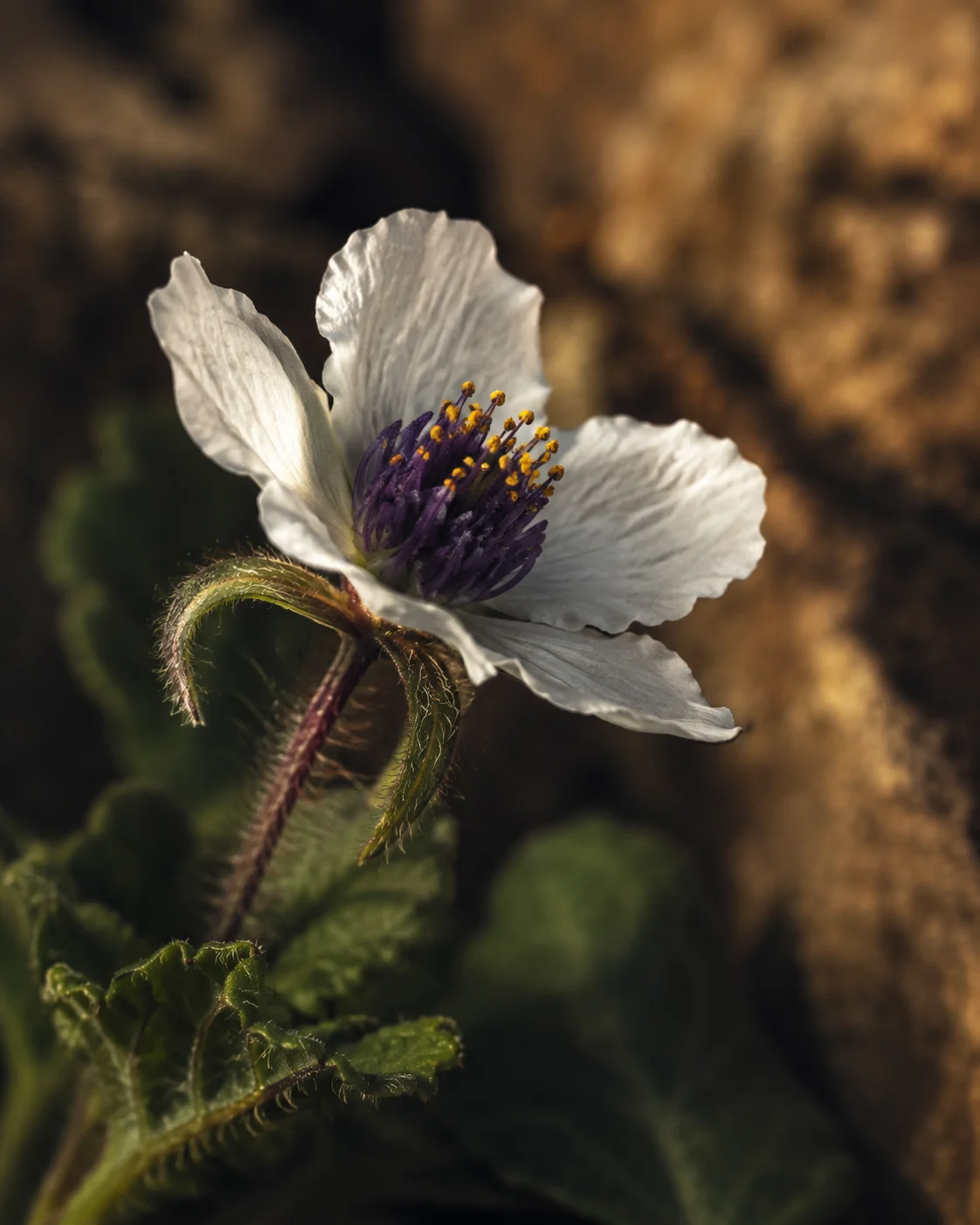
Traditional hives here are called gagura, and the long rainy season — lasting around seven months — gives local beekeepers not one honey, but two entirely different ones from the same forest.
Two honeys, one forest
 Guji highlands · Bore district
“A festival can be dedicated to bees here the same way another place might dedicate one to rain.”
— The House of Meski
Rarity
A tradition losing hands faster than it’s gaining them
Around 30 beekeepers currently work within the Bore Presidium cooperative — but the wider district has seen roughly 50 producers step away from the practice in recent years, pressured by habitat loss and deforestation.
Why it cannot scale
This honey’s rarity isn’t romantic scarcity — it’s a working tradition that is measurably losing ground, which the Presidium exists to slow.
Beekeeping
Gagura hives, and a cooperative built to last
Traditional gagura hives remain central to how honey is gathered in Bore, tended by beekeepers whose knowledge of the surrounding forest’s flowering cycles has passed down through generations.
The practice
Where modern equipment reaches the cooperative, extraction follows standard practice; much of the work, though, still depends on traditional methods suited to the terrain and the hives themselves.
Sensory reading
One forest, two very different honeys
Texture
The white honey is creamy and melting; the dark honey noticeably fuller-bodied — genuinely two textures, not a single honey in two colours.

Harvest notebook
From the field — a festival’s worth of honey
In Bore, the beekeeping calendar and the cultural calendar are barely separate things — ceremonies mark the season the way harvests mark it elsewhere.
Traditional gagura hives still do most of the work, tended by beekeepers reading a forest that offers up two distinct honeys depending on which trees are flowering at the time.
It is, in the truest sense, a honey inseparable from the people who keep it — which is exactly what the Presidium is trying to make sure doesn’t disappear.
Pairings
How to serve it
Traditionally served with simple, everyday Ethiopian foods — not dressed up for the occasion.
Meski rating
An editorial reading, not a certification
Six criteria of the House, judged in tasting. This rating describes the appellation, is revised for each lot presented, and replaces no analysis or certificate.
Provenance
The Meski Confidence Chain
Rare honey is one of the most counterfeited foods in the world, and Sidr is no exception. Confidence does not come from a single certificate — it comes from a chain that stays continuous, from bloom to jar.
Read: How to read a rare honeyAnalysis describes the sample received by the laboratory. It does not automatically prove that every jar sold under the same name comes from that sample. A continuous chain does.
Continue the Atlas
An origin is never an island
Compare not to name a winner, but to understand what place, season and craft shift in the cup.