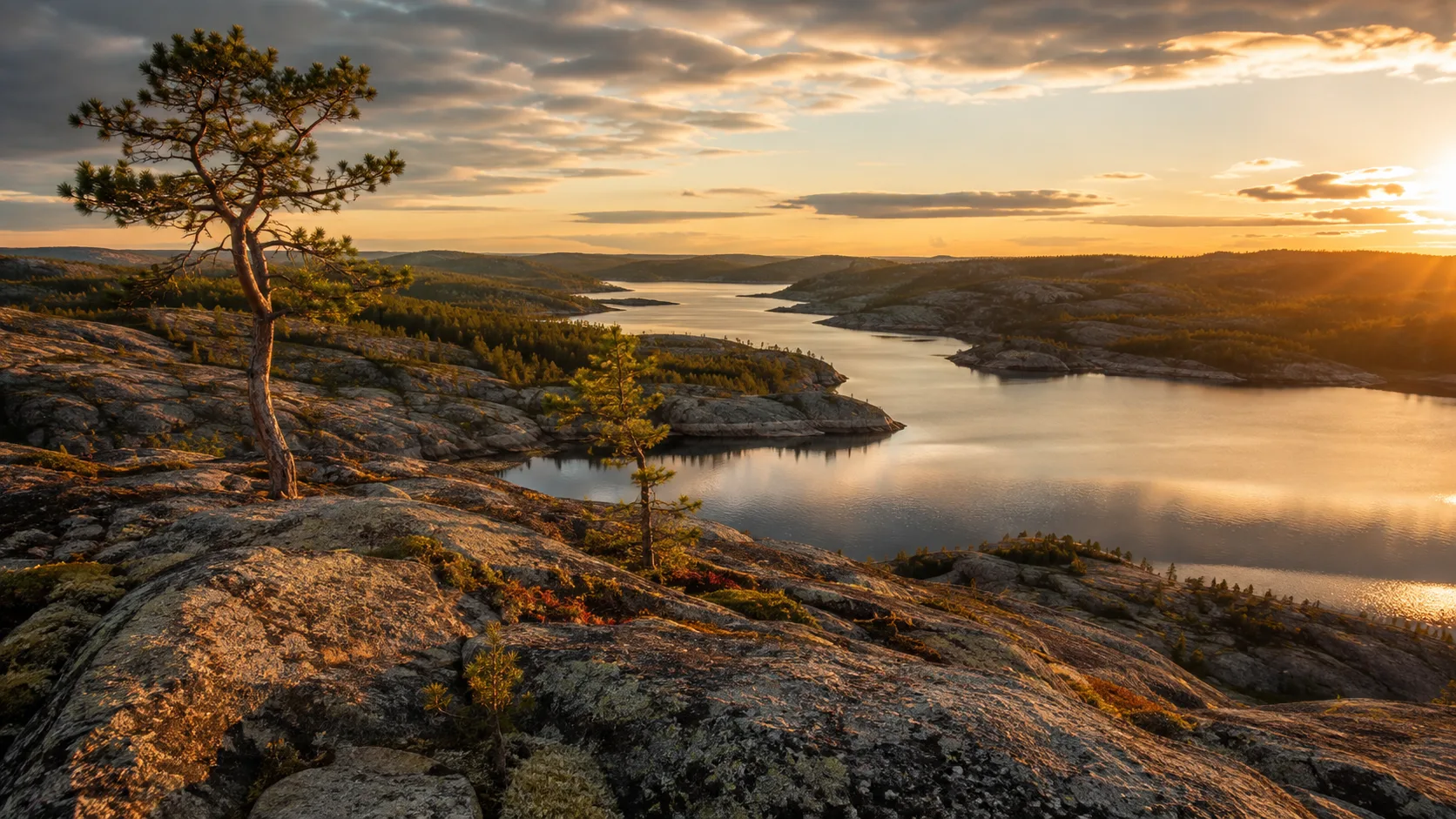
Canada · Northern Ontario · Boreal Forest
Canadian
Buckwheat Honey
عسل الحنطة السوداء الكندي
White flowers, black nectar — one of the honey world’s quiet visual tricks.
Across Northern Ontario’s boreal-edge farmland, buckwheat opens small white flowers each summer — and hides, inside them, a nectar dark enough to give one of the deepest-coloured honeys anywhere.
Terroir
Boreal-edge fields, far from any city
Northern Ontario’s organic buckwheat fields sit at the edge of Canada’s boreal forest, a pristine, sparsely populated region where hives can forage without the pesticide pressure common further south.
Buckwheat itself is not a grain at all — it’s related to sorrel and rhubarb, not wheat — and its white petals conceal a nectar so dark it produces one of the deepest-coloured honeys a bee can make.
| Location | Northern Ontario, Canada, boreal forest edge |
| Landscape | Organic buckwheat fields bordering pristine boreal forest |
| Plant | Buckwheat — Fagopyrum esculentum |
| Bloom | Summer |
| Harvest | Autumn, following the buckwheat bloom |
“Buckwheat flowers are white. Nobody looking at the field would guess what colour the honey turns out to be.“
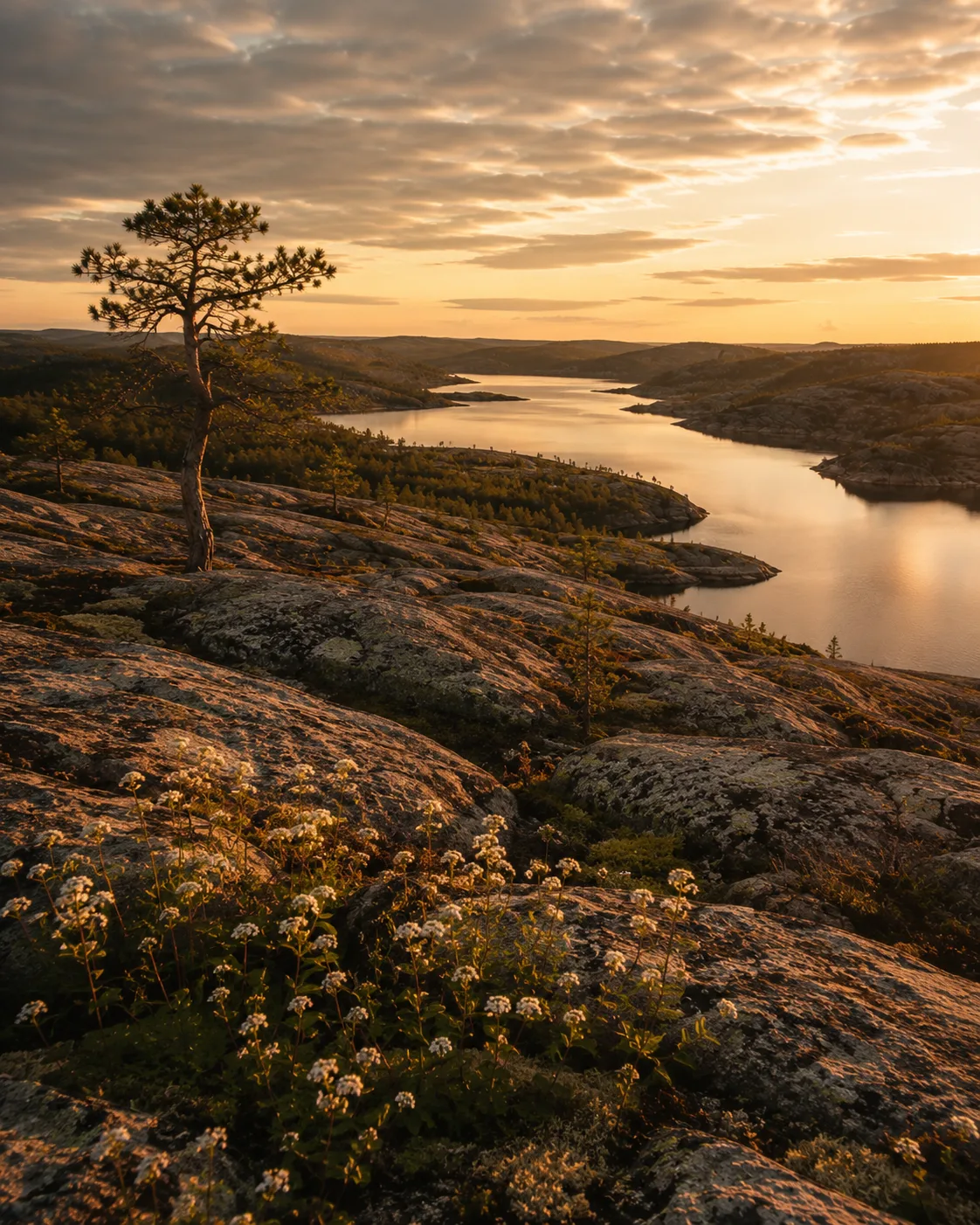 Northern Ontario · buckwheat field
Tradition
A short season’s honey, in a short-season country
Buckwheat suits places with short growing seasons and long winters — exactly Northern Ontario’s climate — which is part of why this honey has become associated with the region rather than milder farmland further south.
Beekeepers here place hives directly inside buckwheat fields rather than letting bees forage widely, deliberately pushing for the darkest, most concentrated expression of the flower.
Long-standing
A crop suited to hard winters
Buckwheat’s tolerance for short growing seasons made it a natural fit for Northern Ontario’s boreal-edge farmland long before its honey drew particular attention.
Modern practice
Hives placed for darkness
Beekeepers began placing colonies directly within buckwheat fields, deliberately producing a darker, more concentrated honey than casual foraging would give.
Ongoing
Boreal purity as a selling point
With disease pressure lower in this remote region, buckwheat honey from Northern Ontario increasingly markets itself on the purity of its boreal surroundings.
Today
Still the boldest jar on the shelf
The same short summer, the same white flowers hiding dark nectar — a honey some love immediately and others need to grow into.
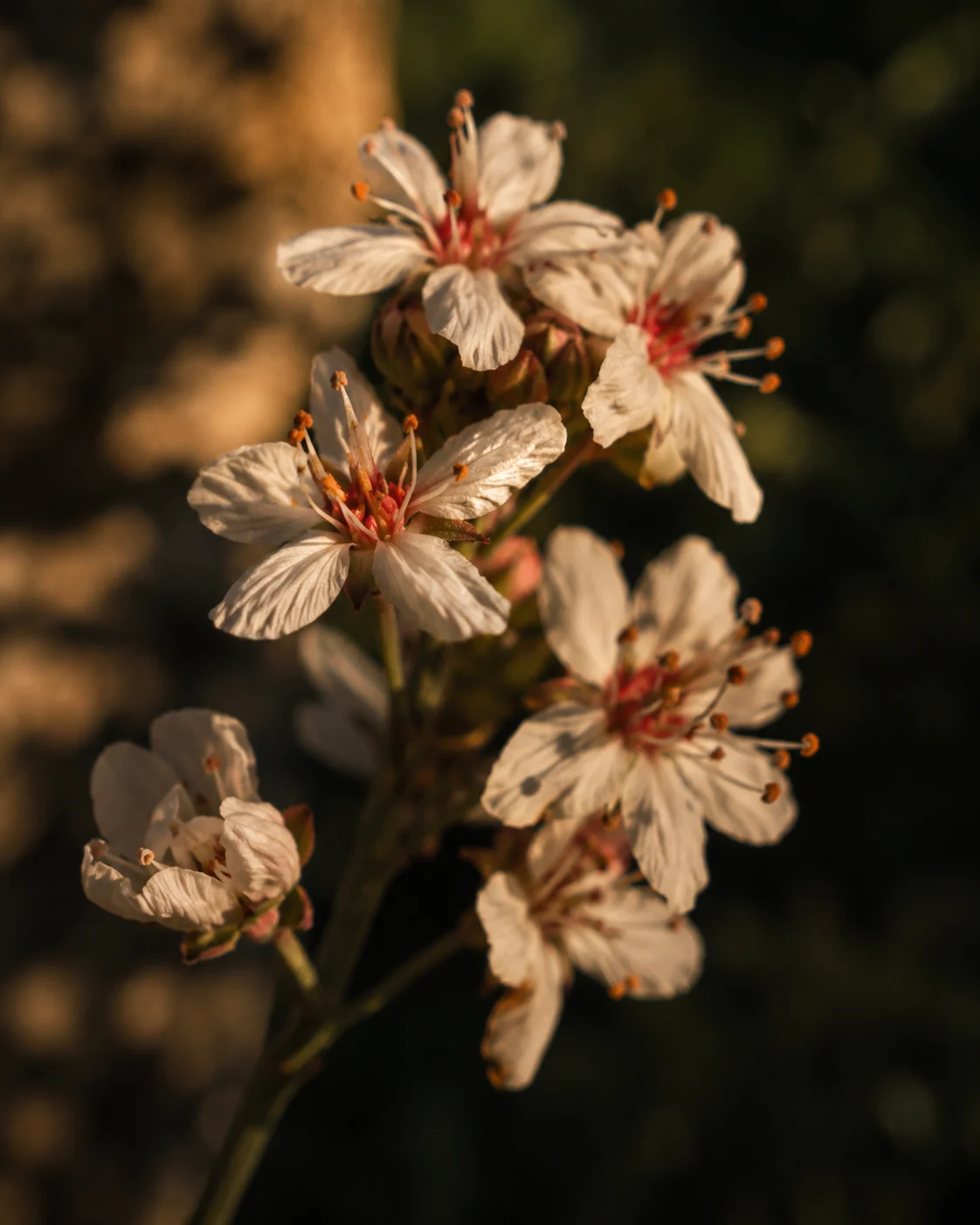 Buckwheat blossom · Northern Ontario
“A long winter leaves buckwheat exactly one short summer to make its case — and it never wastes it.”
— The House of Meski
Rarity
Bold by design, not just by nature
Placing hives inside the buckwheat fields themselves, rather than letting bees range freely, is a deliberate choice that trades broader foraging for a darker, more concentrated single-source honey.
Why it cannot scale
A short boreal summer sets the entire calendar. There is no second buckwheat season to fall back on.
Beekeeping
Hives set inside the field, not beside it
Rather than positioning hives near a mix of forage, beekeepers here place them directly within the buckwheat fields themselves, maximising how much of the honey’s character comes from a single flower.
The practice
Extraction follows standard modern practice — smoker, uncapping knife, extractor — never heated beyond what a beehive itself would naturally reach.
Sensory reading
An acquired, memorable intensity
Texture
Liquid and slow to crystallise, thanks to a naturally higher fructose-to-glucose ratio than most honeys.
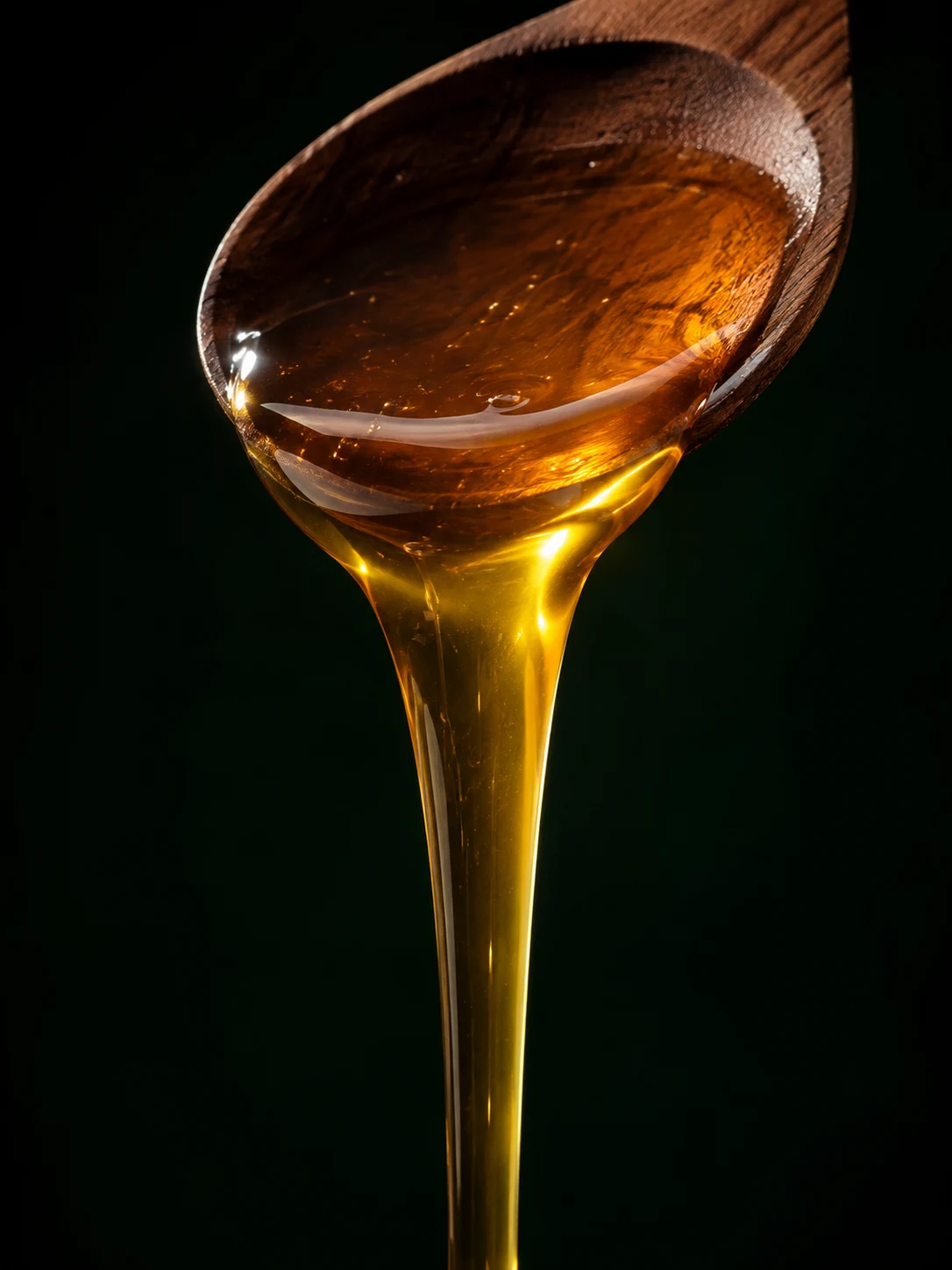
Harvest notebook
From the field — a colour nobody expects
Stand in a Northern Ontario buckwheat field in July and you’ll see nothing but small white flowers stretching toward the treeline — no hint of what’s coming.
By autumn, the hives set inside those same fields give back something almost black, thick with malt and molasses, a world away from the delicate white bloom that made it.
It remains, for many first-time tasters, the honey in this Atlas that most upends what a flower’s colour is supposed to promise.
Pairings
How to serve it
Bold and malty — pair it with equally assertive flavours.
Meski rating
An editorial reading, not a certification
Six criteria of the House, judged in tasting. This rating describes the appellation, is revised for each lot presented, and replaces no analysis or certificate.
Provenance
The Meski Confidence Chain
Rare honey is one of the most counterfeited foods in the world, and Sidr is no exception. Confidence does not come from a single certificate — it comes from a chain that stays continuous, from bloom to jar.
Read: How to read a rare honeyAnalysis describes the sample received by the laboratory. It does not automatically prove that every jar sold under the same name comes from that sample. A continuous chain does.
Continue the Atlas
An origin is never an island
Compare not to name a winner, but to understand what place, season and craft shift in the cup.