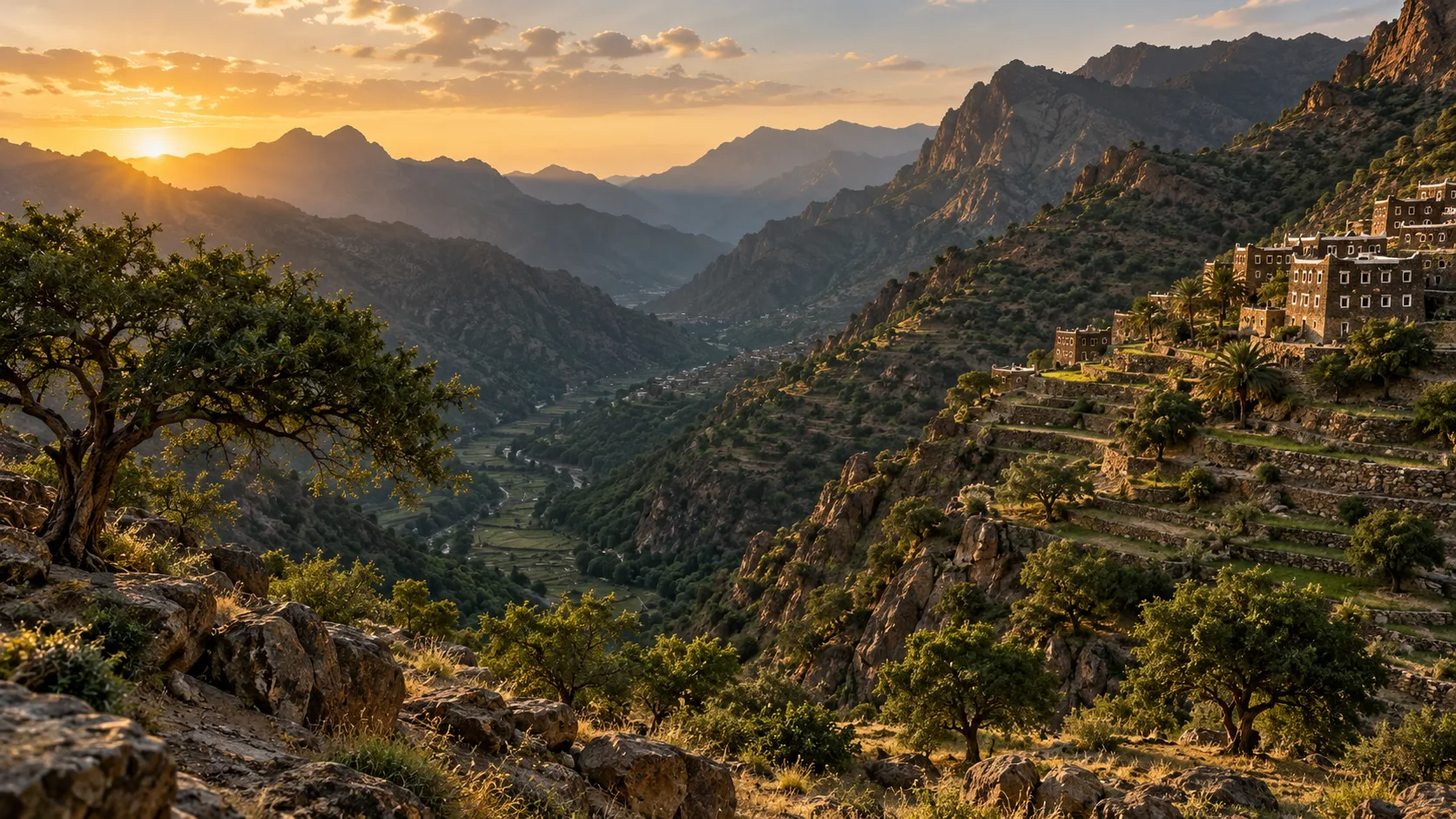
Saudi Arabia · Aseer · Rijal Almaa
Saudi Sidr
Honey
عسل السدر السعودي
A mountain Sidr from southwestern Saudi Arabia, where jujube blossom meets the hospitality culture of the highlands.
Saudi Sidr is a broad category, but the Atlas reads it here through Aseer and Rijal Almaa — a mountainous southwestern terroir where the Sidr tree belongs not to myth alone but to an inhabited landscape of terraces, peaks and inherited beekeeping.
Terroir
A mountain reading of Arabian Sidr
Rijal Almaa in Aseer offers a useful lens for Saudi Sidr: mountain elevations, inhabited valleys and a craft tradition that ties honey to hospitality as much as to trade.
The Sidr tree here yields a honey that feels generous rather than severe — a style often placed on the table for guests, with an emphasis on trust, purity and cultural pride.
| Location | Rijal Almaa, Aseer, Saudi Arabia |
| Landscape | Mountain valleys and highland apiaries |
| Floral source | Sidr / jujube blossom |
| Harvest | October to November |
| Volume | Seasonal regional harvest |
“In Saudi Arabia, Sidr often tastes of welcome as much as of blossom.“
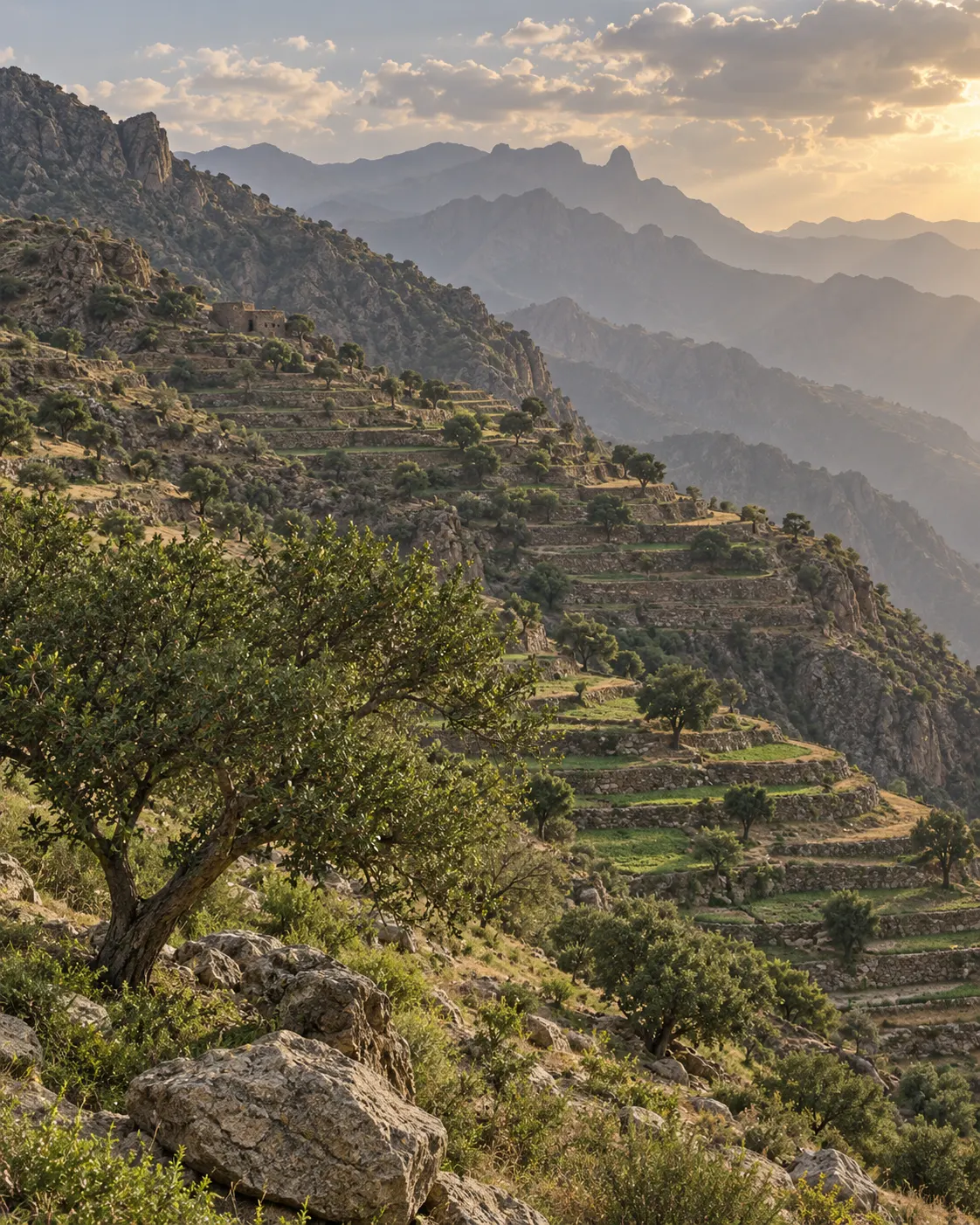 Aseer · Rijal Almaa highlands
Why it matters
Sidr beyond Yemen
Saudi Sidr should not be read only as an imitation of Yemeni Sidr. In Aseer it has its own mountain setting, its own hospitality culture and its own reasons for esteem.
Tradition
A honey of table, gift and trust
Across Saudi Arabia, good Sidr honey is not simply consumed; it is offered. It belongs to the grammar of hospitality, where a jar can function as nourishment, respect and gift at once.
That social role shapes how the honey is spoken about. Purity, authenticity and inherited beekeeping matter as much as tasting notes, because the honey is a public gesture as well as a private pleasure.
Mountain beekeeping
Mountain beekeeping
Highland apiaries work Sidr bloom in the mountains of Aseer.
Autumn harvest
Autumn harvest
The season concentrates around October and November.
Hospitality use
Hospitality use
Sidr becomes a staple of gifting and table service.
Modern market
Modern market
Named regional Saudi Sidr honeys gain wider commercial visibility.
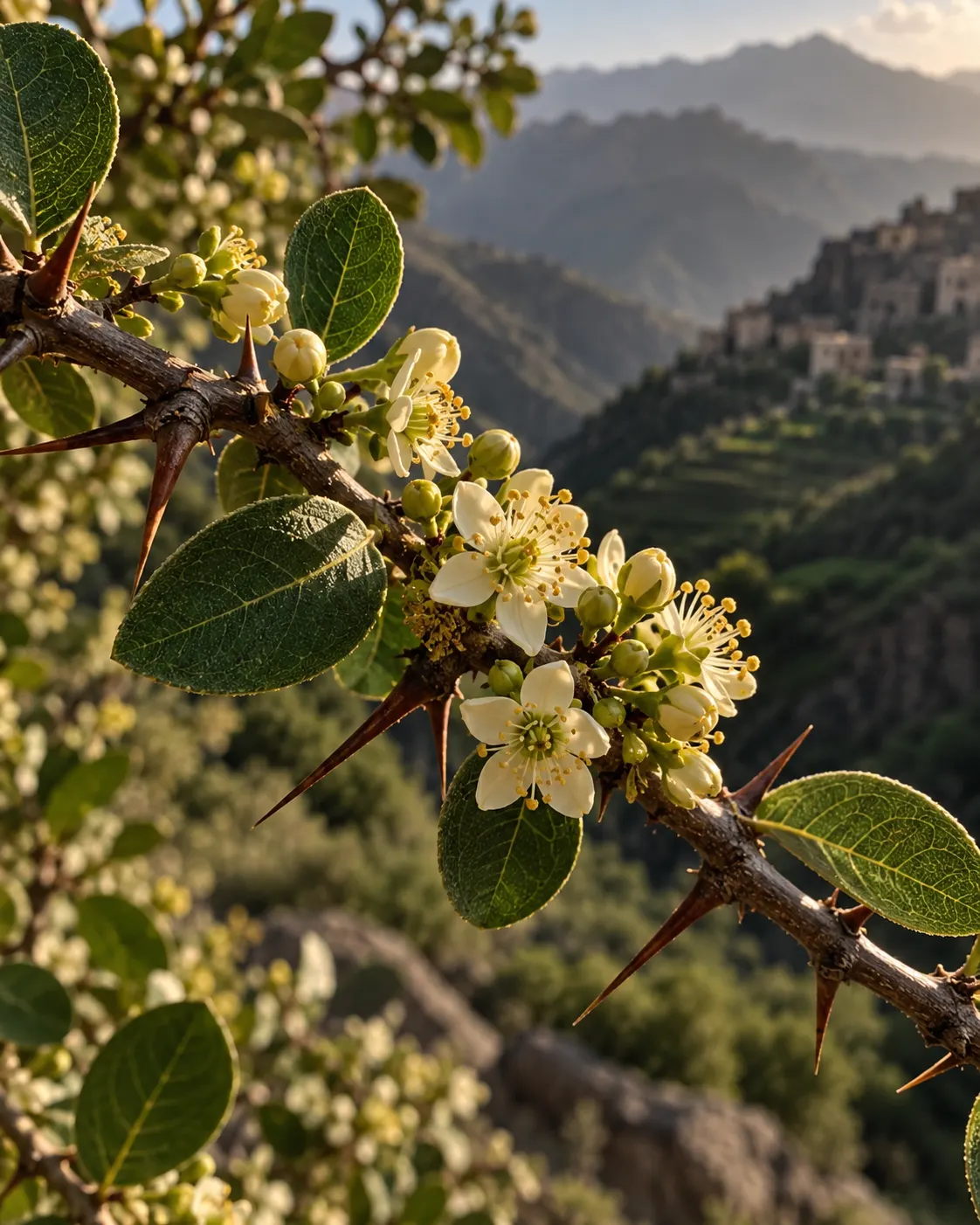 Botanical detail · Saudi Arabia
“Saudi Sidr is honey of origin, but also honey of hospitality.”
— The House of Meski
Rarity
Not mythical, but genuinely prized
Saudi Sidr is more available than some niche honeys, yet strong demand, regional identity and trust concerns keep the best lots culturally and economically important.
Why it matters
Prestige here comes from cultural trust as much as scarcity.
Beekeeping
Inherited craft in mountain country
Producers often present Saudi Sidr through lineage: families, local beekeepers and mountain knowledge carried over generations. That inherited framing is part of the honey’s identity.
The practice
For the Atlas, what matters is the resulting continuity between place, season and handling — the elements that make “Sidr” more than a label.
Sensory reading
Golden, generous, guest-ready
Texture
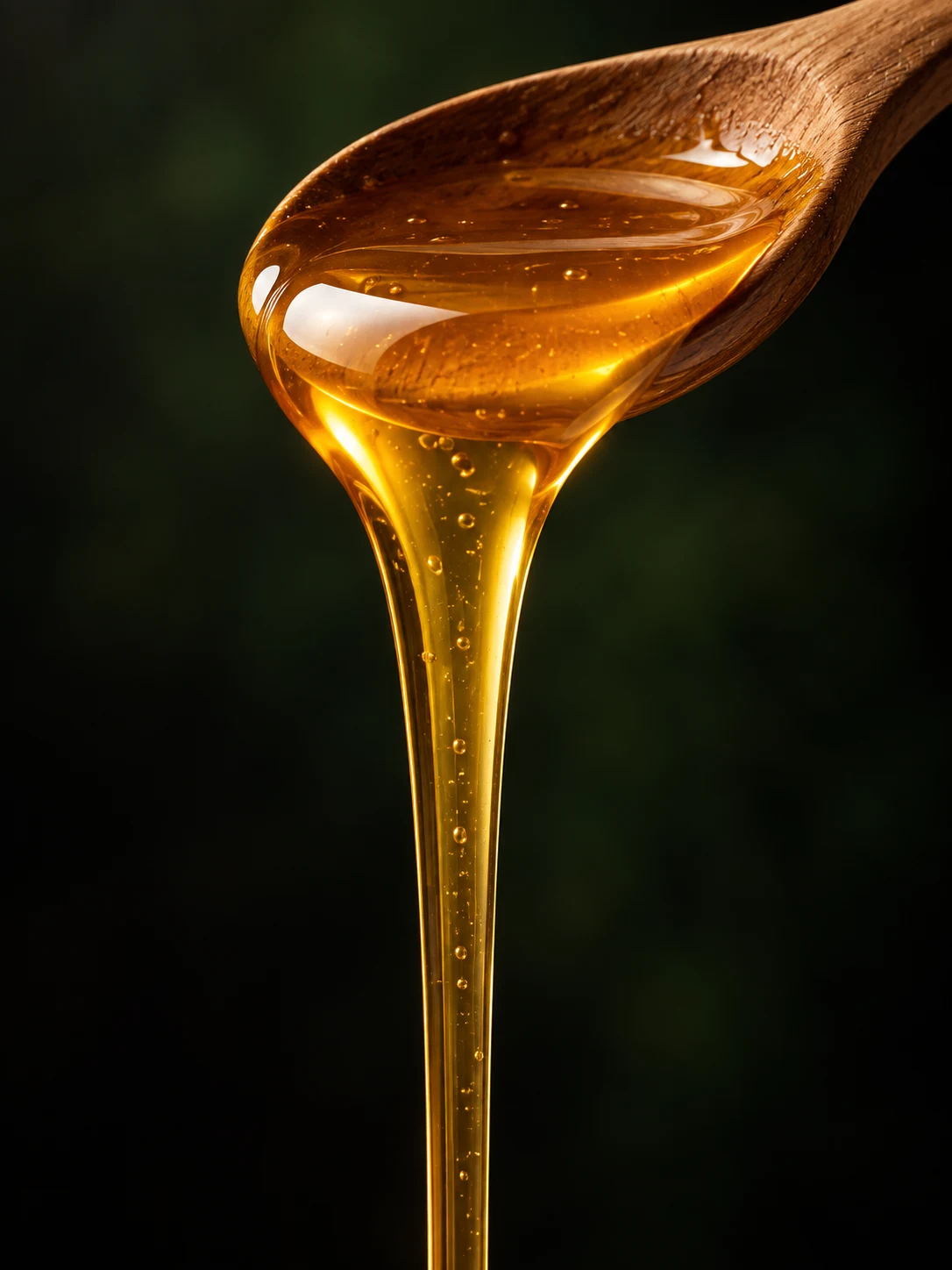
Dense and viscous, but with a spooning smoothness that makes it feel immediately hospitable.
Notebook
Tasting notebook
Saudi Sidr reads as a welcoming honey. It has body and seriousness, but its most striking trait is balance: enough richness to feel luxurious, enough calm to be offered to almost anyone.
Pairings
Ways to serve it
Meski rating
An editorial reading, not a certification
Six criteria of the House, judged in tasting. This rating describes the appellation, is revised for each lot presented, and replaces no analysis or certificate.
Provenance
The Meski Confidence Chain
Rare honey is one of the most counterfeited foods in the world, and named origins are no exception. Confidence does not come from a single certificate — it comes from a chain that stays continuous, from bloom to jar.
Read: How to read a rare honeyAnalysis describes the sample received by the laboratory. It does not automatically prove that every jar sold under the same name comes from that sample. A continuous chain does.
Continue the Atlas
An origin is never alone
Compare not to name a winner, but to understand what place, season and craft shift in the cup.