
Algeria · Laghouat & Djelfa · Semi-Arid Highlands
Algerian Sidr
Honey
عسل السدرة الجزائري
A North African Sidr that is botanically its own thing: Ziziphus lotus, not the Ziziphus spina-christi behind most Arabian Sidr.
Algerian jujube honey is one of the best examples of why common names can mislead. Locally called sedra or Sidr, the honey studied in central and southern Algeria is dominated by Ziziphus lotus — a different jujube species from the tree behind Yemeni Sidr.
Terroir
Sidr, but not the Arabian Sidr tree
Ziziphus lotus is a thorny deciduous shrub of Mediterranean and Saharan drylands. In Algeria it thrives in semi-arid terrain and provides an important nectar source for bees.
Studies of honey from Laghouat, Djelfa and southern Algeria confirm Ziziphus lotus as the dominant pollen source in genuine unifloral samples, giving this honey a clear botanical identity.
| Location | Central and southern Algeria, including Laghouat and Djelfa |
| Landscape | Semi-arid highlands, steppe and rocky dryland |
| Floral source | Ziziphus lotus — locally Sedra / jujube |
| Bloom | Mainly late spring to early summer; often May–June in honey zones |
| Character | Warm caramelised, floral-fruity and woody |
“The name says Sidr. The pollen says Ziziphus lotus.“
 Laghouat & Djelfa · Algeria
Botanical distinction
Do not copy-paste the Yemeni Sidr story
Algerian “Sidr” can be genuine and excellent while still being botanically different. Ziziphus lotus deserves to be named rather than hidden under a generic Arabian template.
Tradition
A serious regional honey with almost no international fame
Algerian jujube honey is well known to local beekeepers but remains far less visible internationally than Yemeni or Saudi Sidr. That imbalance says more about trade and branding than about botanical legitimacy.
Scientific pollen and sensory studies now give the honey something unusually valuable for a regional product: a documented profile rather than only seller descriptions.
Dryland shrub
Dryland shrub
Ziziphus lotus anchors semi-arid vegetation.
May–Jun
May–Jun
Bloom becomes an important forage period in southern honey zones.
2010s–2020s
2010s–2020s
Algerian researchers characterise its pollen and chemistry.
Today
Today
The honey has a strong scientific case for regional recognition.
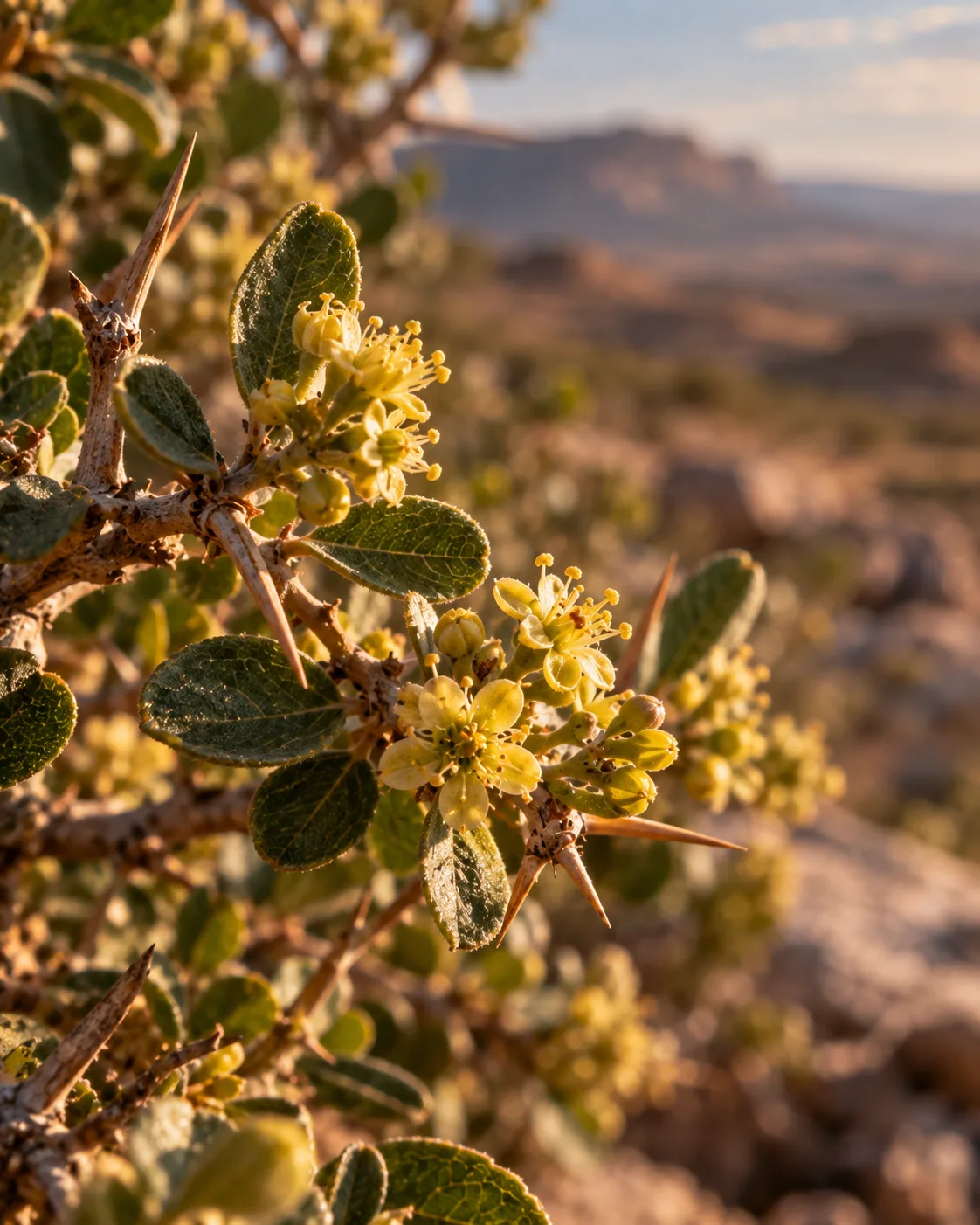 Botanical detail · Algeria
“Not every Sidr comes from the same tree.”
— The House of Meski
Rarity
Under-recognised rather than mythical
This honey does not need inflated rarity claims. Its value lies in a real unifloral identity, a distinct species and a sensory profile supported by analysis.
Why it matters to the Atlas
It proves that “Sidr” is a cultural family name, not a single global botanical species.
Beekeeping
A dryland forage that researchers can actually see in the pollen
For beekeepers, jujube bloom is a valuable seasonal nectar source. For the Atlas, the important extra layer is that the pollen signature has been repeatedly measured.
The practice
That makes Algerian jujube honey a strong case study in how regional appellations can be supported by both taste and melissopalynology.
Sensory reading
Warm caramel, fruit and wood
Texture
Medium-bodied and smooth; exact crystallisation varies by lot.
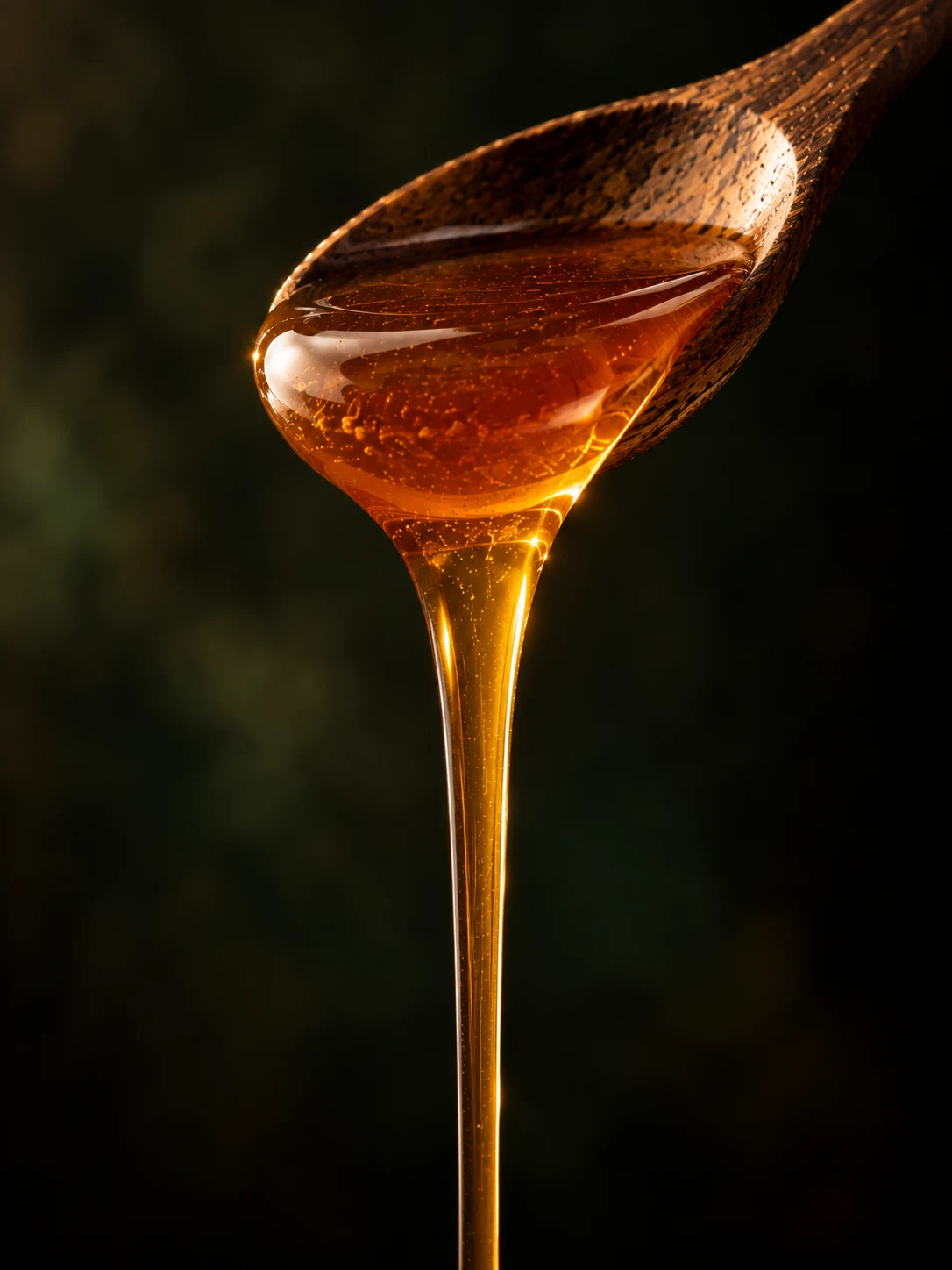
Harvest notebook
One of the Atlas’s best evidence-led profiles
Here the tasting vocabulary is not invented from a marketing page. Published sensory work on Algerian Ziziphus lotus honey reports warm, caramelised, floral-fruity and woody classes — unusually useful detail for an Atlas entry.
Pairings
How to serve it
Bittersweet and full-bodied — treat it as a rare thing to taste alone before adding anything else.
Meski rating
An editorial reading, not a certification
Six criteria of the House, judged in tasting. This rating describes the appellation, is revised for each lot presented, and replaces no analysis or certificate.
Provenance
The Meski Confidence Chain
Rare honey is one of the most counterfeited foods in the world, and Sidr is no exception. Confidence does not come from a single certificate — it comes from a chain that stays continuous, from bloom to jar.
Read: How to read a rare honeyAnalysis describes the sample received by the laboratory. It does not automatically prove that every jar sold under the same name comes from that sample. A continuous chain does.
Continue the Atlas
An origin is never an island
Compare not to name a winner, but to understand what place, season and craft shift in the cup.