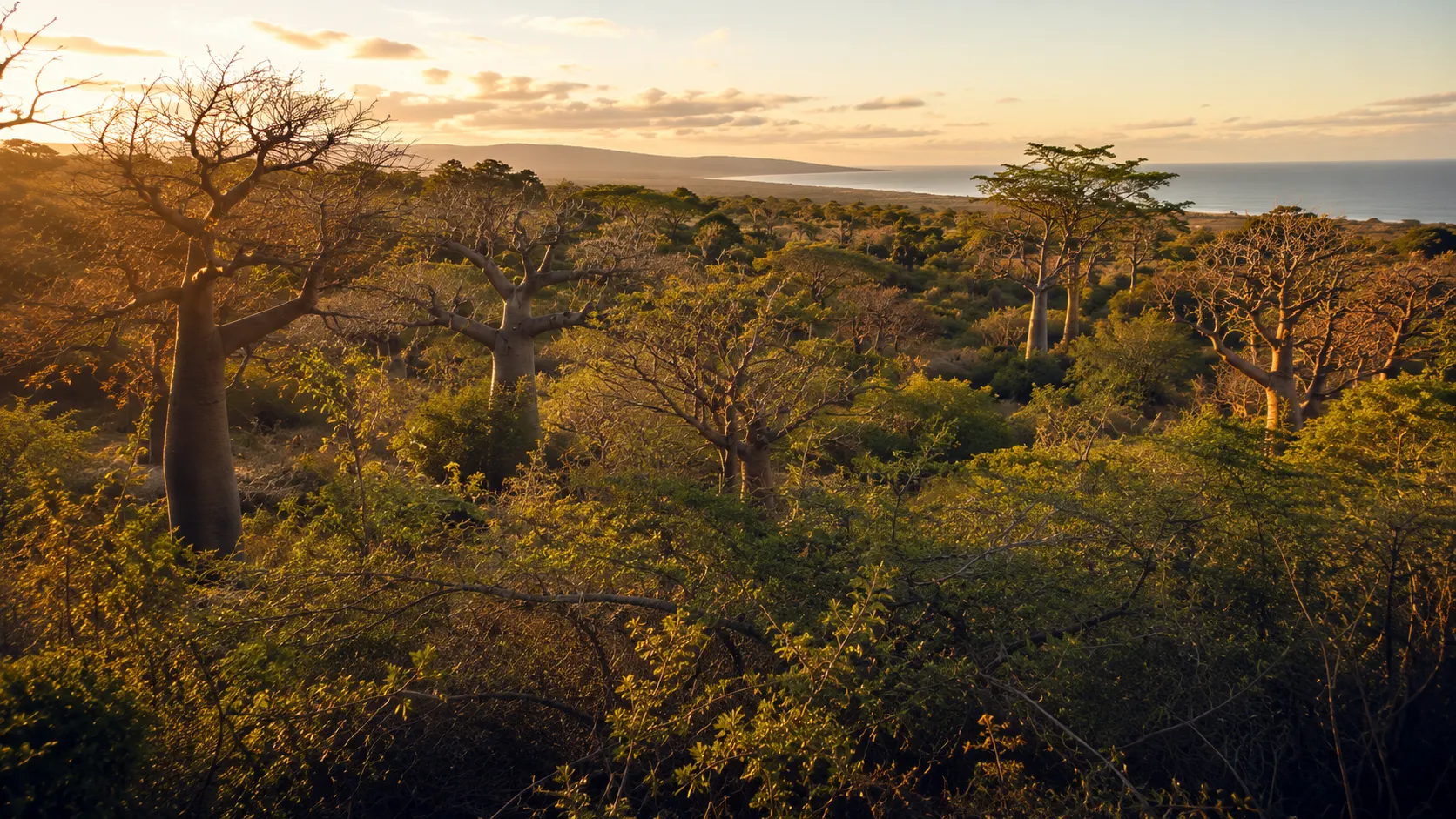
Madagascar · West Coast
Madagascar
Sidr Honey
عسل العناب المدغشقري
A honey born of a tree that was never meant to be here.
Ziziphus jujuba was introduced to Madagascar, not native to it — and today it spreads through the island’s western dry forests as an invasive species. This is the one honey in the Atlas whose origin is, honestly, a small ecological problem.
Terroir
The dry forests of the west
Madagascar’s western coast holds some of the island’s last dry deciduous forest — a habitat found almost nowhere else, home to species that exist only here. It is into this landscape that the jujube has spread.
Locally called mokonazy, the tree is known and used across the island — its fruit eaten fresh or dried, sometimes made into jam — long before anyone thought to harvest its honey.
| Location | Western coastal dry forest belt, Madagascar |
| Landscape | Dry deciduous forest and scrub, threatened habitat |
| Tree | Jujube — Ziziphus jujuba, introduced and invasive |
| Local name | Mokonazy (Malagasy) |
| Harvest | Small-scale, tied to regional jujube flowering |
“Not every honey in this Atlas comes from a tree the world agrees should be there.“
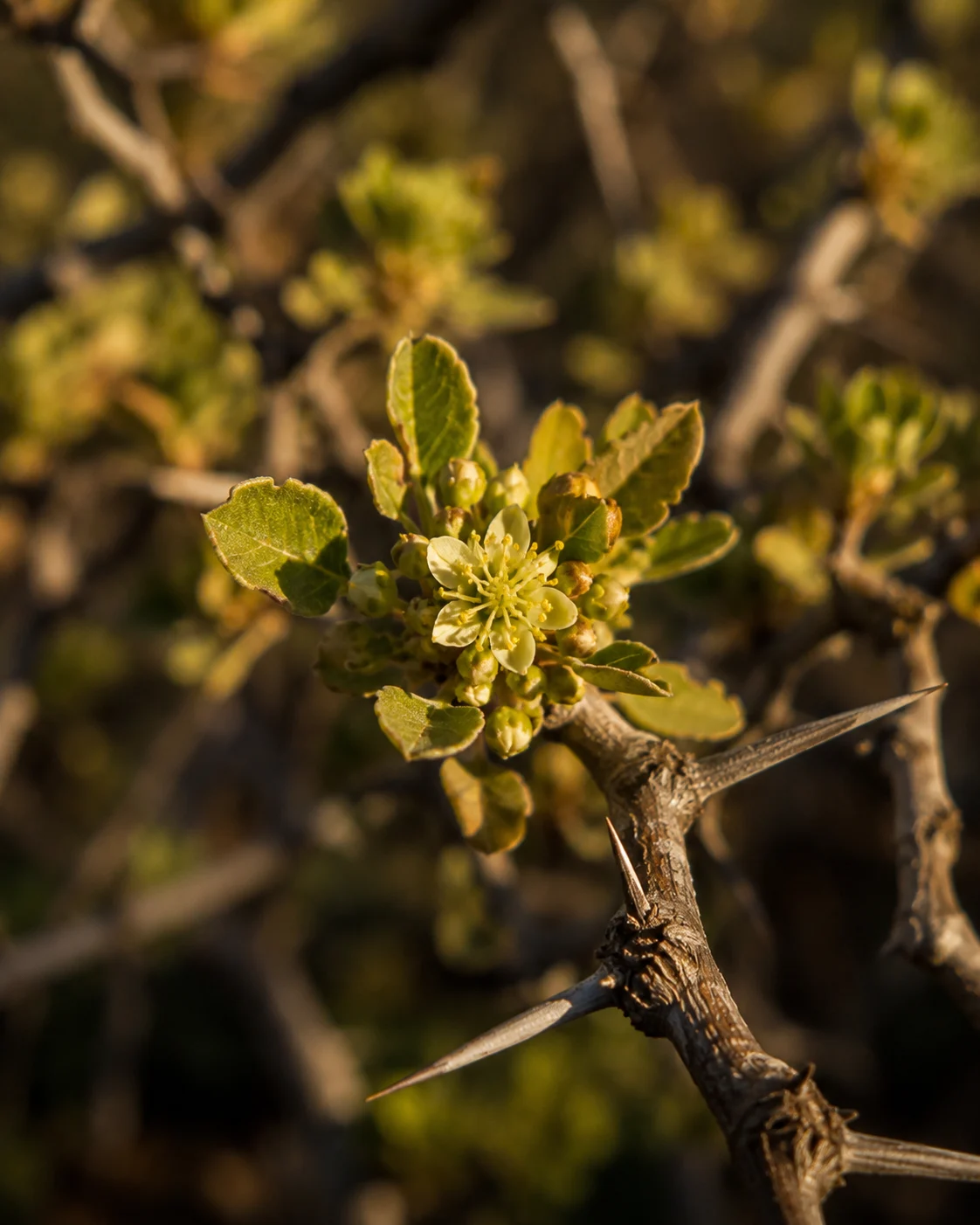 West coast · Madagascar
Tradition
An uninvited tree
Ziziphus jujuba is not native to Madagascar. It arrived introduced, and along the island’s west coast it now spreads as an invasive species — pressing into dry forest that supports plants and animals found nowhere else on Earth.
This is not the story the Atlas tells about its other honeys. There is no ancient reverence here, no centuries of documented harvest. Just a tree that should not be where it is, and the honey bees make from it anyway.
The Atlas does not resolve this tension for the reader. Both things are true at once, and neither cancels the other.
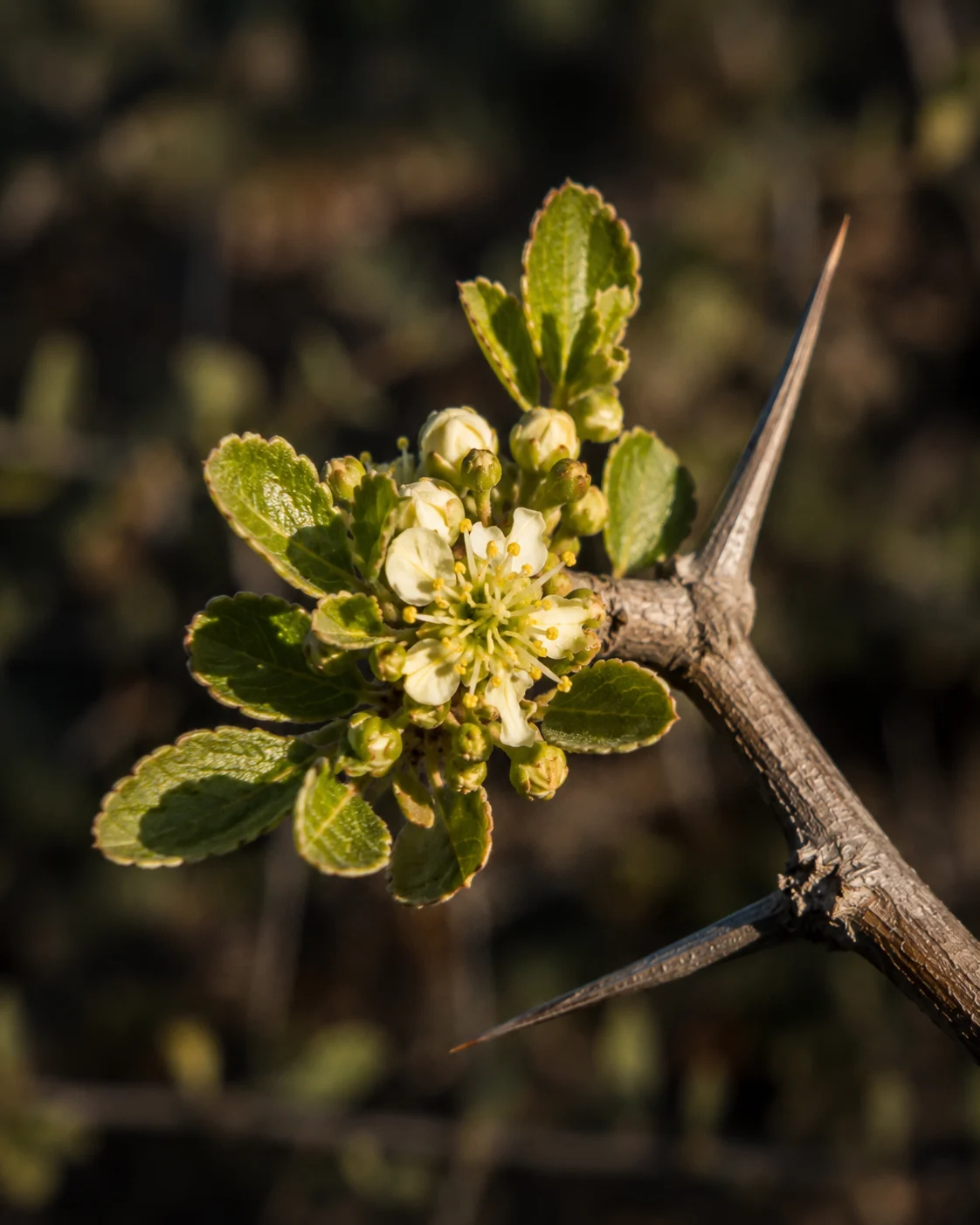 Jujube · western Madagascar
“Even a tree nobody asked for can still make something worth tasting.”
— The House of Meski
Rarity
Rare for the wrong reason
This honey is not scarce because the tree is precious — it is scarce because so few beekeepers have organised around harvesting it at all. The jujube itself is, if anything, spreading faster than anyone would like.
Why it cannot scale
Scarcity here comes from a thin, unorganised supply chain — not from the tree being hard to find.
Beekeeping
Wherever the tree has already taken hold
Beekeepers do not plant jujube for this honey — they simply follow where it has already spread, placing hives near stands that established themselves without anyone’s help.
The practice
Extraction uses standard modern equipment, the same as anywhere else producing honey for export — smoker, uncapping knife, extractor.
Sensory reading
Clean, simple, quietly deep
Texture
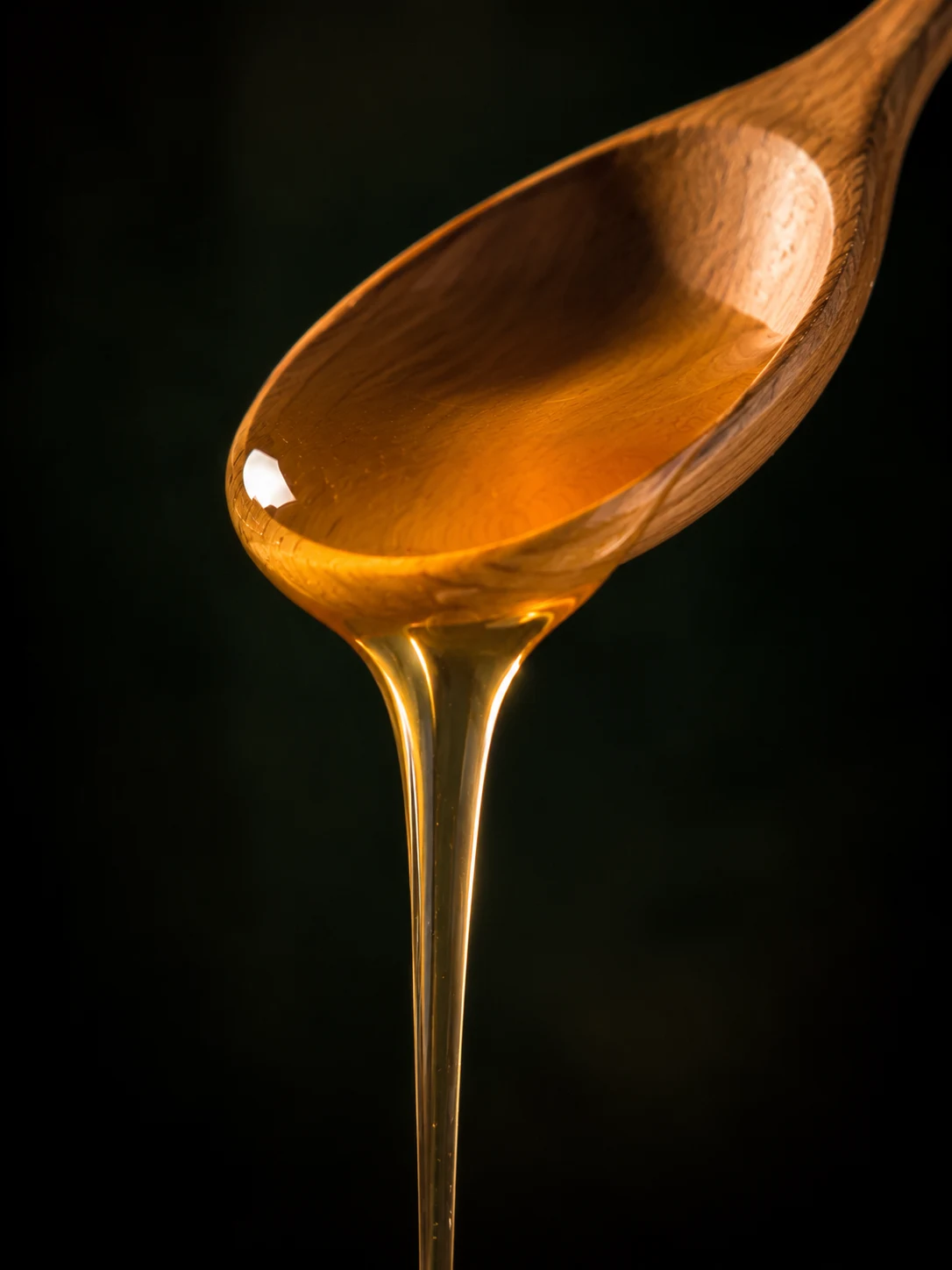
Creamy and smooth, melting quickly on the tongue — among the more straightforward honeys in the Atlas, and unapologetically so.
Harvest notebook
From the field — an unplanned harvest
No one seeded these jujube stands. They arrived, took hold, and spread along the dry coast on their own terms, the way introduced species often do.
Local beekeepers, pragmatic about it, place hives nearby when the trees flower — turning an ecological complication into a small, honest harvest.
It makes for an odd kind of honey to include in an atlas built mostly on reverence and ancient trees: this one exists because something went slightly wrong, and someone made something sweet of it anyway.
Pairings
How to serve it
Simple and clean — let it play a supporting role rather than a starring one.
Meski rating
An editorial reading, not a certification
Six criteria of the House, judged in tasting. This rating describes the appellation, is revised for each lot presented, and replaces no analysis or certificate.
Provenance
The Meski Confidence Chain
Rare honey is one of the most counterfeited foods in the world, and Sidr is no exception. Confidence does not come from a single certificate — it comes from a chain that stays continuous, from bloom to jar.
Read: How to read a rare honeyAnalysis describes the sample received by the laboratory. It does not automatically prove that every jar sold under the same name comes from that sample. A continuous chain does.
Continue the Atlas
An origin is never an island
Compare not to name a winner, but to understand what place, season and craft shift in the cup.