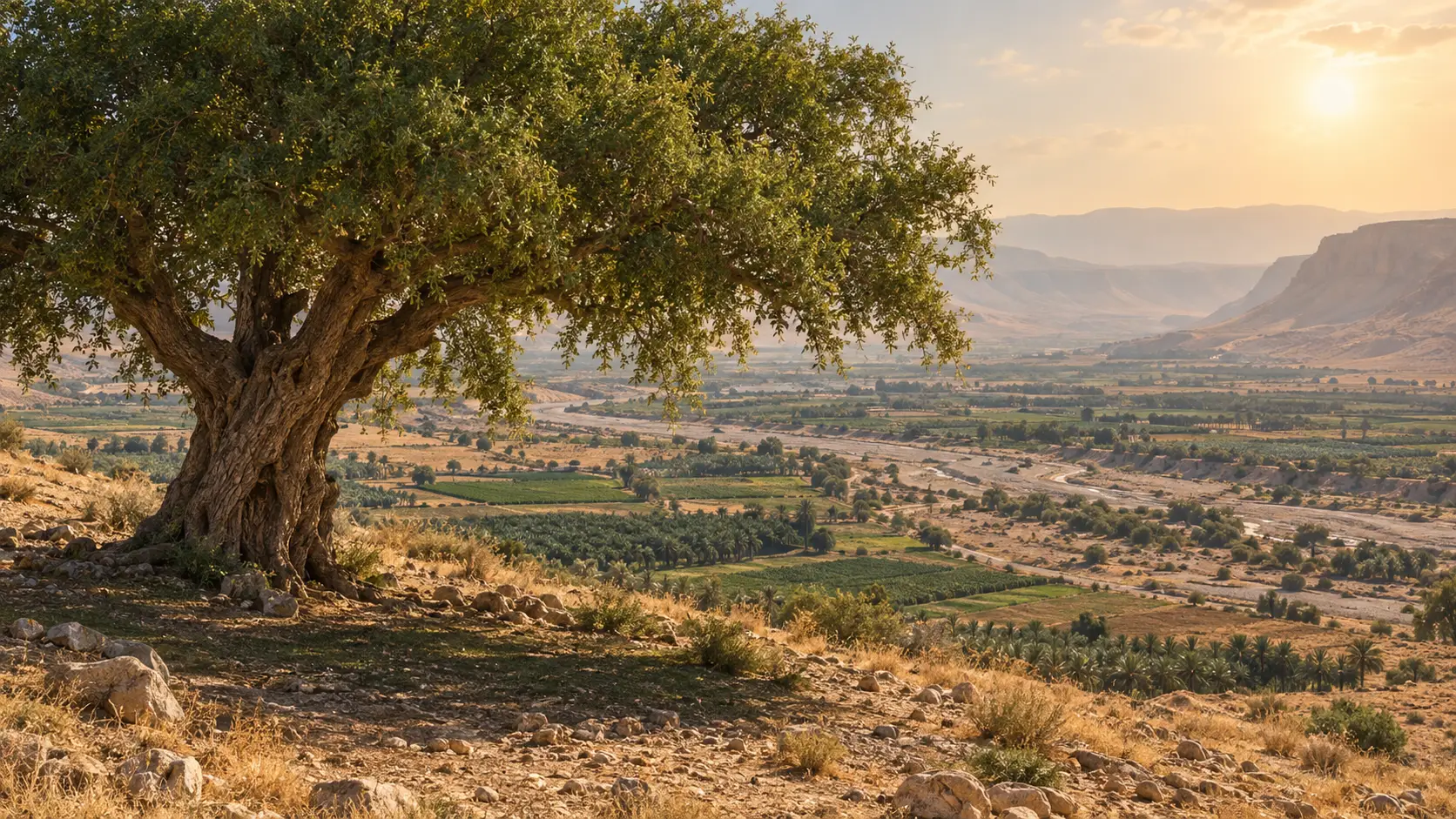
Jordan · Southern Jordan Valley · Ghor
Jordan Valley
Sidr Honey
عسل السدر الأردني
Sidr from one of the lowest agricultural landscapes on Earth, where heat gives Jordan a two-window honey season instead of one.
Jordanian Sidr is genuinely local. In the southern Jordan Valley, large Ziziphus spina-christi trees grow around Al-Rama, Al-Joufa, Kafrein, Wadi Aasal and Wadi Al-Mazraa. Local beekeepers describe two harvest windows — July and November — in a landscape defined by heat and elevation below sea level.
Terroir
Sidr below sea level
The Jordan Valley compresses climate and altitude into an unusual honey geography. The southern Ghor is intensely hot, agriculturally active and far below the highlands that rise on either side.
Sidr trees can reach impressive size here. Their presence is dense enough in specific southern areas for local beekeepers to separate Sidr honey as its own seasonal product rather than treating it as background forage.
| Location | Southern Jordan Valley — Al-Rama, Al-Joufa, Kafrein, Wadi Aasal, Wadi Al-Mazraa |
| Landscape | Hot low-elevation Jordan Valley agriculture and wadis |
| Floral source | Ziziphus spina-christi |
| Harvest | Two local harvest windows: July and November |
| Character | Medium amber, less overtly sweet than many table honeys |
"Most Sidr stories climb mountains. Jordan’s drops toward the lowest cultivated valley on Earth."
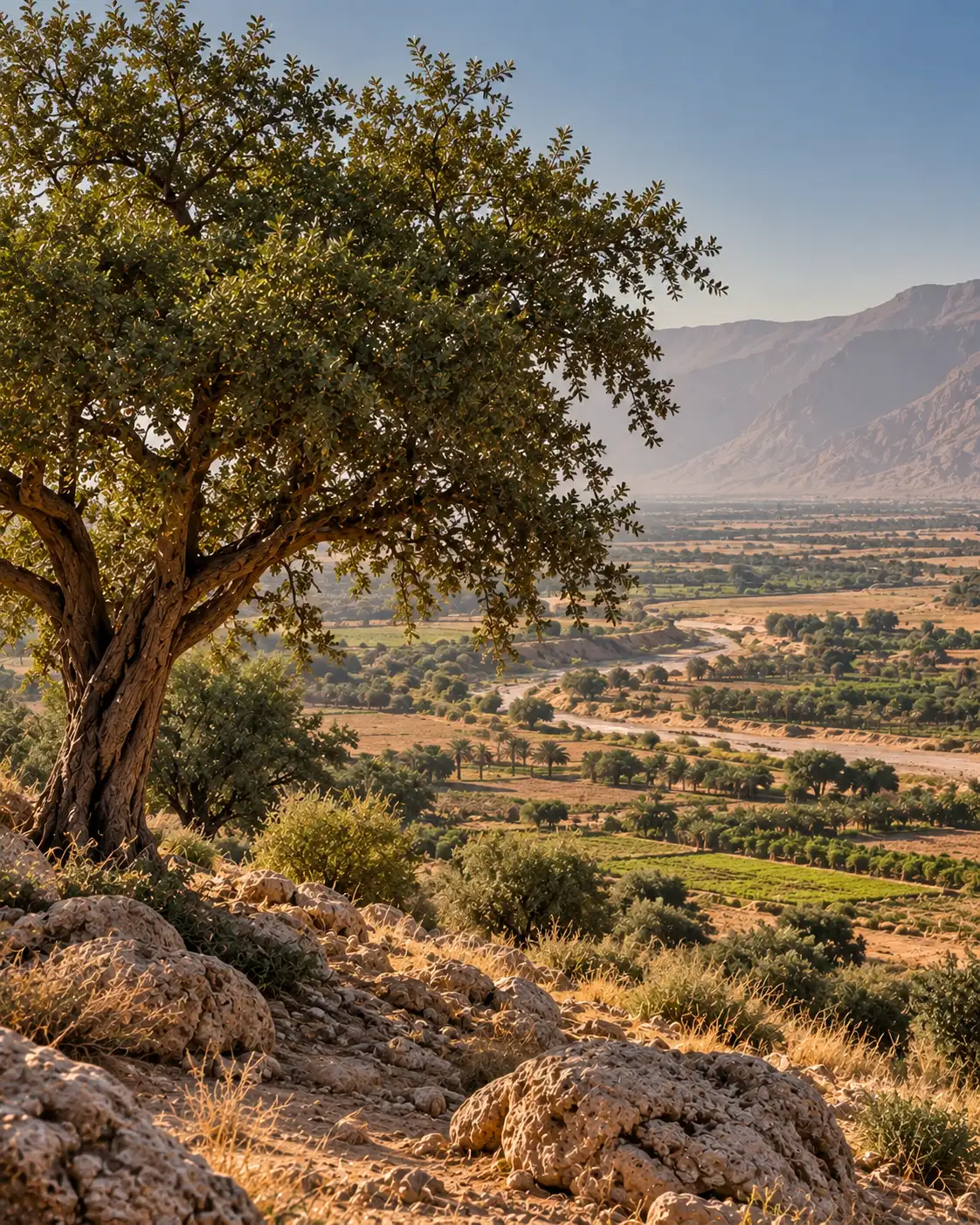 Southern Jordan Valley · Al-Rama · Al-Joufa · Kafrein · Wadi Al-Mazraa
What makes Jordan unusual
One tree, two harvest windows
A July crop and a November crop immediately make Jordanian Sidr worth separating in the Atlas. It reminds us that a tree’s flowering rhythm is climate-specific: the same species does not keep the same calendar everywhere.
Tradition
A local Sidr hidden in plain sight
Jordan is better known internationally for olive oil, za’atar and highland landscapes than for Sidr honey. Yet the southern Jordan Valley contains substantial mature trees and a local beekeeping market around them.
That low international visibility is part of the appeal. This is not a category built by export prestige first; it is a regional honey that existed before most outside buyers knew to ask for it.
Old valley tree
Old valley tree
Sidr remains part of the Jordan Valley’s native and cultivated landscape.
Local apiaries
Local apiaries
Beekeepers identify southern Ghor sites where the tree is abundant enough for a clear flow.
Two seasons
Two seasons
Summer and late-autumn harvests create distinct production windows.
Today
Today
Jordanian Sidr is beginning to reach buyers who assumed the category belonged only to Arabia farther south.
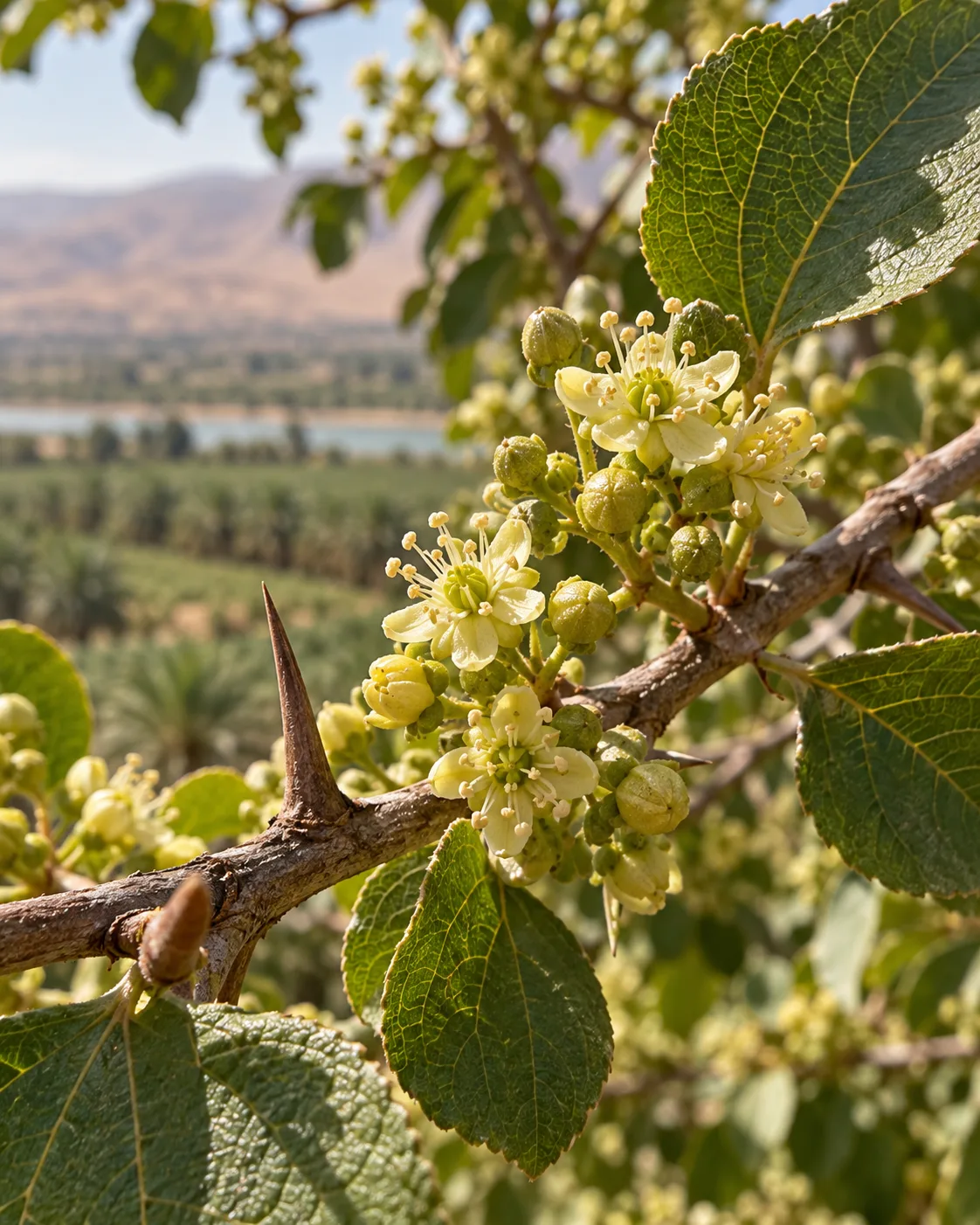 Floral source · Jordan
"Jordanian Sidr grows at the bottom of the valley, not at the edge of the story."
— The House of Meski
Rarity
Rare internationally, not imaginary locally
Jordanian Sidr is not scarce because the tree barely exists; it is scarce internationally because most of the trade remains domestic and production is concentrated in specific valley zones.
Why it matters
Its obscurity outside Jordan is a market fact, not a botanical one.
Beekeeping
The season ends with Sidr
Local beekeepers describe Sidr as a demanding late-season honey after a long working year, with summer heat adding pressure to colony management.
The practice
The second harvest window in November gives the category another rhythm, making Jordan one of the more unusual Sidr calendars in the Atlas.
Sensory reading
Less sweet, more restrained
Texture
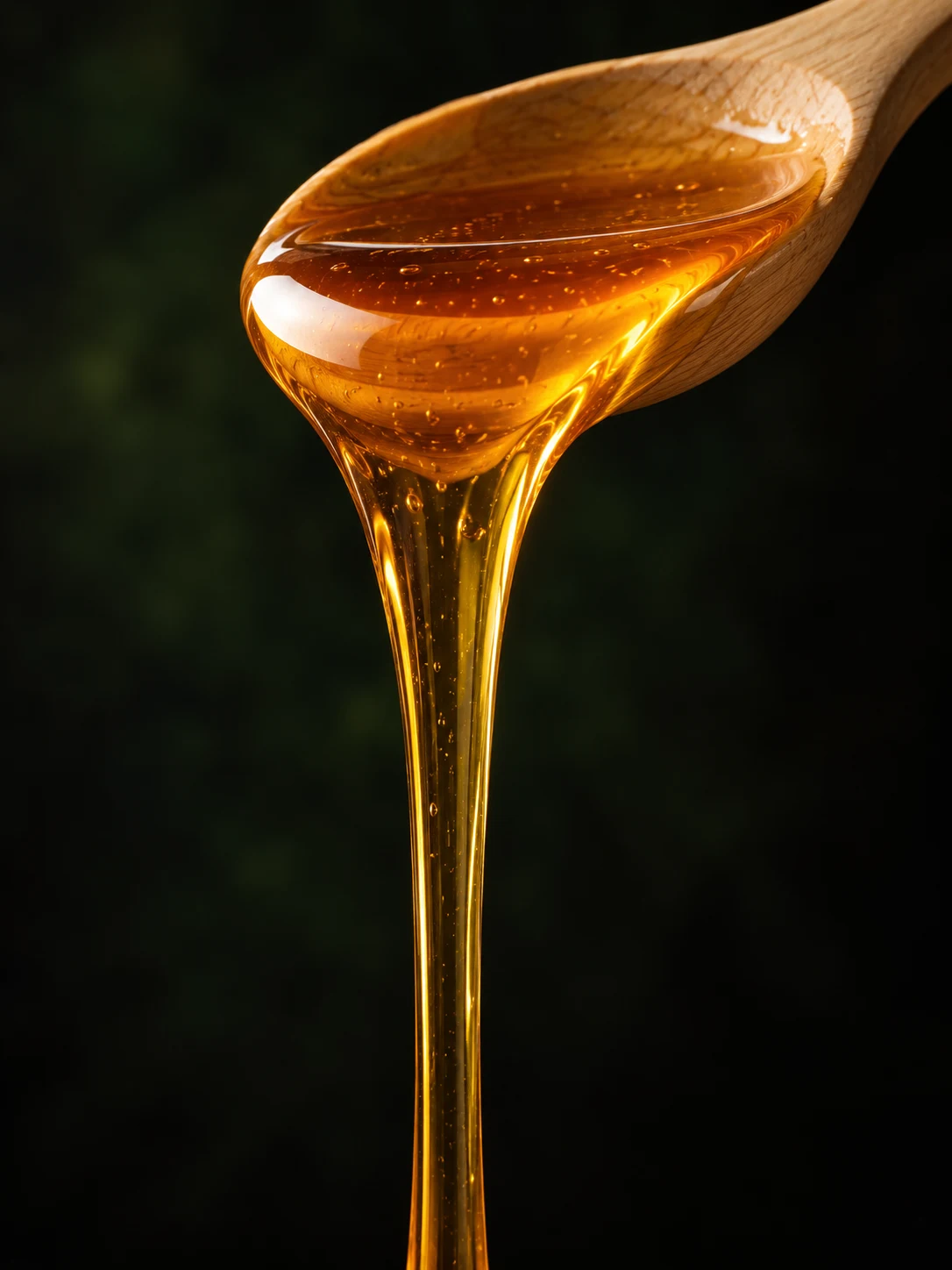
Smooth and medium-dense, with less of the syrupy weight associated with very dark Sidr.
Harvest notebook
From the field — a valley that changes the calendar
The most interesting detail is not a tasting note but a date: July, then November.
That split harvest forces the Atlas to treat the Jordan Valley as a climate of its own rather than as generic “Middle East”.
If terroir means anything, it should be able to change not only flavour but the beekeeper’s calendar.
Pairings
How to serve it
Its restrained sweetness makes it unusually easy to use at the table.
Meski rating
An editorial reading, not a certification
Six criteria of the House, judged in tasting. This rating describes the appellation, is revised for each lot presented, and replaces no analysis or certificate.
Provenance
The Meski Confidence Chain
Rare honey is one of the most counterfeited foods in the world, and named floral origins are no exception. Confidence does not come from one adjective or one certificate — it comes from a chain that stays continuous, from bloom to jar.
Read: How to read a rare honeyAnalysis describes the sample received by the laboratory. It does not automatically prove that every jar sold under the same name comes from that sample. A continuous chain does.
Continue the Atlas
An origin is never an island
Compare not to name a winner, but to understand what place, season and craft shift in the cup.