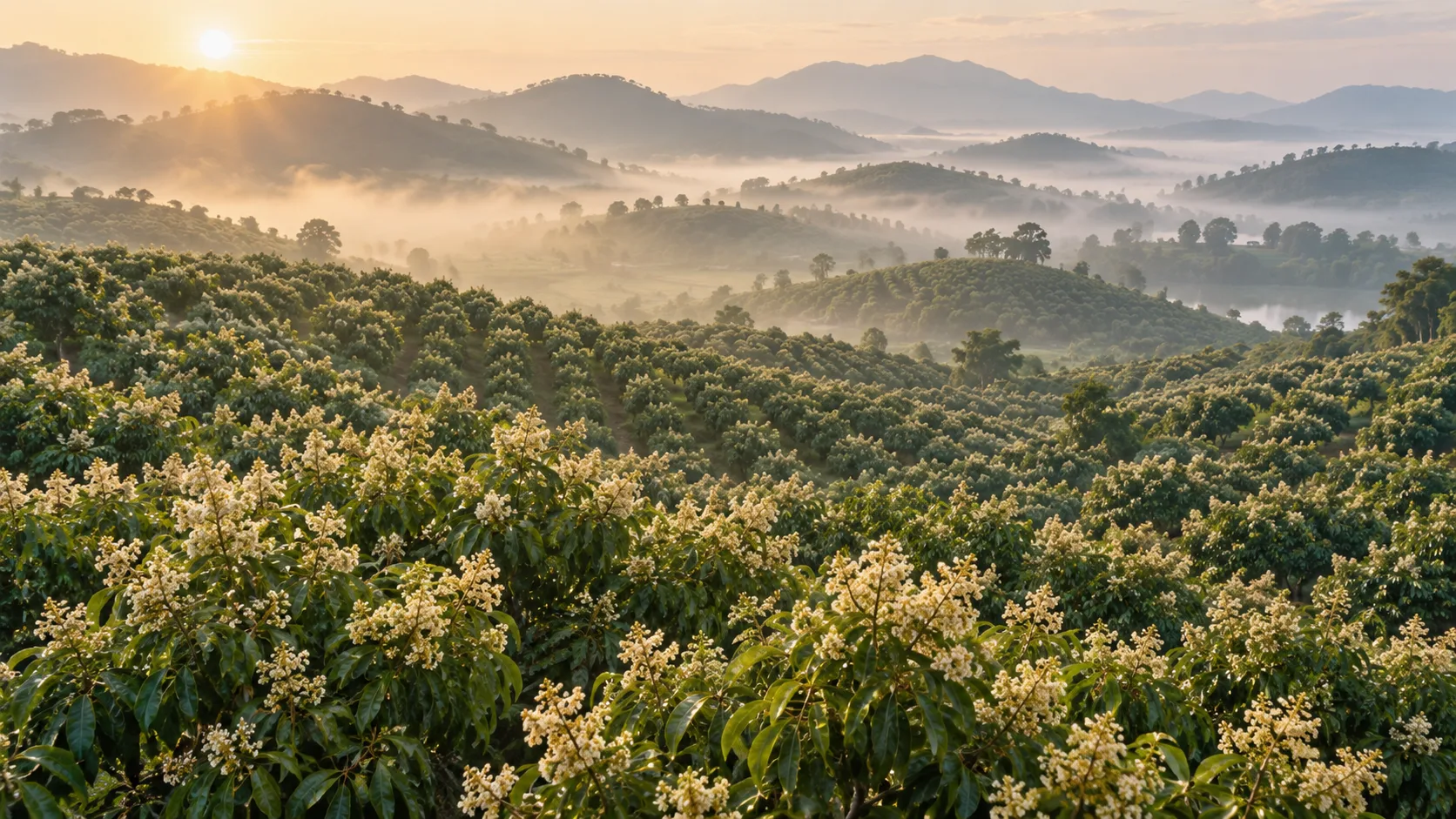
Vietnam · Bắc Giang · Lục Ngạn
Luc Ngan
Lychee Honey
عسل زهر الليتشي الفيتنامي
A pale northern honey made when one of Vietnam’s great lychee districts turns white with blossom.
Lục Ngạn is known for lychee fruit, but its quieter harvest begins before the fruit exists. When the trees flower, hundreds of mobile beekeeping units arrive. For a few weeks, the orchard becomes a honey landscape.
Terroir
The lychee district before harvest season
Lục Ngạn, in Bắc Giang Province, is one of Vietnam’s best known lychee growing districts. Orchard slopes and village roads are dominated by the tree, creating an unusually concentrated floral source when blossom opens.
The honey season is short enough that beekeepers travel in with colonies from other regions. The crop depends on a month of bloom, and on the weather remaining calm enough for bees to work it.
| Location | Lục Ngạn, Bắc Giang, northern Vietnam |
| Landscape | Large lychee orchard district among low hills |
| Floral source | Lychee blossom, Litchi chinensis |
| Harvest | Late March to April |
| Volume | Limited seasonal lots despite a large orchard base |
"The fruit made Lục Ngạn famous. The bees arrive for the chapter that comes before it."
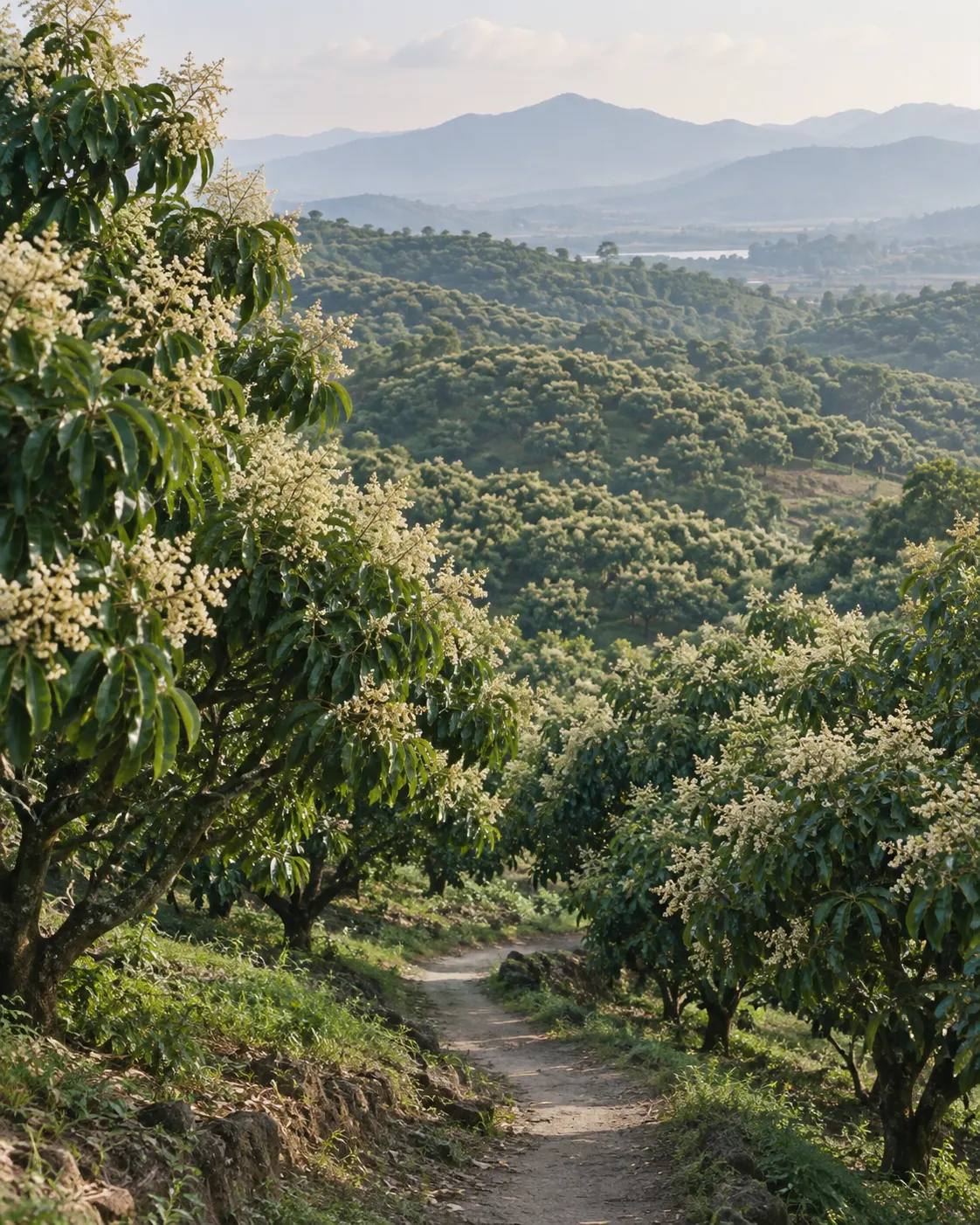 Bắc Giang · Lục Ngạn
A travelling harvest
The hives come to the orchard
The lychee bloom attracts mobile beekeepers from the south and Central Highlands. For a month, the place functions almost like a seasonal apiary city, built around flowering trees rather than streets.
Tradition
A crop shared by farmers and bees
Lychee growers want good pollination. Beekeepers want a concentrated nectar flow. In Lục Ngạn, those interests meet naturally during blossom season, making honey production part of the orchard calendar.
The resulting honey is lighter than many tropical honeys and deliberately delicate. It is the opposite of a dark forest honey: clean, fragrant and almost airy in the mouth.
Before March
Before March
Mobile colonies are prepared and moved north.
Late March
Late March
Lychee blossom begins to dominate the orchards.
April
April
Main honey extraction takes place during peak flowering.
After bloom
After bloom
The bees leave as the fruit season begins.
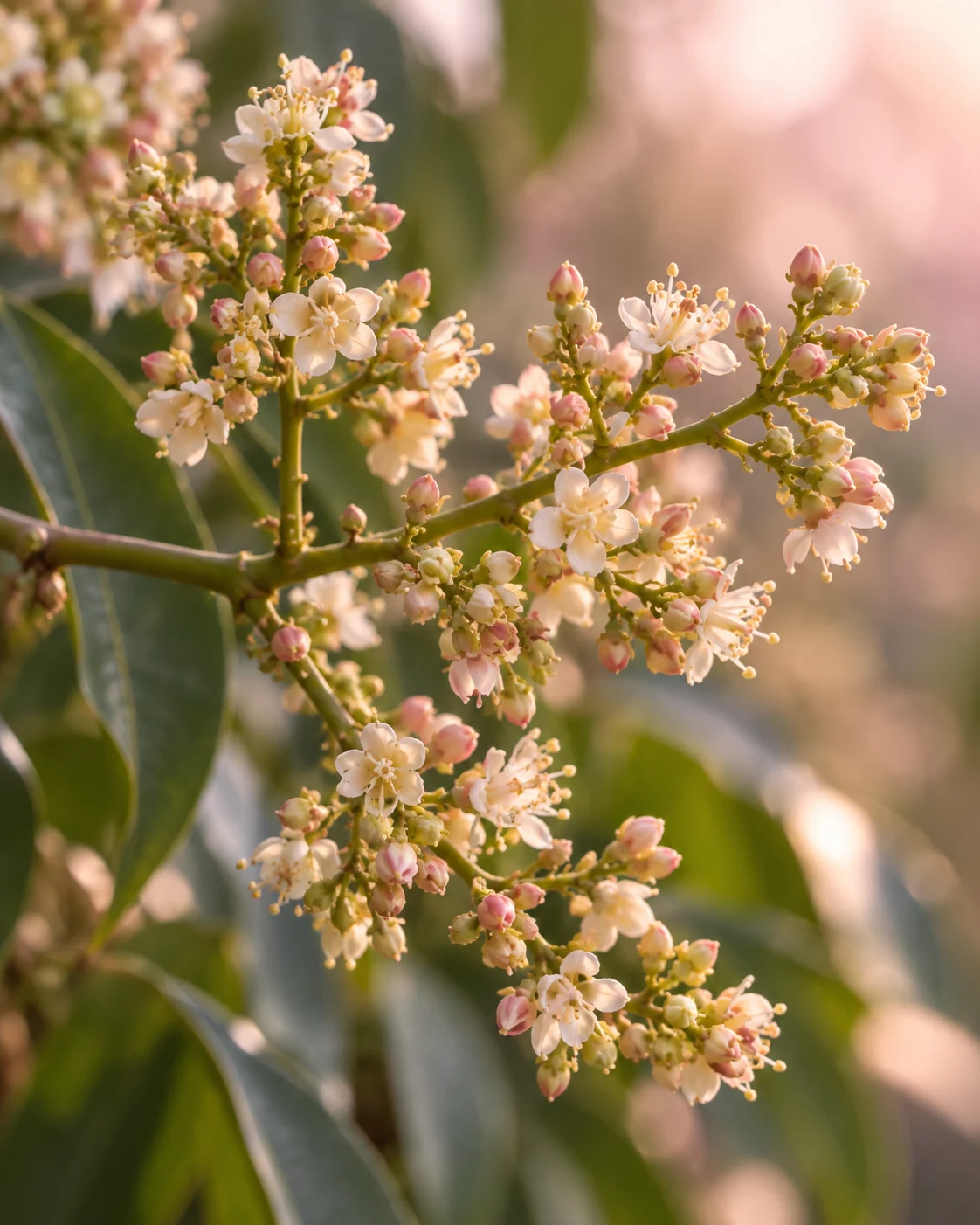 Botanical detail · Vietnam
"The lychee fruit comes later. The perfume arrives first."
The House of Meski
Rarity
A delicate honey with a logistical story
Lychee is widely cultivated, yet Lục Ngạn honey remains a seasonal product that depends on moving strong colonies into a precise orchard district for a short bloom.
Why it matters
Its lightness is part of its identity, not a lack of character.
Beekeeping
Migration by truck, then patience by hive
The scale of movement is striking. Bee trucks travel north to meet the blossom, turning an agricultural flowering period into a mobile apiculture season.
The practice
Once the colonies are placed, there is little drama to add. Good weather, open flowers and careful extraction do the work. The honey should remain pale and fragrant.
Sensory reading
Rose lightness, lychee blossom sweetness
Texture
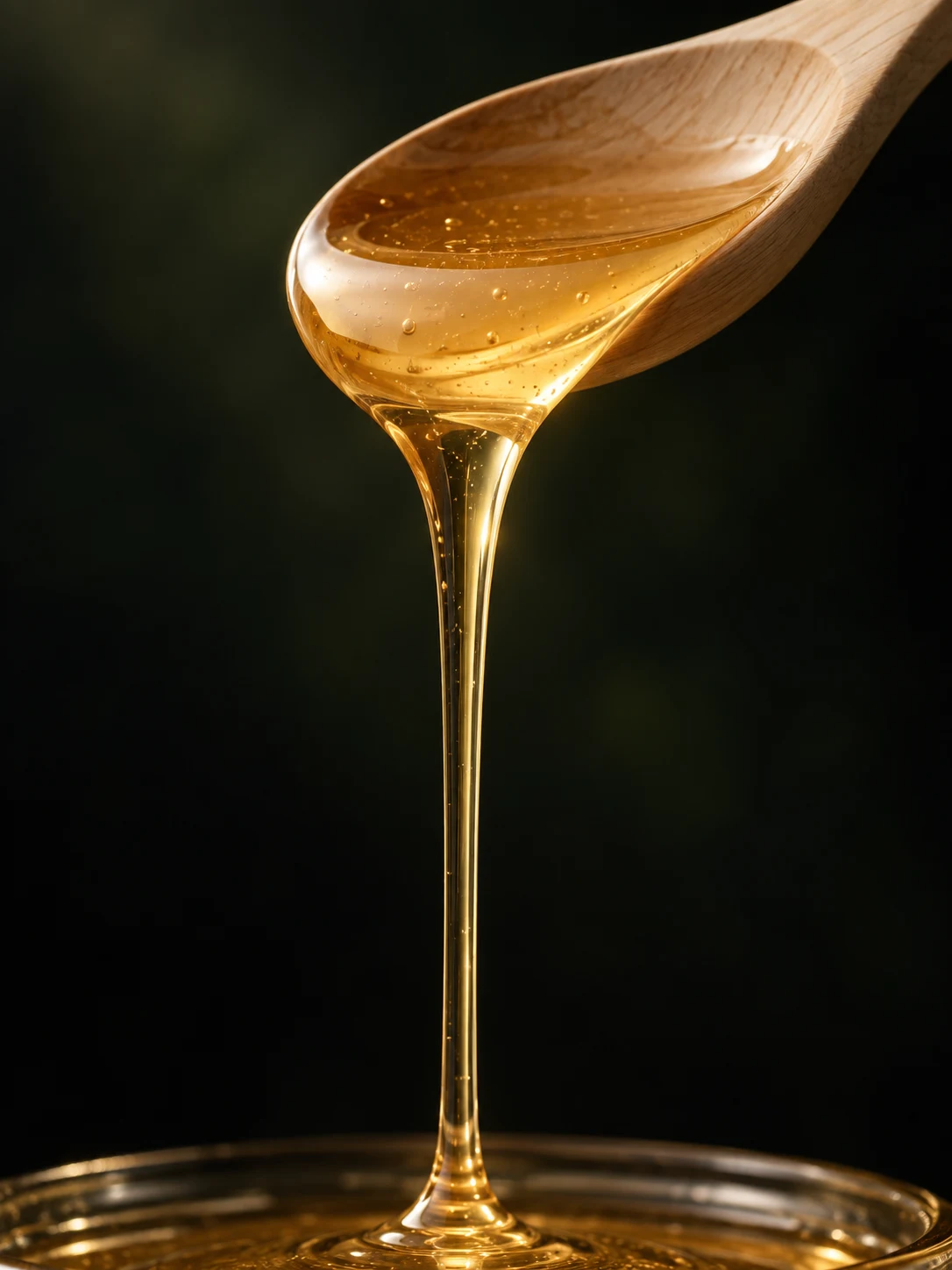
Slightly more fluid than coffee or rubber honey, with slow crystallisation in well handled lots.
Notebook
Tasting notebook
Lục Ngạn lychee honey has the manners of a light white wine. It is aromatic without shouting, sweet without weight, and most convincing when served simply enough to keep its perfume visible.
Pairings
Ways to serve it
Meski rating
An editorial reading, not a certification
Six criteria of the House, judged in tasting. This rating describes the appellation, is revised for each lot presented, and replaces no analysis or certificate.
Provenance
The Meski Confidence Chain
Named honey needs more than a beautiful origin story. Confidence comes from a chain that stays continuous from place and season to lot, sample, analysis and sealed jar.
Read: How to read a rare honeyAnalysis describes the sample received by the laboratory. It does not automatically prove that every jar sold under the same name comes from that sample. A continuous chain does.
Continue the Atlas
Vietnam changes honey faster than a map suggests
Move from northern orchard to Central Highlands plantation, Mekong wetland and mountain forest. The country stays the same. Almost everything else changes.