Vietnam · Đắk Lắk · Central Highlands
Dak Lak Coffee
Blossom Honey
عسل زهر القهوة الفيتنامي
Coffee without the bean: a highland honey gathered when Robusta plantations flower white for only a few days at a time.
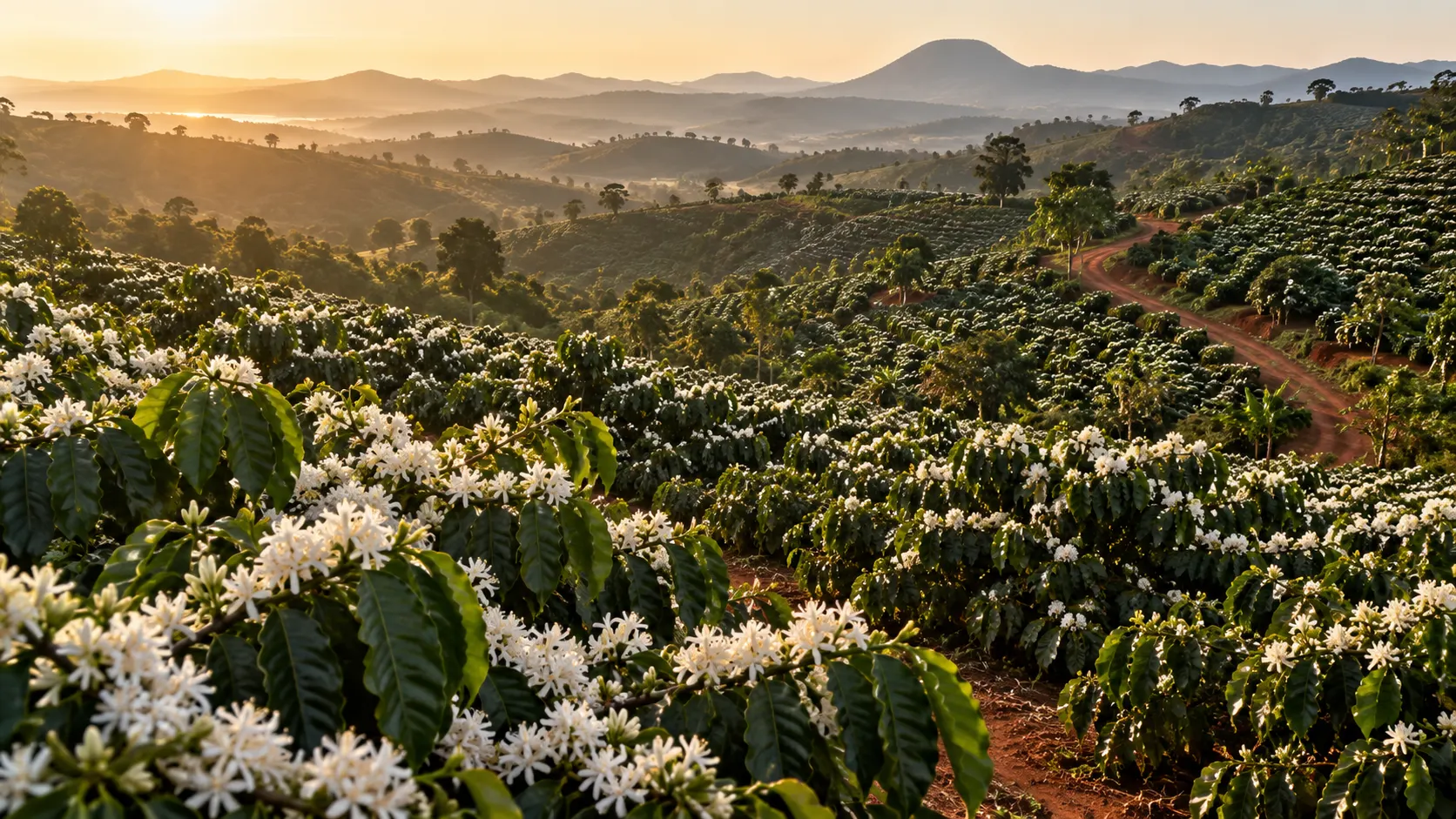
Đắk Lắk is coffee country. In February and March, after the dry months, the plantations break into white blossom. Each flowering wave lasts barely a week or two, and beekeepers follow it closely, because this is the moment coffee becomes honey.
Terroir
The white season of the Central Highlands
The basalt soils of Đắk Lắk support vast Robusta coffee plantations. When irrigation and seasonal weather trigger flowering, hills that are normally green turn briefly white and intensely fragrant.
Coffee flowers do not stay open for long. Major flowering waves often last seven to ten days, which concentrates both the beekeeping work and the aromatic identity of the crop.
| Location | Đắk Lắk, Central Highlands, Vietnam |
| Landscape | Basalt highlands and large Robusta coffee plantations |
| Floral source | Coffee blossom, mainly Coffea canephora |
| Harvest | February to March, with March often the strongest extraction |
| Marker | Caffeine has been identified as a chemical marker in Đắk Lắk coffee blossom honey |
"The most surprising thing about coffee honey is how little it needs to taste like roasted coffee."
 Đắk Lắk · Central Highlands
Coffee, before roasting exists
A flower, not a flavouring
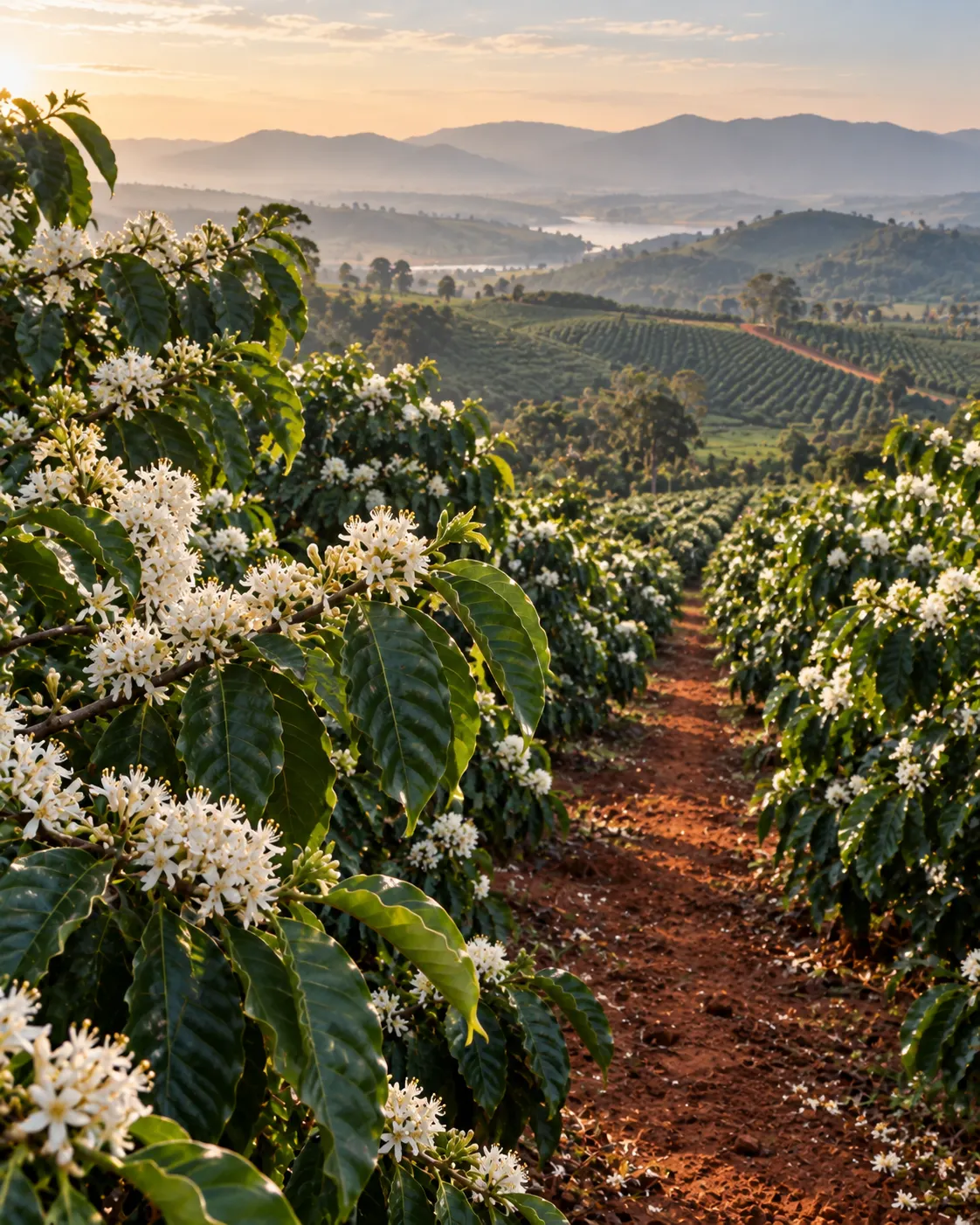
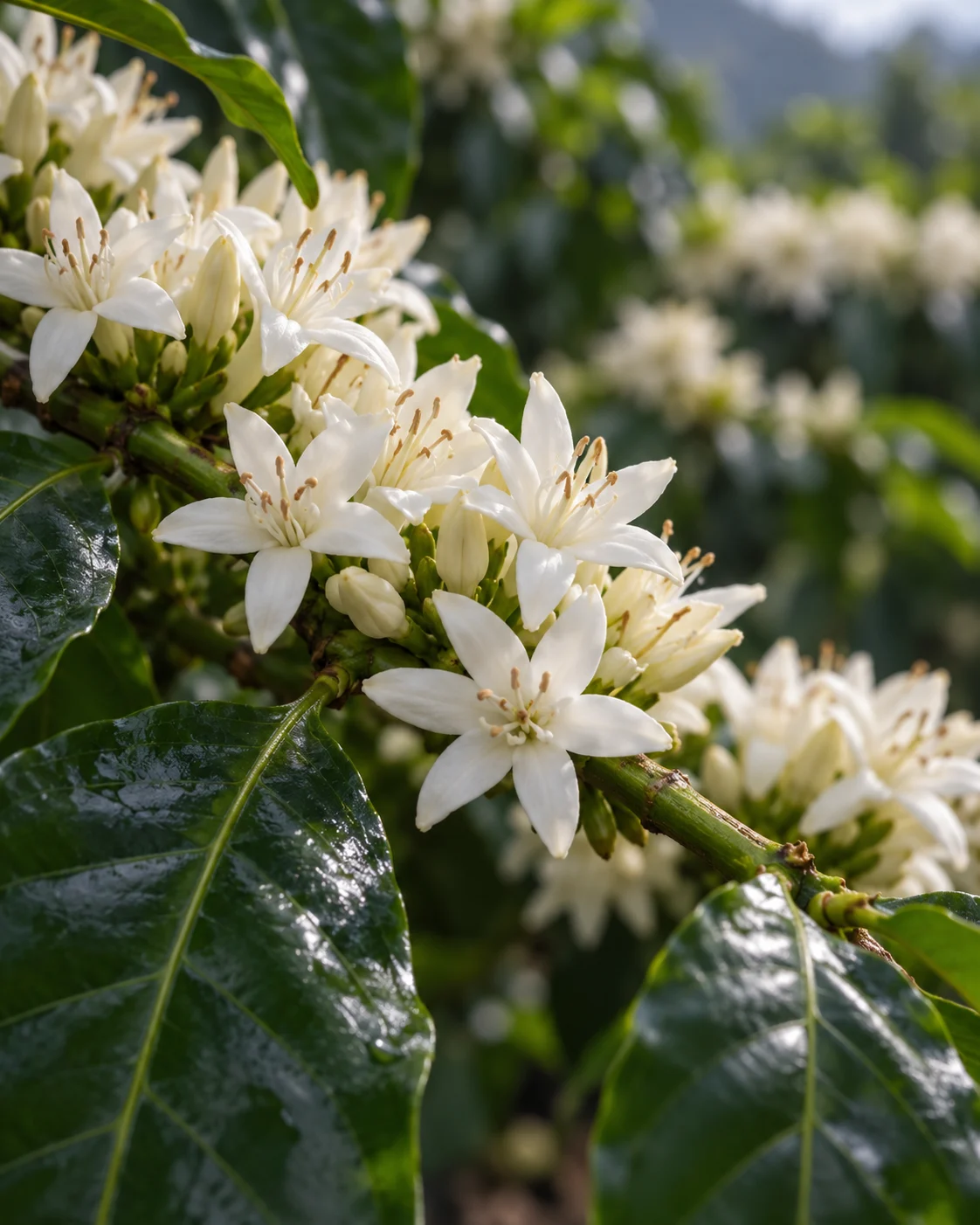
Coffee blossom honey is not honey mixed with coffee. Bees collect nectar from white coffee flowers. The connection to the cup is botanical first, sensory second.
Tradition
A modern honey from an old plantation rhythm
Coffee made Đắk Lắk famous long before coffee blossom honey became a premium product in its own right. Beekeeping fits naturally into the plantation calendar because the bloom is abundant, concentrated and predictable enough to follow.
The honey also reminds us that a crop has more than one edible story. The bean gives bitterness and roast after processing. The flower gives nectar before any of that begins.
Dry season
Dry season
Coffee trees rest and irrigation is carefully managed.
February
February
The first large white flowering waves open.
March
March
Main honey extraction follows the strongest bloom.
After blossom
After blossom
The plantation turns green again as fruit begins to form.
 Botanical detail · Vietnam
"Coffee begins as a flower long before it becomes a cup."
The House of Meski
Rarity
Common landscape, narrow moment
Đắk Lắk grows coffee on a huge scale, yet the blossom honey still comes from a remarkably short event. The landscape is vast. The nectar window is not.
Why it matters
The rarity is temporal rather than geographic.
Beekeeping
Following the white flush across the plateau
Beekeepers move colonies between coffee districts according to irrigation, altitude and flowering progress. A plantation that is green one week can be white the next.
The practice
The work rewards attention more than speed. Honey extracted too early loses maturity; honey left too long risks mixing with the next floral source.
Sensory reading
Floral first, coffee second
Texture
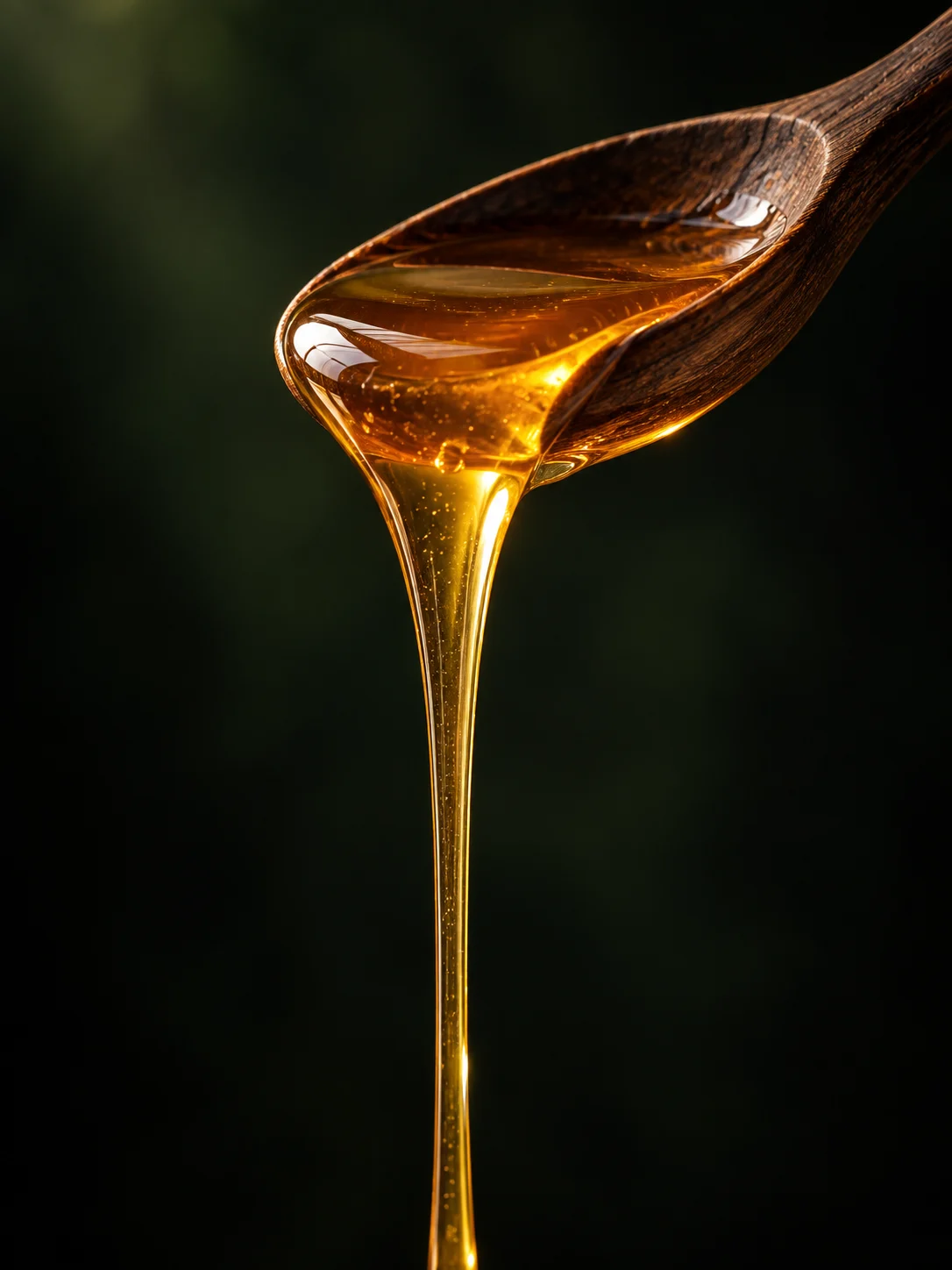
Smooth and moderately thick, usually easy pouring rather than dense.
Notebook
Tasting notebook
The best coffee blossom honey does not imitate espresso. It is more subtle than that. The pleasure lies in knowing the plant, then discovering how little the flower resembles the roasted seed.
Pairings
Ways to serve it
Meski rating
An editorial reading, not a certification
Six criteria of the House, judged in tasting. This rating describes the appellation, is revised for each lot presented, and replaces no analysis or certificate.
Provenance
The Meski Confidence Chain
Named honey needs more than a beautiful origin story. Confidence comes from a chain that stays continuous from place and season to lot, sample, analysis and sealed jar.
Read: How to read a rare honeyAnalysis describes the sample received by the laboratory. It does not automatically prove that every jar sold under the same name comes from that sample. A continuous chain does.
Continue the Atlas
Vietnam changes honey faster than a map suggests
Move from northern orchard to Central Highlands plantation, Mekong wetland and mountain forest. The country stays the same. Almost everything else changes.