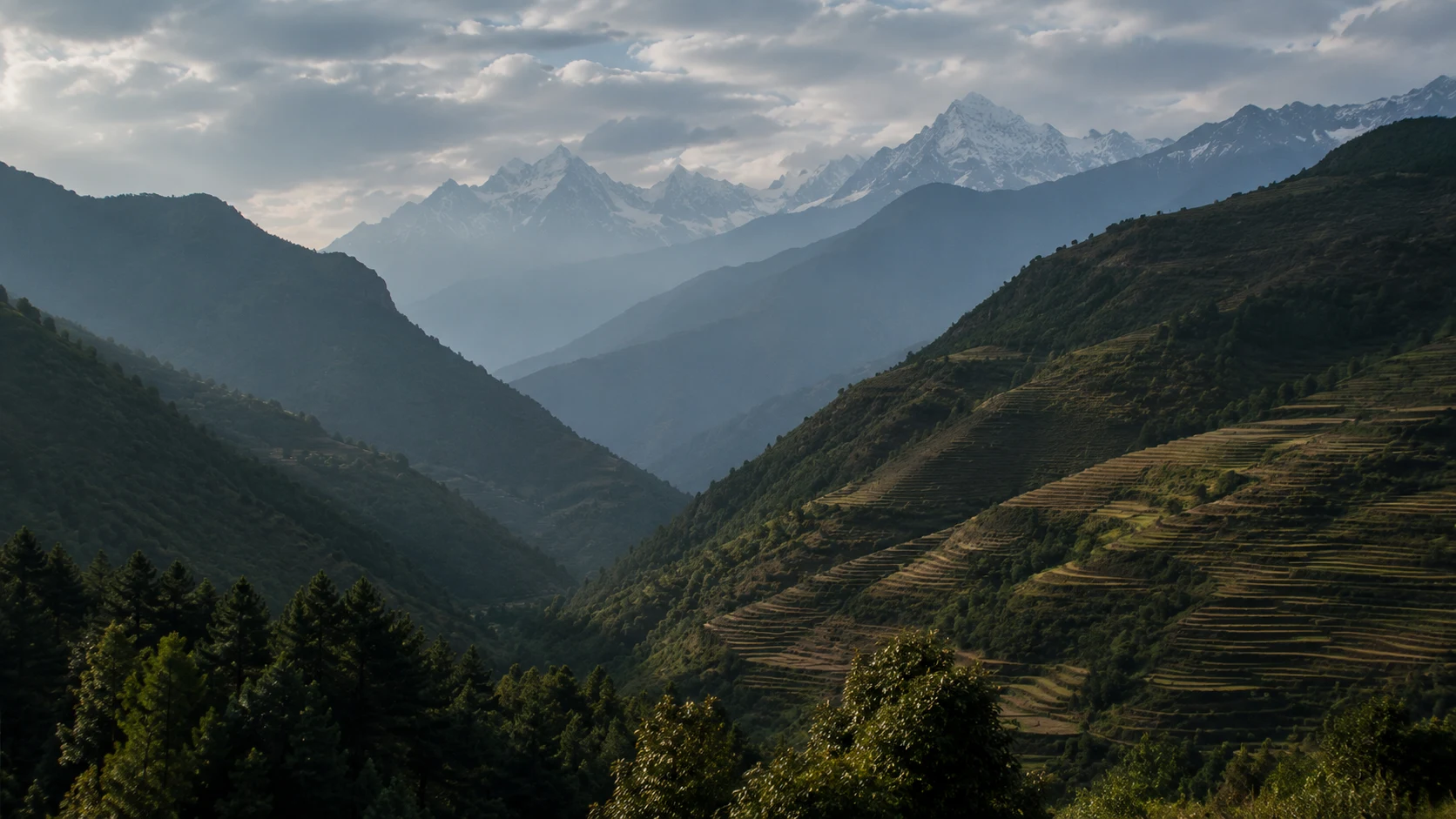
Nepal · Himalayan Highlands
Himalayan
Sidr Honey
عسل السدر النيبالي
Thick, caramel, and known first by how it tastes — not by which valley it came from.
Somewhere in the remote highland countryside of the Nepalese Himalayas, wild Sidr trees give a honey unlike its lowland Arabian relatives: thicker, sweeter in a different register, caramel through and through.
Terroir
The Nepalese Himalayas, honestly described
This honey comes from wild Ziziphus spina-christi trees in the remote highland countryside of Nepal’s Himalayas — country far less documented, honey-wise, than Yemen’s valleys or Oman’s mountains.
The Atlas would rather admit what it does not know precisely than invent a valley name to sound more authoritative. What can be said with confidence is simpler, and rests on taste rather than geography.
| Location | Himalayan highland countryside, Nepal |
| Tree | Sidr — Ziziphus spina-christi |
| Colour | Amber to golden brown |
| Texture | Notably thick and creamy |
| Character | Caramel-forward, floral, with a faint earthy depth |
“Some honeys prove themselves with a map. This one proves itself the moment it’s on your tongue.“
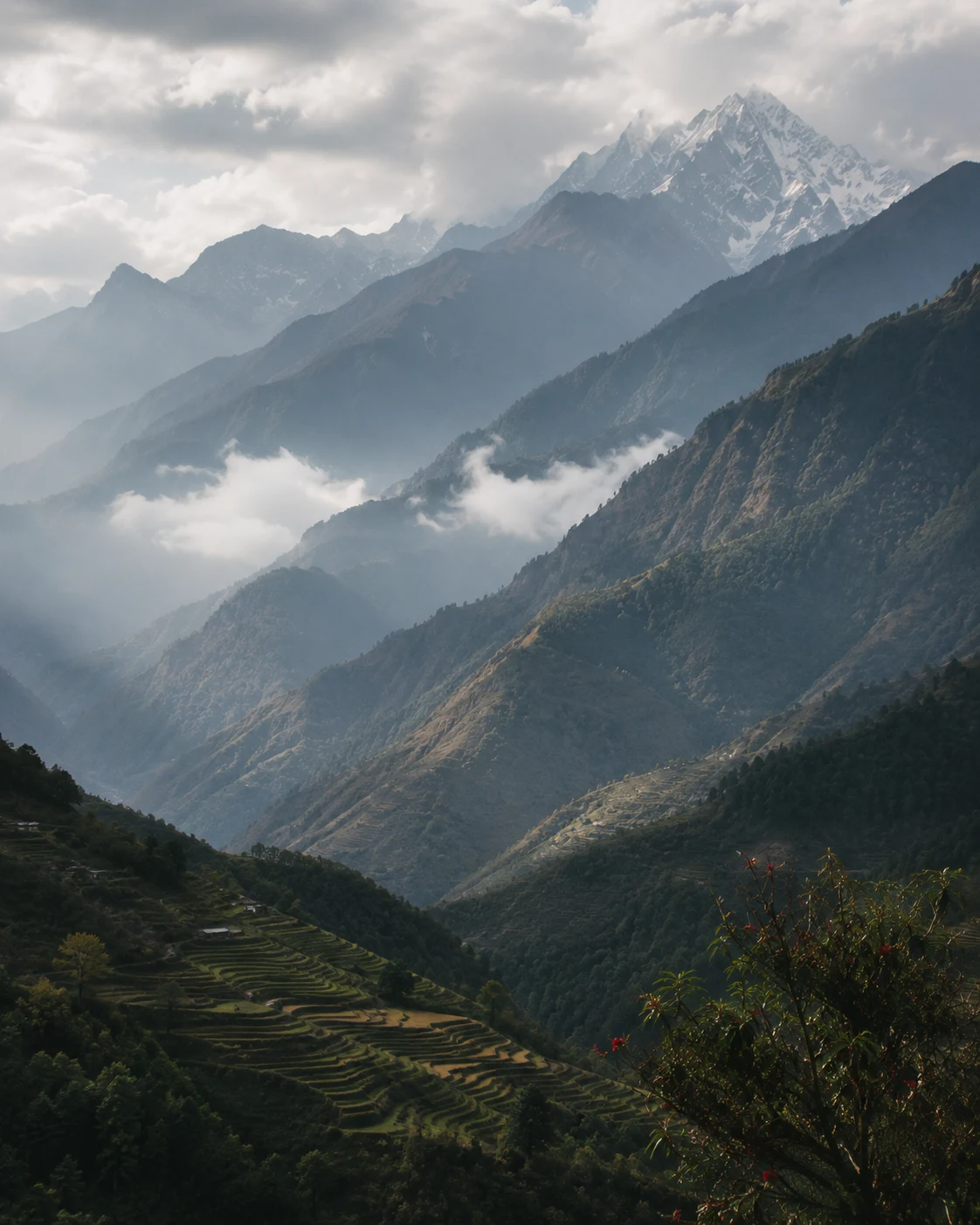 Himalayan highlands · Nepal
Tradition
Known by taste, before it is known by place
Most honeys in this Atlas earn their place through a documented terroir — a named valley, a centuries-old trade route, a beekeeper the House has visited in person. This one earns its place differently: through taste alone, recognised immediately by anyone who has tried it.
The Nepalese Himalayas hold wild Sidr in remote, little-documented highland country. What reaches the House is characterised less by a pinpointed valley than by what it does on the tongue — and that, unusually, is where this fiche chooses to begin.
Sensory reading
Thick, caramel, unmistakable
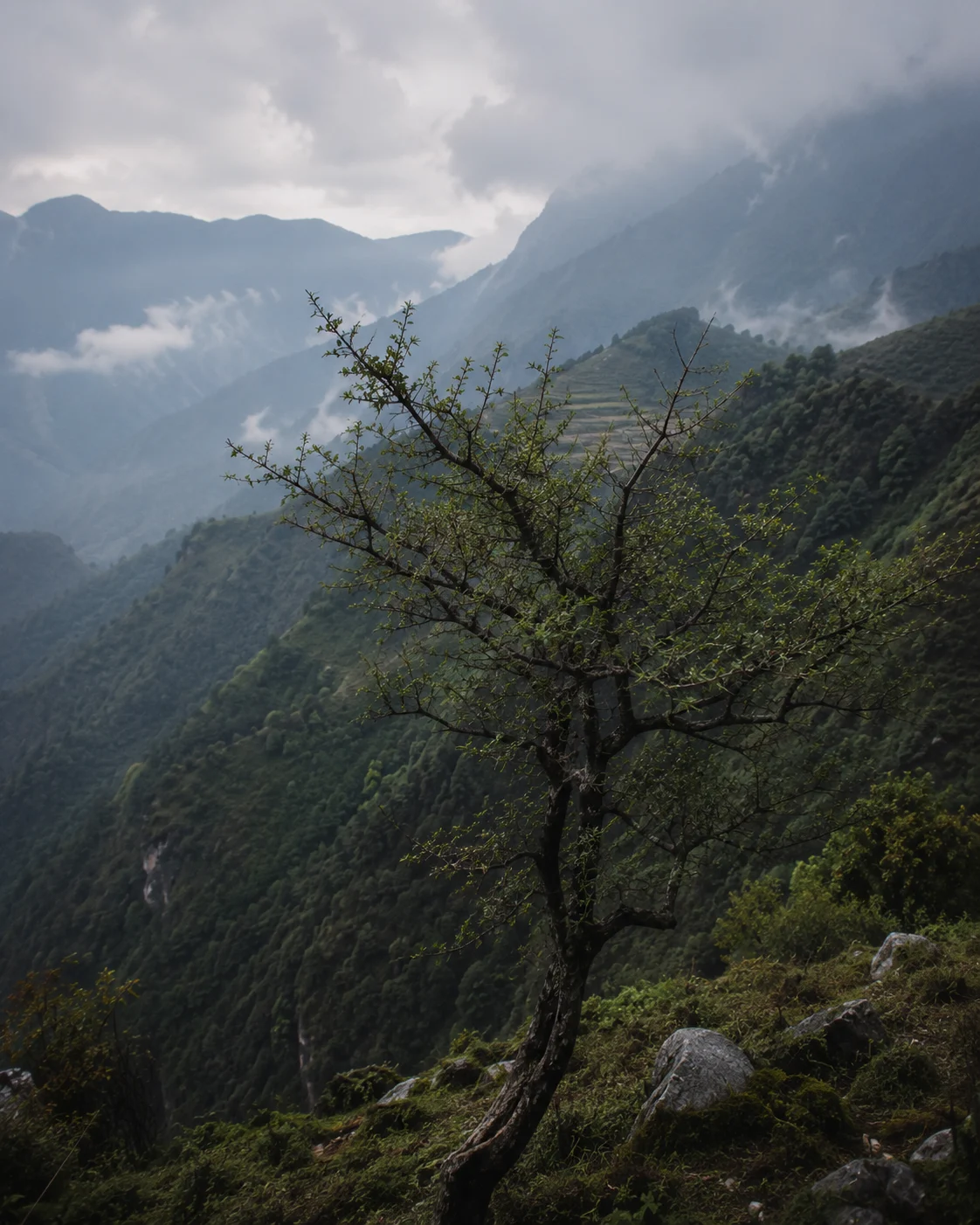 Himalayan highlands · Nepal
“Every jar here makes its own case, one spoonful at a time — no valley name required.”
— The House of Meski
Rarity
Rare because so little of it is documented at all
Where other origins in this Atlas can point to a named valley or a beekeeper visited in person, this one is rare partly because so little of its harvest has ever been formally traced — a genuinely wild, small-scale collection from remote highland country.
Why it cannot scale
Some origins are rare because the bloom is brief. This one is rare partly because almost no one has mapped it in detail yet.
Beekeeping
Wild collection, high in the Himalayas
Beekeeping in Nepal’s Himalayan highlands remains a small-scale, largely undocumented practice by international standards — honey gathered from wild Sidr stands rather than managed orchards or established apiary routes.
The practice
Extraction, where modern equipment reaches these highlands, follows the same standard practice as anywhere else — smoker, uncapping knife, extractor — raw and unheated.
Sensory reading
Thick, caramel, unmistakable
Texture
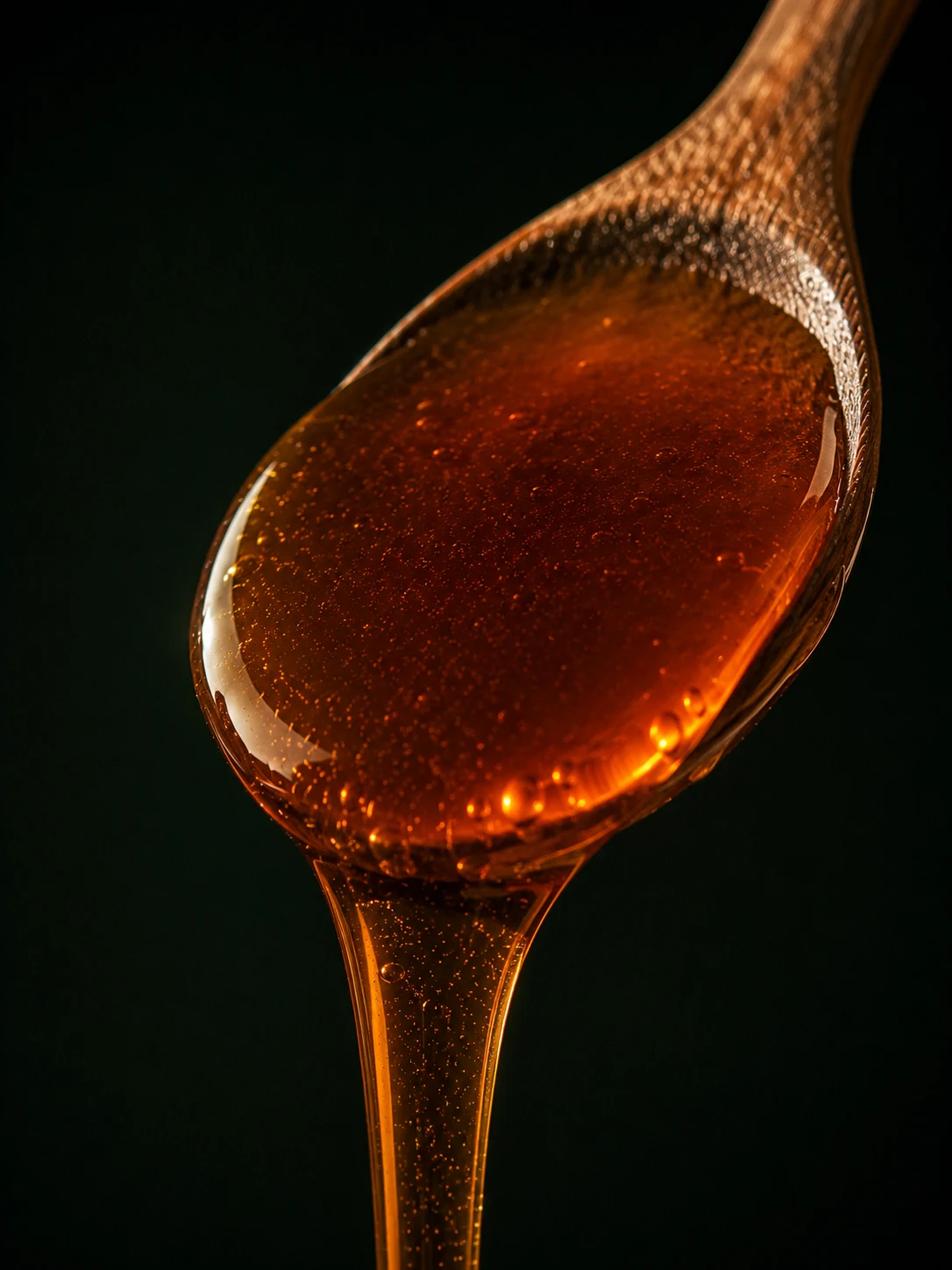
Notably thick and creamy — among the densest-bodied Sidr honeys in the Atlas, closer to set honey than to a typical fluid pour.
Harvest notebook
From the field — what little travels down from the highlands
Very little written record exists of exactly which highland valleys give this honey its character — a gap the Atlas would rather name honestly than paper over with invented detail.
What is certain is simpler and more immediate: a texture noticeably thicker than its Arabian relatives, and a caramel depth strong enough that tasters rarely need convincing twice.
It is, in its own way, a reminder that not every honey needs a documented valley to be worth including — sometimes the spoon has already made the case.
Pairings
How to serve it
Thick and caramel-forward — let it stand on its own more often than not.
Meski rating
An editorial reading, not a certification
Six criteria of the House, judged in tasting. This rating describes the appellation, is revised for each lot presented, and replaces no analysis or certificate.
Provenance
The Meski Confidence Chain
Rare honey is one of the most counterfeited foods in the world, and Sidr is no exception. Confidence does not come from a single certificate — it comes from a chain that stays continuous, from bloom to jar.
Read: How to read a rare honeyAnalysis describes the sample received by the laboratory. It does not automatically prove that every jar sold under the same name comes from that sample. A continuous chain does.
Continue the Atlas
An origin is never an island
Compare not to name a winner, but to understand what place, season and craft shift in the cup.